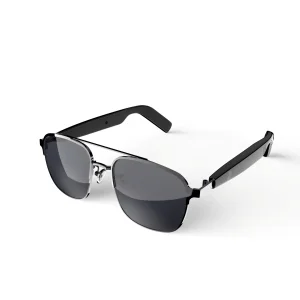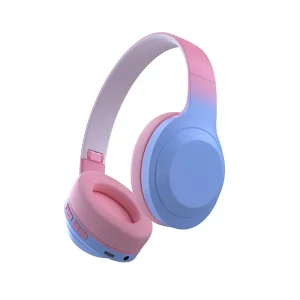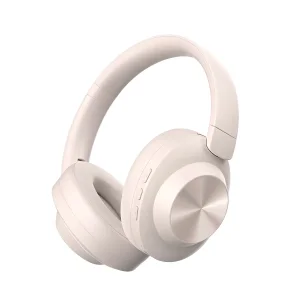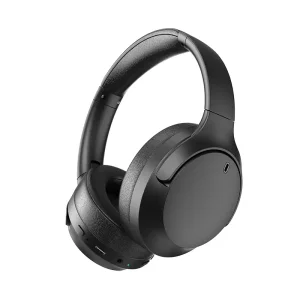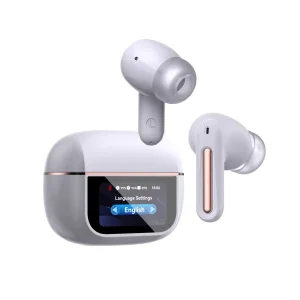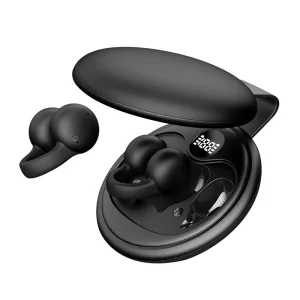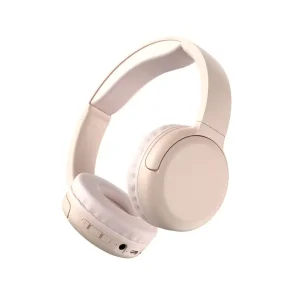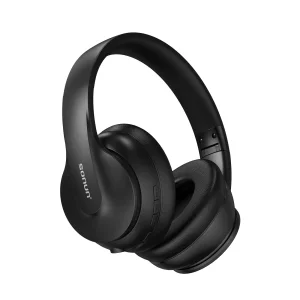
Explore direct factory-engineered wireless, ANC, low-latency, and customizable gaming acoustic solutions engineered for enterprise distributors and private label brand owners.
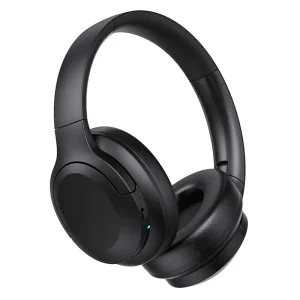
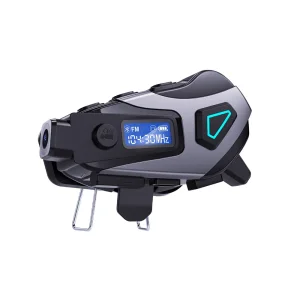
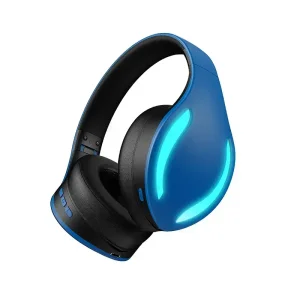
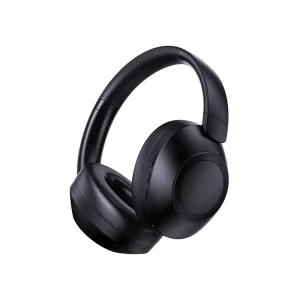
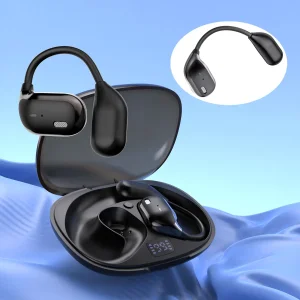
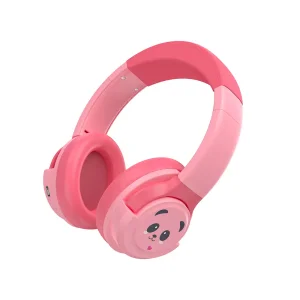
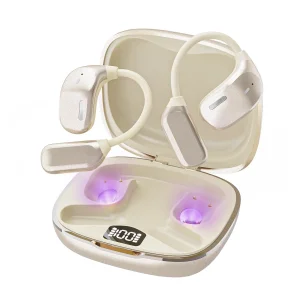
The global gaming peripheral market has transitioned from basic peripheral consumer goods into high-precision, low-latency electro-acoustic instruments. For international B2B procurement officers, brand owners, and consumer electronics distributors, identifying, evaluating, and partnering with the optimal manufacturing facility in China is a central strategic decision. China’s Pearl River Delta—specifically the industrial clusters around Shenzhen and Dongguan—accounts for over 70% of global OEM/ODM gaming audio production. However, navigating the landscape requires a rigorous framework that moves past simple price-per-unit metrics to evaluate dynamic electro-acoustic engineering capabilities, supply chain depth, compliance protocols, and intellectual property protection.
When global sourcing teams attempt to compare gaming headphone suppliers and factories in China, they encounter a wide spectrum of manufacturing maturity. Tier-1 original design manufacturers (ODMs) maintain fully integrated acoustic laboratories, automated SMT (Surface Mount Technology) assembly lines, and in-house tooling injection centers. Conversely, smaller assembly units often rely on subcontracted components, leading to unit-to-unit variation, unstable latency parameters, and elevated field-failure rates (RMA). This whitepaper establishes an authoritative benchmark for evaluating Chinese gaming headphone manufacturers, detailing technical roadmaps, procurement frameworks, acoustic testing methodologies, and long-term risk management.
Modern procurement intent in the gaming headset market extends beyond basic hardware assembly. B2B buyers across North America, Europe, and Asia-Pacific require suppliers capable of solving systemic electro-acoustic, ergonomic, and firmware challenges. Analyzing procurement queries reveals distinct buyer cohorts, each with distinct engineering priorities and commercial risk tolerances:
Esports brands and high-end hardware distributors demand dual-mode connectivity architectures combining Bluetooth 5.3/5.4 with proprietary 2.4GHz RF USB-A/USB-C dongles. Sourcing teams prioritize factories capable of tuning latency under 20 milliseconds to prevent audio-visual desynchronization in competitive First-Person Shooter (FPS) titles.
Private label retailers seek custom digital signal processing (DSP) solutions that support hardware-driven or software-suite spatial 7.1 surround sound. Procurement intent focuses heavily on suppliers providing turnkey SDKs, customizable EQ profiles, and localized companion software for Windows/Console ecosystems.
Commercial buyers require crystal-clear voice transmission. Factories are evaluated on their implementation of dual-microphone beamforming algorithms (ENC) managed by dedicated AI-DSP chipsets capable of isolating voice frequencies while attenuating mechanical keyboard chatter and background noise by up to 35dB.
When structuring a procurement agreement with Chinese audio manufacturers, enterprise brands must align their product development timeline and capital expenditure against the operational differences between Original Equipment Manufacturing (OEM) and Original Design Manufacturing (ODM).
| Evaluation Parameter | OEM Model (Existing Private Label Molds) | ODM Model (Custom Mechanical & Acoustic Engineering) |
|---|---|---|
| Time-to-Market | Rapid Deployment (30 - 45 Days Post-Sample Approval) | Extended Lifecycle (120 - 180 Days including Tooling & EVT/DVT) |
| NRE / Tooling Cost | Zero to Minimal (Capped at Custom Branding / Packaging Tooling) | Significant ($15,000 - $60,000+ for Custom Plastic & Acoustic Cavity Molds) |
| Acoustic Customization | Standard Cavity with Custom Driver & EQ Tuning Flexibility | Complete Architectural Freedom (Custom Diaphragm, Chamber Volume, Porting) |
| Minimum Order Quantity (MOQ) | Low to Moderate (1,000 – 2,000 Units per Colorway) | High Threshold (3,000 – 5,000 Units initial production batch) |
| IP Ownership | Factory retains structural IP; Buyer owns logo and brand assets | Buyer retains exclusive global design patents & utility rights |
For companies launching seasonal gaming gear or testing market demand, the OEM pathway leverages existing, pre-certified chassis while modifying internal components (e.g., upgrading from a 40mm Mylar driver to a 50mm Titanium-composite diaphragm and incorporating custom RGB lighting modes). For established tier-1 gaming brands, ODM partnerships provide exclusive spatial acoustic cavities, custom ergonomic headband suspension systems, and tailored firmware suites that build long-term brand equity.
Leading Chinese gaming headphone factories operate at the intersection of material science, radio-frequency (RF) engineering, and digital sound architecture. Evaluating a supplier's engineering capabilities requires reviewing their technical roadmap across four primary hardware vectors:
Transitioning from standard 40mm NdFeB (Neodymium) drivers to 50mm high-flux composite diaphragms (Titanium-plated PET/PEK). Premium cavities incorporate dual-chamber acoustic separation, isolating bass frequencies to prevent muddying midrange directional cues like enemy footsteps.
Advanced chipsets (e.g., PixArt, Realtek, Airoha) enable dual-mode concurrency. Gamers can connect via low-latency 2.4GHz RF to their PC or console while concurrently pairing Bluetooth 5.4 to a mobile device for incoming calls—all with automatic priority switching.
Addressing heat buildup during extended esports sessions. Factories are adopting hybrid ear cushion designs featuring breathable athletic fabric surfaces, high-density memory foam bases, and internal cooling-gel layers that reduce contact temperature by 2°C to 3°C.
Understanding the geographical distribution and vertical integration of Chinese headphone suppliers is essential for efficient risk management. Sourcing teams typically categorize suppliers into three distinct operational tiers:
Located predominantly in Shenzhen (Longhua, Bao'an) and Dongguan. These suppliers control SMT patch lines, plastic injection molding, tooling fabrication, cable extrusion, and final assembly. They feature full acoustic labs equipped with SoundCheck, AP (Audio Precision) analyzers, and fully anechoic test chambers. Ideal for high-volume enterprise brands requiring tight quality control.
Focus on assembly, final testing, and custom branding packaging. They source drivers, PCBA boards, and plastic shells from nearby supply chain partners. These factories offer greater flexibility with lower MOQs and faster customization cycles for mid-market brands and regional e-commerce sellers.
Intermediary outfits that lack dedicated engineering staff or certified test facilities. Purchasing through Tier-3 entities often leads to extended communication loops, inconsistent component swapping between production batches, and compliance verification challenges.
Achieving product reliability across multi-thousand unit shipments requires rigorous manufacturing quality control. Prior to issuing a purchase order, sourcing teams must inspect a factory's quality management system (QMS) and compliance certifications to ensure seamless importation into target destinations:
A reliable factory executes 100% inline acoustic sweeps (testing THD, frequency response curve, phase desynchronization) alongside accelerated lifecycle stress testing:
- Headband Flex Fatigue Test (>10,000 cycles)
- Cable Strain Relief Pull Testing (>50N force)
- Drop Impact Testing (1.2m onto concrete)
- Microphone Boom Arm Torsional Endurance
Ensure product compliance with regulatory standards for target markets to prevent port customs seizures or marketplace removal:
- North America: FCC ID (Wireless RF), California Prop 65
- European Union: CE-RED, RoHS 2.0, REACH, WEEE Directive
- Battery Safety: UN38.3, MSDS, IEC 62133 cell certification
- Social Audits: BSCI, ISO 9001:2015, ISO 14001
Protecting custom tooling designs and proprietary firmware requires a robust legal framework. Enterprise buyers must execute a China-enforceable Non-Disclosure, Non-Use, Non-Circumvention (NNN) agreement governed by Chinese courts prior to sharing CAD files or gerber schematics.
Critical answers to key questions asked by hardware brand buyers, supply chain managers, and OEM/ODM sourcing teams:
For standard OEM modifications (e.g., silk-screen logo placement, custom headband colorways, and custom gift box printing on existing tooling molds), standard factory MOQs range from 1,000 to 2,000 units. For full ODM projects involving custom plastic injection molds, proprietary acoustic cavities, and bespoke PCB layouts, MOQs typically start at 3,000 to 5,000 units to amortize tooling setup costs.
Achieving ultra-low latency requires combining hardware, RF protocol tuning, and customized chipsets (such as PixArt, Realtek, or Nordic semiconductor platforms). The factory programs proprietary 2.4GHz RF firmware into both the headset mainboard and the USB dongle, bypassing standard Bluetooth stack delays and compressing audio via low-complexity codecs (LC3 or custom sub-band codecs).
Once a golden sample is signed off and deposit funds are cleared: Initial OEM mass production requires 35 to 45 days (accounting for custom packaging printing and component procurement). Repeat production orders can often be compressed to 25 to 30 days. Full ODM projects require 90 to 120 days for tooling creation, EVT (Engineering Validation Test), DVT (Design Validation Test), and final regulatory compliance testing.
Preventing acoustic variation requires establishing a strict Acceptable Quality Limit (AQL 0.65 Critical / 1.5 Major) anchored by a signed Golden Sample. The factory must run automated SoundCheck or Audio Precision (AP) test routines on 100% of driver units before acoustic cavity sealing, ensuring frequency response curves remain within a narrow ±1.5dB corridor against the target baseline.
Yes. Tier-1 and specialized Tier-2 manufacturers maintain dedicated software engineering teams or work directly with audio middleware providers (such as C-Media or Xear). They can deliver fully customized Windows installer packages, white-labeled control panels featuring custom GUI graphics, multi-band graphic EQs, mic noise gate controls, and virtualized spatial sound drivers.
Standard payment terms are 30% T/T deposit upon purchase order issuance, with the remaining 70% balance payable following pre-shipment inspection (PSI) approval. Enterprise buyers frequently retain third-party audit agencies (such as SGS, Bureau Veritas, or TÜV Rheinland) or conduct direct ISO/BSCI factory audits prior to releasing final production payments.
Review our second production matrix featuring air conduction, active noise cancelling, open-ear sports, and specialized volume-limiting kids audio hardware for private label deployment.