
Precision-Engineered OEM/ODM Headphones
Explore top-tier acoustic hardware ready for private-label customization, featuring advanced Bluetooth 5.4, active noise cancellation, and specialized ergonomics.
The Shift in China's Wireless Audio Manufacturing Paradigm
China produces over 80% of the world's wireless headphones. The ecosystem in Shenzhen, Dongguan, and the Greater Bay Area has transformed from simple contract manufacturing into high-precision electro-acoustic engineering hubs.
From Low-Cost Assembly to High-Gain Electro-Acoustic OEM/ODM Partnerships
Global procurement teams searching for decent wireless headphones manufacturers and suppliers in China no longer focus strictly on unit cost. The modern audio market demands comprehensive technological competence: multi-chipset integration (Qualcomm, Airoha, Bestechnic, Realtek), dynamic active noise cancellation algorithms (Hybrid FF+FB ANC), acoustic diaphragm innovation (Titanium dome, Graphene, PET membranes), and strict compliance certification (CE, FCC, RoHS, REACH, Prop 65).
Shenzhen's supply chain advantage stems from vertical integration. Within a 30-kilometer radius, top-tier audio manufacturing clusters combine tooling, SMT (Surface Mount Technology), acoustic tuning laboratories equipped with SoundCheck and AP (Audio Precision) testing systems, silicone molding, and final automated assembly. This concentration shortens product development cycles from 12 months down to 45–60 days for complex ODM projects.
Defining "Decent" Audio Hardware: Technical Benchmarks
What elevates a wireless headphone from a standard commodity to a high-margin, enterprise-ready commercial product? Below is the technical matrix defining modern quality standards.
Acoustic Architecture
40mm/50mm high-magnetic neodymium dynamic drivers coupled with composite titanium diaphragms, delivering wide frequency response (20Hz–40kHz) and Total Harmonic Distortion (THD) < 0.1% @ 1kHz.
Hybrid Active Noise Cancellation
Multi-microphone feedforward and feedback ANC digital signal processing (DSP) capable of suppressing ambient background noise up to -45dB across low and mid-range frequencies.
Bluetooth 5.4 & LE Audio
Integration of modern wireless protocols featuring LC3 audio codecs, Auracast broadcast support, ultra-low RF power consumption, dual-device multipoint seamless switching, and enhanced stability.
Battery Safety & PMIC Integrity
Grade-A lithium polymer battery packs with built-in NTC thermal protection, independent power management ICs (PMIC), short-circuit prevention, and UN38.3/MSDS safety certification.
Comparing OEM/ODM Specifications Across Categories
To help sourcing managers make informed comparisons, the table below outlines typical hardware parameters maintained by leading Chinese original design manufacturers:
| Headphone Category | Chipset Architecture | Battery Capacity & Endurance | Acoustic / Special Feature | Target Sourcing Channel |
|---|---|---|---|---|
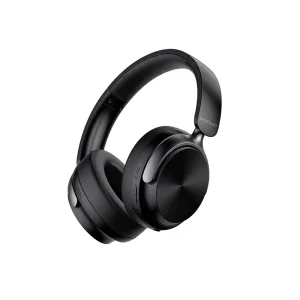
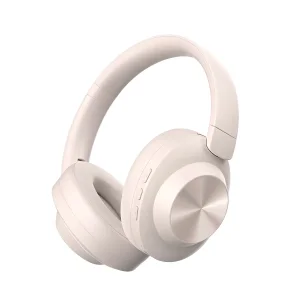
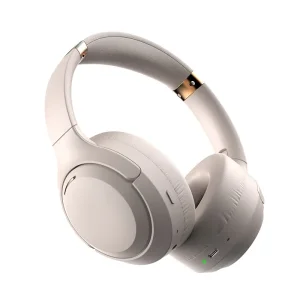
| Hybrid ANC Over-Ear | Bestechnic BES2600 / Qualcomm QCC3056 | 600mAh–800mAh (45–70 Hours) | Hybrid ANC (-42dB to -48dB), Transparency Mode | Mid-to-High Retail Brands, Premium Private Label |
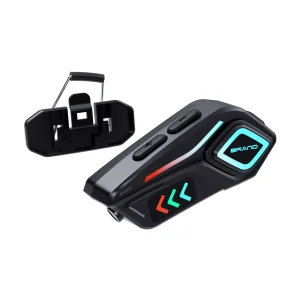
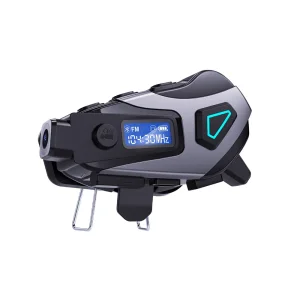
| Cycling & Helmet Audio | Actions ATS2835 / Jerry BT5.4 Solution | 300mAh–500mAh (20–30 Hours) | CVC 8.0 Wind-Noise Suppression, FM Radio, IPX6 | Outdoor Gear Importers, Sports Equipment Brands |
| OWS Open-Ear / Air Conduction | Airoha AB1562M / JL AC7006 | 70mAh Earbud / 500mAh Case (30 Hours) | Directional Sound Transmission, Zero Eardrum Pressure | Fitness Tech Brands, Active Lifestyle Distributors |
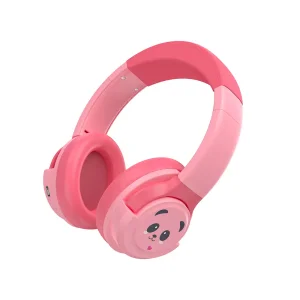
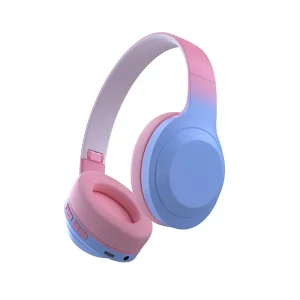
| Pediatric / Kids Headphones | JL Bluetooth 5.3 Low Energy | 400mAh (40–60 Hours) | Safe Volume Limit (85dB/94dB), Food-Grade Materials | Educational Suppliers, Retail Chains, E-commerce |
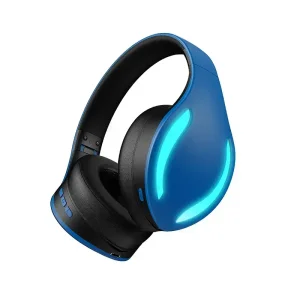
| Low-Latency Gaming Headsets | Telink / Realtek Dual-Mode 2.4GHz + BT | 1000mAh (30–50 Hours with RGB) | <20ms Latency Dongle, 7.1 Virtual Surround Sound | Gaming Hardware Brands, Esports Gear Wholesalers |
Why Source Wireless Headphones from Chinese Factories?
China's headphone manufacturing sector combines structural agility, massive scale, and end-to-end engineering excellence.
In-House Injection Molding & Tooling
Direct control over mold fabrication reduces development friction. Modern facilities operate CNC machining centers and precision injection workshops to guarantee tight structural tolerances.
Strict Quality Control (IQC to OQC)
Full-spectrum quality management covering Incoming Quality Control (IQC), In-Process Quality Control (IPQC), Final Quality Control (FQC), and Outgoing Quality Control (OQC) to meet AQL 1.0/2.5 standards.
International Certification Readiness
Pre-tested acoustic models ready for immediate CE, FCC, RoHS, REACH, BQB (Bluetooth SIG), CP65, and KC certification, significantly shortening compliance lead times for Western markets.
Custom OEM/ODM Flexibility
From silk-screen brand logos and custom colorways to customized firmware voice prompts, custom giftbox packaging, and complete mechanical housing engineering.
Structural Cost Efficiency & Scalability Dynamics
The core commercial advantage of sourcing from an established Chinese manufacturer lies in component-level economies of scale. Raw materials—such as copper voice coils, neodymium magnets, Bluetooth IC wafers, and PCBA substrates—are purchased in bulk across millions of units annually.
This allows Chinese manufacturers to offer high-end technological features (such as Environmental Noise Cancellation ENC, touch-control ICs, and long-life batteries) at fraction of the cost associated with non-integrated supply bases. Furthermore, mature factories employ dedicated engineering teams skilled in DFM (Design for Manufacturability), ensuring that complex acoustic designs transition into mass production with minimal yield loss.
Tailored Audio Hardware for Target Application Scenarios
Wireless headphones are no longer generic accessories; they are specialized tools designed for specific user intent and operating environments.
1. Outdoor Cycling & Micro-Mobility Integration
The Challenge: High wind noise speeds (up to 40–60 km/h) obscure audio clarity, while standard earbuds pose safety risks by blocking ambient traffic sounds.
The Factory Solution: Bluetooth 5.4 helmet-mounted audio systems featuring specialized wind-resistant boom microphones, external tactile buttons designed for gloved operation, high-efficiency CVC noise isolation, integrated FM radio tuners, and dynamic voice assistant access.
2. Pediatric & Classroom Educational Audio
The Challenge: Children require durable, drop-resistant audio gear that strictly limits volume levels to prevent noise-induced hearing loss (NIHL).
The Factory Solution: Over-ear kids wireless headphones equipped with dual hardware volume limits (85dB for standard listening; 94dB for noisy travel), food-grade hypoallergenic plastics, flexible twistable headbands, and 60+ hour extended battery life to minimize recharging cycles.
3. High-Performance Sports & Fitness (OWS/Air Conduction)
The Challenge: Intensive workouts generate sweat and require situational awareness without sacrificing bass response or ear comfort.
The Factory Solution: Open-ear (OWS) air-conduction audio solutions using directional sound wave technology to minimize sound leakage, IPX7 sweat-proof nanocoatings, ergonomic memory-silicone ear hooks, and touch controls.
4. Enterprise Work & Remote Communication
The Challenge: Hybrid workers need crystal-clear voice transmission and background noise reduction during video conference calls.
The Factory Solution: Over-ear headphones integrated with multi-microphone ENC beamforming arrays, rapid mute controls, memory foam ear cushions for all-day wearing comfort, and seamless multi-device Bluetooth multipoint pairing.
Global Enterprise Sourcing & Procurement Roadmap
A step-by-step guide for international buyers, brand owners, and procurement directors to evaluate, sample, and order private-label wireless headphones from China.
Step 1: Technical RFQ Specification
Define core parameters: target price bracket, desired Bluetooth chipset (e.g., JL, Airoha, Qualcomm), ANC depth requirement (-30dB vs -45dB), driver size, battery capacity, target market certifications, and annual order volume forecast.
Step 2: Golden Sample Evaluation
Request factory samples to evaluate acoustic performance on AP analyzers, structural finish, button response, Bluetooth pairing stability, ANC effectiveness in real environments, and packaging mockups.
Step 3: Tooling & Artwork Sign-Off
Finalize CMF (Color, Material, Finish) specifications, silk-screen vector graphics, customized Bluetooth pairing name, localized user manuals, and inner/outer carton packaging designs before mass production approval.
Step 4: Pilot Run & Mass Production
Execute a initial pilot run (500–1,000 units) to verify production line assembly efficiency, component fit consistency, and yield rates before committing to full-scale mass production (5,000–50,000+ units).
Step 5: Pre-Shipment Inspection (PSI) & Logistics
Conduct third-party or in-house quality inspections (SGS, TÜV, Intertek) based on AQL Level II standards covering visual appearance, function testing, RF transmission, drop tests, and battery safety compliance prior to shipment loading.
Comprehensive Private-Label Audio Catalog
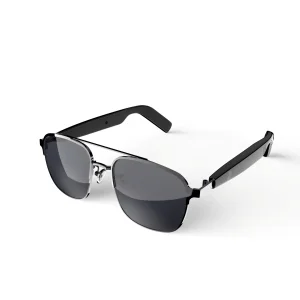
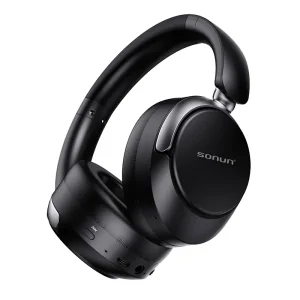
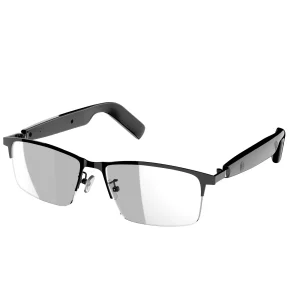
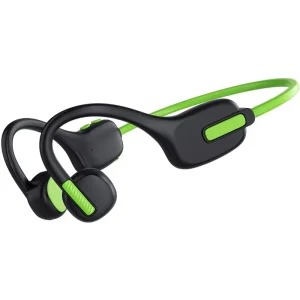
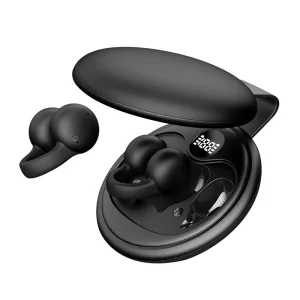
From air conduction open-ear models to heavy bass wireless headsets, discover fully customizable audio solutions designed for global distribution.
Innovations Shaping the Future of Wireless Audio (2025–2030)
Stay ahead of the competition by incorporating next-generation audio technologies into your upcoming product roadmaps.
1. On-Device Edge AI & Dynamic Spatial Audio
Next-gen Bluetooth chipsets integrate dedicated NPU (Neural Processing Unit) cores capable of running edge-AI voice isolation algorithms, real-time head-tracking spatial audio rendering, and personalized hearing profile calibrations directly on the earbud PCBA.
2. Auracast™ Broadcast Audio Ecosystem
Bluetooth LE Audio and Auracast are revolutionizing shared audio experiences in public spaces (airports, gyms, museums). Forward-looking Chinese OEM factories are already incorporating LC3-capable chipsets into standard product lines.
3. Touchscreen Smart Charging Cases
Incorporating full-color OLED touch panels into earbud charging cases enables users to adjust noise cancellation modes, tweak EQ settings, track battery status, and receive smartphone notifications without opening an app.
4. Sustainable Materials & Eco-Acoustics
European and North American regulatory mandates are driving demand for post-consumer recycled (PCR) plastics, bio-degradable ear cushion foams, and plastic-free soy-ink retail packaging solutions across mass audio production.
Frequently Asked Questions for Global Procurement
Detailed technical and commercial answers to simplify your sourcing workflow with Chinese headphone manufacturers.