
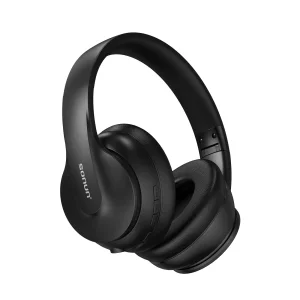
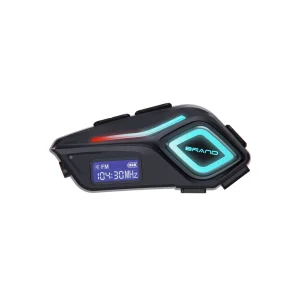
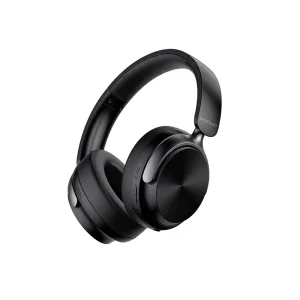
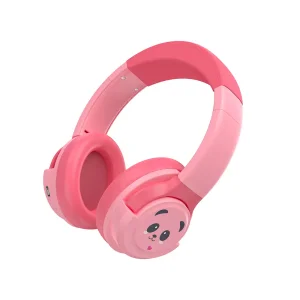
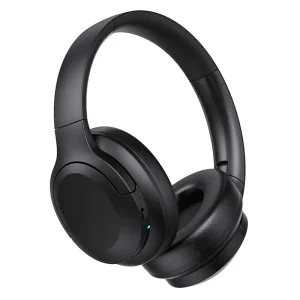
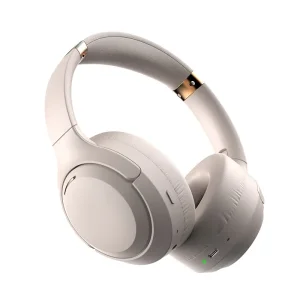
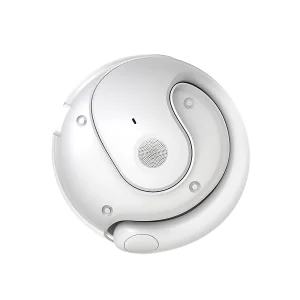
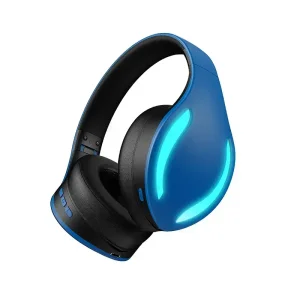
Featured OEM/ODM Headphone Catalog (Batch 01)

1. Global Enterprise Sourcing & Macro Procurement Landscape
The global gaming peripherals sector is experiencing a paradigm shift. True Wireless Stereo (TWS) gaming earbuds are rapidly supplanting traditional bulky over-ear headsets among mobile esports competitors and casual gamers alike. Driven by improvements in low-latency RF protocols, high-efficiency system-on-chips (SoCs), and sophisticated acoustic driver materials, enterprise buyers—including consumer electronics brands, esports hardware distributors, and gaming accessory retailers—are scaling up orders from specialized manufacturing clusters in China.
Sourcing gaming earbuds directly from original equipment manufacturers (OEMs) and original design manufacturers (ODMs) in China requires navigating complex technical parameter trade-offs. B2B procurement decisions go far beyond unit prices; they demand deep scrutiny of micro-latency benchmarks, battery chemistry safety, RF stability, passive vs. active noise cancellation performance, and component-level bill of materials (BOM) transparency.
Micro-Latency Protocol Requirements
Standard Bluetooth A2DP audio carries latencies ranging from 150ms to 220ms, which is unacceptable for competitive gaming where audio-visual synchronization must remain under 30ms. Modern OEM suppliers integrate custom 2.4GHz proprietary RF dongles using LC3 codecs to achieve sub-15ms ultra-low latency profiles for PC, console, and mobile setups.
Dual-Engine Transceiver Architecture
Enterprise procurement specifications increasingly request seamless switching between Bluetooth 5.4 LE Audio and ultra-wideband 2.4GHz wireless dongles. This hybrid architecture ensures zero-lag performance while maintaining universal compatibility across iOS, Android, Steam Deck, PlayStation 5, and Windows platforms.
Acoustic Tuning & Directional Imaging
Gaming earbud dynamic drivers require specialized diaphragm material formulations—such as Liquid Crystal Polymer (LCP) or Beryllium-coated composites—to boost high-frequency positional accuracy. Accurate footstep rendering and spatial audio positioning give players a distinct competitive edge.
2. Macro-Industry Solutions & China Supply Chain Ecosystem
China's Pearl River Delta—specifically the Shenzhen, Dongguan, and Huizhou industrial corridors—remains the epicenter of global audio manufacturing. Understanding how Chinese suppliers structure their supply chain, manage sub-tier component vendors, and execute quality engineering (QE) protocols is essential for international buyers aiming to secure optimal unit economics without compromising product structural integrity or acoustics.
The Vertically Integrated Supply Chain Advantage
Leading Chinese earbud gaming headset factories maintain end-to-end control over critical assembly workflows:
- Tooling & Injection Molding: In-house CNC high-precision mold fabrication for ergonomically styled earbud housings, RGB light-guide diffusers, and ultra-compact charging cases.
- SMT Surface Mount Lines: Automated high-speed Placement Machines assembling multi-layer PCBs with complex RF antenna trace topologies and power management ICs (PMICs).
- Acoustic Testing Chambers: Anechoic test boxes utilizing SoundCheck or Audio Precision (APx555) analyzers to measure Frequency Response Curves, Total Harmonic Distortion (THD), and Noise Reduction Ratings (NRR).
- Automated Battery Assembly: Strict spot-welding and safety-circuit board integration for micro-button lithium batteries featuring UN38.3 protection modules.
Component-Level Bill of Materials (BOM) Breakdown
To evaluate pricelists accurately, enterprise buyers must analyze the structural cost drivers that make up a premium low-latency gaming earbud:
| Component Group | Standard Specification | Premium Enterprise Tier |
|---|---|---|
| Main Bluetooth SoC | JL / ATS Series | Qualcomm QCC / Airoha / PixArt |
| Dynamic Driver | 10mm PET Diaphragm | 12mm LCP + DLC Composite |
| Microphone Setup | Single ECM Microphone | Dual MEMS + DNN ENC Algorithm |
| Latency Architecture | SBC/AAC Software Mode | 2.4GHz Dongle + LC3 Hardware |
| Earbud Battery | 30 mAh Soft-Pack Lithium | 45-55 mAh Micro Button Cell |
3. Technical Roadmap & Engineering Specifications
Building high-margin gaming earbuds requires a engineering roadmap aligned with next-generation gaming hardware. As competitive mobile games migrate to higher refresh rates and cross-platform multiplayer models, wireless audio hardware must keep pace across four key performance pillars:
RF Signal Stability & Antenna Design
Gaming environments are often polluted by 2.4GHz Wi-Fi congestion. Modern Chinese supplier designs integrate 3D Laser Direct Structuring (LDS) or Flexible Printed Circuit (FPC) antennas, achieving radiation efficiency above 65% and eliminating packet-loss audio drops during critical gameplay sessions.
ENC Environmental Noise Cancellation
In noisy tournaments or gaming cafes, clear team communication is vital. Modern gaming earbuds utilize dual-microphone beamforming arrays combined with Deep Neural Network (DNN) voice extraction algorithms. This isolates human speech from ambient background noise by up to 35dB.
3D Spatial Audio & Dynamic EQ Profiles
Hardware-level spatial audio processing maps multi-channel 5.1 or 7.1 surround sound signals directly into binaural earbud drivers. Custom DSP firmware allows users to toggle between "FPS Mode" (boosted footstep frequencies), "MOBA Mode" (enhanced vocal clarity), and "Music Mode".
Deep-Dive Architecture Matrix: Standard vs. Next-Gen Gaming Earbuds
| Performance Metric | Legacy Bluetooth Earbuds | Mid-Tier Gaming Earbuds | Enterprise Flagship Dual-Mode |
|---|---|---|---|
| Latency Profile | 180 ms - 250 ms | 45 ms - 60 ms (Gaming Mode) | 12 ms - 20 ms (2.4G Dongle) |
| Wireless Protocol | Bluetooth 5.0 / 5.2 | Bluetooth 5.3 Low Latency | Bluetooth 5.4 LE Audio + 2.4GHz RF |
| Microphone System | Single Omnidirectional ECM | Dual Mic ENC (Hardware) | Quad-Mic Array + AI DNN Algorithm |
| Playtime per Charge | 3.5 - 4.5 Hours | 5.5 - 7.0 Hours | 8.0 - 10.0 Hours (Case extends to 40H) |
| Charging Interface | Micro-USB / Standard Type-C | Type-C Fast Charge | Type-C Wireless Qi + Fast Charge (10m = 2H) |
| Target Target Price FOB | $3.50 - $6.50 USD | $8.50 - $14.50 USD | $18.00 - $32.00 USD |
4. Manufacturing Quality Assurance & Compliance Standards
Exporting wireless audio hardware across North America, the European Union, Japan, and Southeast Asia requires strict adherence to international regulatory certifications and environmental standards. Reputable Chinese suppliers maintain dedicated regulatory compliance teams to streamline overseas customs clearance and protect brand owners from legal liabilities.
International Regulatory Approvals
Commercial shipments must hold certified test reports from accredited bodies (SGS, Intertek, TUV):
- FCC ID (USA): Mandatory RF emission testing under Title 47 CFR Part 15.
- CE RED (Europe): Radio Equipment Directive 2014/53/EU compliance covering EMC and RF health.
- Telec / MIC (Japan): Technical Regulations Conformity Certification for 2.4GHz bands.
- SRRC (China): State Radio Regulatory Commission approval for domestic distribution.
Material & Safety Compliance
Ensuring eco-friendly components and user safety through complete material tracing:
- RoHS Directive 2011/65/EU: Lead, cadmium, and mercury content restriction in soldering pastes.
- REACH SVHC: Testing for hazardous chemical substances in eartips and plastic housings.
- UN38.3 & MSDS: Air transportation safety certification for lithium-ion polymer batteries.
- IEC/EN 62368-1: Audio/video equipment safety standards preventing thermal runaway.
Factory Inspection & Stress Testing
Prior to mass production dispatch, factories run rigorous stress cycles to ensure field durability:
- Hinge & Lid Fatigue Testing: 10,000+ continuous charging case open/close cycles.
- Salt Spray & Sweat Resistance: 48-hour corrosion chamber testing for charge pins.
- Drop & Impact Resistance: 1.2-meter free-fall testing onto hard concrete surfaces.
- Thermal Shock Storage: High/low storage endurance ranging from -20°C to +65°C.
5. Enterprise B2B Pricelist Benchmarks & Tiered Cost Matrix
Navigating factory quotes requires understanding how Minimum Order Quantities (MOQs), custom branding, private molds, and packaging choices impact FOB (Free On Board) Shenzhen unit pricing. Below is an authoritative wholesale cost reference guide for corporate buyers structuring RFQs.
| Tier Category | Target MOQ | Estimated Unit FOB ($ USD) | Customization Scope | Development Lead Time |
|---|---|---|---|---|
| White-Label Ready Stock | 500 - 1,000 Pcs | $5.50 - $9.00 | Laser-engraved logo, custom outer sleeve packaging | 7 - 10 Days |
| Standard OEM Customization | 2,000 - 3,000 Pcs | $9.50 - $16.00 | Custom housing colors (Pantone matching), custom Bluetooth pairing name, tuned EQ audio profile, custom gift box | 20 - 25 Days |
| Advanced ODM (Private Mold) | 10,000+ Pcs | $14.00 - $28.00 | Exclusive ergonomic housing tooling, custom PCB layout, dedicated companion smartphone App integration, custom RGB lighting profiles | 60 - 90 Days (Including tooling stage) |
Sourcing Insights: Hidden Cost Drivers in Gaming Earbud Procurement
When requesting quotations from Chinese suppliers, ensure your Request for Quotation (RFQ) specifies exact parameters. Omitted requirements can lead to post-order price adjustments:
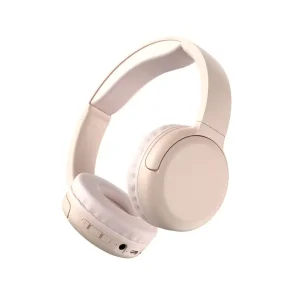
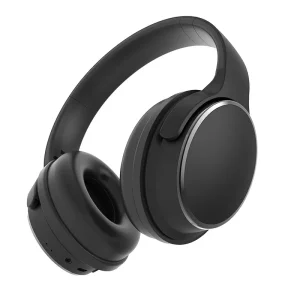
Featured OEM/ODM Headphone Catalog (Batch 02)

6. Enterprise Sourcing FAQ: Frequently Asked Questions
Comprehensive technical and commercial answers tailored for hardware product managers, procurement officers, and consumer electronics brand buyers evaluating Chinese earbud suppliers.