Precision-Printed Audio Hardware Solutions
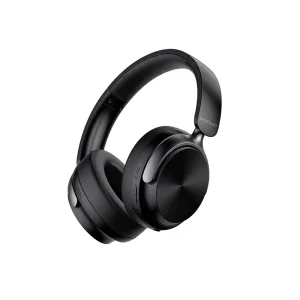
Explore our foundational headphone and earbud models, pre-engineered for custom brand logo application, specialized pad printing, hydrophobic nano-coatings, and bespoke surface finishes.
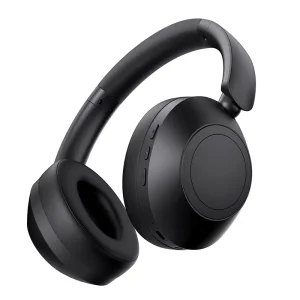
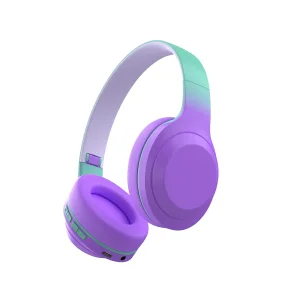
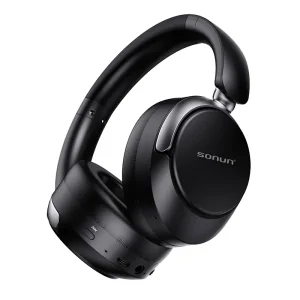
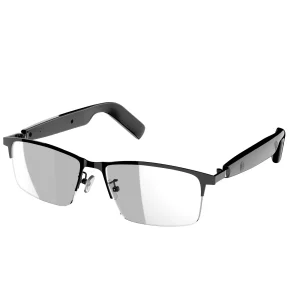
The State of China's Earbuds Printing & Customization Ecosystem
In the highly competitive consumer audio market, surface aesthetic execution, branding durability, and tactile engineering are critical differentiators for True Wireless Stereo (TWS), Open Wearable Stereo (OWS), and Active Noise Cancelling (ANC) audio gear. Sourcing custom-printed earbuds from China has evolved from basic silk-screen stamping to high-precision micro-injection, laser-etching, and UV-curable polymer printing.
Shenzhen Sonun Technology Co., Ltd., established in 2006, operates at the epicenter of Shenzhen’s acoustic manufacturing ecosystem. Understanding the interplay between substrate polymers (ABS, PC, TPU, liquid silicone) and graphic printing technologies is essential for brand managers seeking competitive quotes, low defect rates, and rapid scalability.
Material Biocompatibility
Direct skin contact requires non-toxic, ISO 10993-compliant organic inks. Solvents must vaporize completely during UV curing to prevent dermal irritation during extended wear.
Curvature & Micro-Surface Execution
TWS earbud stem geometries present complex multi-axis contours. Precision silicone pads must deform uniformly without distorting vector logos or text typography down to 4pt font sizes.
Acoustic & RF Shielding Preservation
Surface treatments cannot obstruct capacitive touch control nodes, active microphone porting, or attenuate Bluetooth 5.4 antenna RF radiation through metallic conductive inks.
Technical Roadmap: Earbud Surface Printing Technologies
Selecting the optimal printing methodology dictates unit pricing, minimum order quantities (MOQ), mold cycle times, and structural resilience. Below is an engineering evaluation of the primary industrial printing methods deployed at Sonun Technology.
| Printing Technology | Ideal Substrate & Geometry | Color Capability | Durability Rating | Cost Driver & Quote Impact |
|---|---|---|---|---|
| Tampo Pad Printing | Curved ABS/PC Plastic Earbud Stems | 1-4 Solid Colors (Pantone/PMS) | High (Requires Top Coat) | Low setup cost; Ideal for standard OEM branding runs. |
| UV Fiber Laser Engraving | Anodized Aluminum / Metallic Painted ABS | Monochrome / Etched Metallic | Permanent (Indestructible) | Zero ink consumable cost; Fast setup for low-MOQ runs. |
| In-Mold Labeling (IML/IMD) | Flat/Convex Charging Case Covers | Photorealistic Full Color (CMYK) | Ultra-High (Protected Under Resin) | High initial tooling fee; Low unit cost at 10,000+ pcs. |
| Silk-Screen Printing | Flat Headphone Band Surfaces & Packaging | Vibrant 1-2 Color Vector Graphics | Moderate to High | Extremely economical for large area structural components. |
| Water Transfer Printing (Hydrographics) | Complex 3D Ergonomic Earhook Shells | Full Pattern (Carbon Fiber, Camo) | High (UV Clear-Coated) | Labor intensive manual dipping; Higher cost per piece. |
Raw polyolefins like Polypropylene (PP) and high-density ABS feature low surface energy (<36 dynes/cm), causing liquid ink to bead up or peel over time. Sonun utilizes Corona Discharge and Flame Plasma Surface Pre-treatment to elevate substrate surface energy above 48 dynes/cm before printing, ensuring chemical cross-linking of inks during high-intensity UV curing tunnels.
Acoustic Integrity & Chemical Compatibility Control
A frequent error made by inexperienced audio sourcing managers is neglecting the impact of solvent-based inks and thermal curing cycles on internal acoustic chamber seals and micro-transducer integrity. Solvent vapors can degrade internal silicone gaskets and micro-foam dampeners if unmanaged.
Microphone Mesh & ANC Cavity Protection
Feed-forward and feedback Active Noise Cancellation (ANC) microphones rely on precise acoustic impedance matching through fine stainless-steel or hydrophobic mesh filters. Viscous inks applied too close to sound ports risk clogging sub-millimeter apertures, corrupting anti-noise wave phase calculation and causing acoustic feedback oscillation (squealing).
Thermal Curing vs. Lithium Polymer Safety
Post-print drying processes requiring temperatures above 60°C can accelerate chemical degradation in integrated lithium-ion pouch cells inside TWS stems. Sonun enforces strict flash-UV curing methods (365nm wavelength LEDs), delivering instantaneous polymer polymerization in under 2.5 seconds without thermal transfer to internal battery management circuits (BMS).
Localized Application Scenarios & Sector Solutions
Custom printed audio gear serves diverse enterprise and retail channels globally. Customization workflows are tailored to regional regulatory requirements and end-user performance expectations.
Enterprise & Corporate Gifting
High-volume corporate orders demand exact Pantone Matching System (PMS) color fidelity. Spot-color pad printing combined with scratch-resistant matte clear coating ensures brand logo longevity across corporate fleet deployments.
E-Sports & Low-Latency Gaming
Gaming earbuds feature aggressive industrial designs. We employ dual-stage UV metallic inks and laser-ablated back-lit logos that allow LED lighting elements to shine cleanly through sub-micron translucent apertures.
Ruggedized Sports Audio
Sports earhook models undergo intense human sweat immersion and outdoor UV radiation. Our proprietary oleophobic and hydrophobic nano-coatings are sprayed over silk-screened artwork to guarantee IPX7 waterproof compliance.
Education & Kids Headphones
Products built for children demand non-toxic lead-free inks certified against EN71-3, CPSIA, and REACH SVHC chemical safety lists, backed by robust adhesion that resists scraping and biting.
RFQs & Cost Driver Architecture for Earbud Printing
Understanding supplier price structures empowers procurement managers to negotiate competitive RFQs without compromising aesthetic or structural quality. Earbud printing quotes from Chinese suppliers are governed by four core cost parameters.
1. Tooling & Fixture Engineering (NRE Costs)
Custom precision jigs are required to hold curved earbuds securely under pad printing heads or laser optics. Custom CNC-milled aluminum fixtures cost between $150 and $500 per unit geometry, serving as a non-recurring engineering (NRE) charge.
2. Pass Count & Color Alignment Cycles
Every additional color pass requires an independent steel cliché plate, custom mixed ink bath, and precision camera alignment step. Single-color prints add approximately $0.05-$0.12/unit; multi-color registered prints scale incrementally with labor cycles.
3. Protective Top-Coating Treatments
Unprotected pad printing wears under skin oils and alcohol wipes. Specifying a post-print UV-cured soft-touch rubber oil or high-gloss clear acrylic coat adds $0.15-$0.35/unit but extends cosmetic life dramatically.
4. Inspection & Yield Rate Scrap Allowance
Micro-printing on curved stems carries a baseline scrap rate (1-3%). Tight tolerance requests (<0.05mm alignment deviation) increase scrap allowance factors into final unit cost quotes.
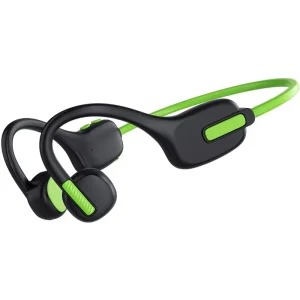
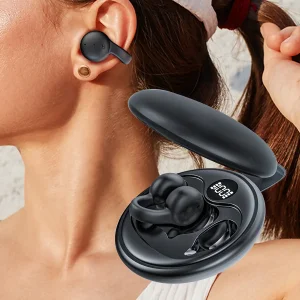
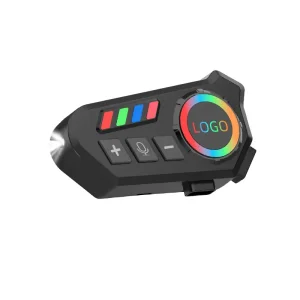
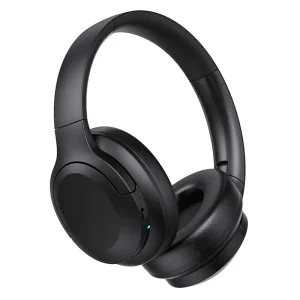
Advanced Wireless Audio Hardware Options
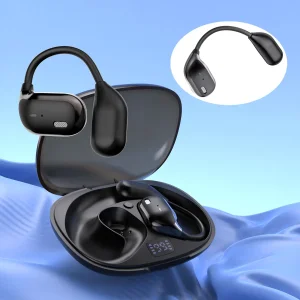
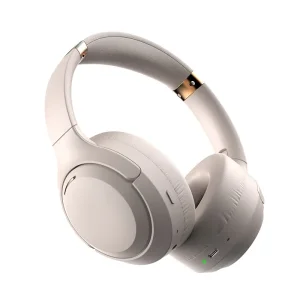
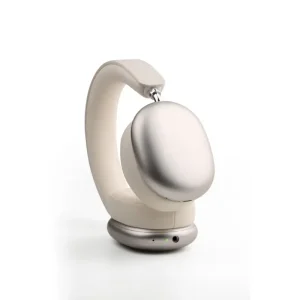
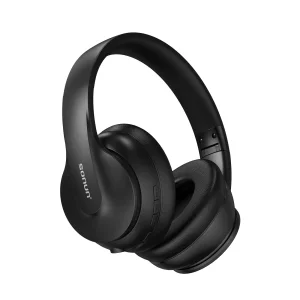
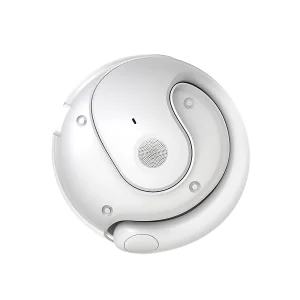
Explore additional OEM/ODM form factors available directly from Sonun Technology’s Shenzhen production facility, fully customizable with client artwork and technical specifications.
Quality Control & Testing Validation Protocols
To ensure custom printed branding withstands years of consumer use across demanding environments, Sonun subjects decorated earbud assemblies to rigorous standardized laboratory testing prior to mass production release.
Cross-Cut Tape Adhesion (ISO 2409)
A lattice pattern is cut through the cured ink coating down to the plastic substrate. 3M 600 pressure-sensitive tape is applied firmly and peeled rapidly. Ratings of 4B or 5B are required for lot release (zero flaking along lattice grid intersections).
RCA Abrasion Wear Testing
Using a standard Norman Tool RCA Abrasion Tester, an abrasive paper strip is rubbed continuously against printed logos under a 175g load. Custom earbud printing must withstand a minimum of 150 cycles without substrate breakthrough.
Synthetic Sweat & Chemical Resistance
Printed housing parts are immersed in artificial sweat solution (pH 4.7) and ethanol wipes for 48 hours at 55°C. Samples are evaluated for color shift ($\Delta E < 1.0$), blistering, softening, or loss of adhesion resilience.
Frequently Asked Questions: Sourcing Printed Earbuds from China
Direct responses to critical technical and commercial queries submitted by international procurement teams, product engineers, and OEM brand buyers.