
Direct Factory Custom Gaming & Wireless Audio Solutions
Explore our production-ready OEM/ODM hardware portfolio engineered for sub-20ms low-latency gaming, hybrid ANC performance, and scalable private-label distribution.
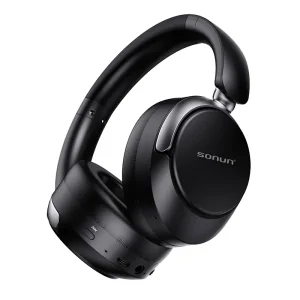
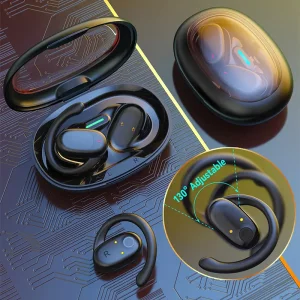
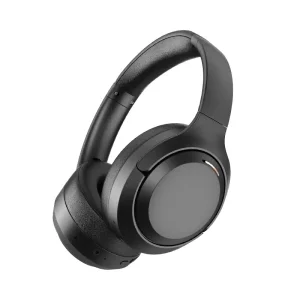
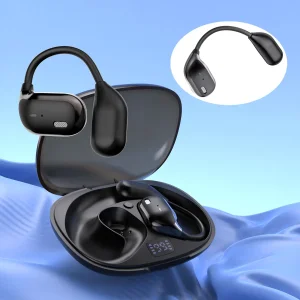
Executive Industry Overview: China Gaming Headset Cost Dynamics & Sourcing Economics
Decoding the key drivers behind manufacturing efficiency, material yield rates, and acoustic engineering cost structures across Shenzhen's premier audio production ecosystem.
In the highly competitive landscape of consumer electronics and esports hardware, the global market for gaming headsets is undergoing a profound structural shift. Importers, brand owners, and OEM/ODM procurement managers evaluating the China Gaming Headset Cost ecosystem are no longer looking purely at bottom-line unit pricing. Instead, strategic buyers focus on the holistic cost-performance ratio, calculated through Bill of Materials (BOM) optimization, acoustic durability, wireless latency thresholds, and regulatory compliance risks.
Shenzhen and the surrounding Pearl River Delta in Guangdong Province represent the world's most concentrated audio manufacturing hub. With deep supply chain integration—ranging from raw Neodymium (NdFeB) magnet refining and SMT chip placement to specialized acoustic injection molding—Shenzhen factories provide unmatched economies of scale. However, understanding how unit costs are calculated requires a granular breakdown of technical specifications, component selections, and factory overhead structures.
Key Market Drivers Influencing China Gaming Headset Unit Costs
When requesting quotes and pricelists from Chinese manufacturers, B2B buyers must navigate several macro-economic and technical cost drivers:
- Chipset Architecture & Wireless Protocols: The transition from basic Bluetooth 5.0 to dual-mode Bluetooth 5.4 + 2.4GHz proprietary wireless dongles directly impacts MCU/DSP procurement costs. Advanced low-latency chipsets (e.g., PixArt, Realtek, Airoha, Nordic) command premium pricing but eliminate lip-sync delay during high-stakes competitive gameplay.
- Acoustic Transducer Drivers: Moving from standard 40mm Mylar diaphragms to custom-tuned 50mm or 53mm Neodymium drivers with titanium-coated membranes increases raw material costs by 25% to 45%, but delivers the spatial imaging and directional bass clarity demanded by pro gamers.
- Active & Environmental Noise Cancellation (ANC/ENC): Implementing dual-microphone Environmental Noise Cancellation (ENC) with AI neural-network algorithms requires dedicated DSP processing power and electret condenser or MEMS microphone arrays, shifting the micro-BOM upwards while significantly raising voice communication clarity.
- Mechanical Ergonomics & Materials: Ear cup padding materials (high-density memory foam vs. standard sponge, breathable cooling-gel mesh vs. basic PU protein leather) and headband architecture (lightweight manganese steel sliders vs. plastic frames) dictate structural durability and long-term user comfort.
Granular Bill of Materials (BOM) & Unit Cost Allocation Matrix
An engineering-grade analysis of factory manufacturing cost tiers for gaming headset production in Shenzhen, China.
| Headset Category & Tier | Target FOB Cost (USD) | Core Chipset & Wireless Tech | Acoustic Transducer Spec | Microphone & Noise Isolation | Build Materials & Ergonomics |
|---|---|---|---|---|---|
| Entry-Level Gaming (Wired / USB) | $3.50 – $7.20 | Wired 3.5mm / C-Media USB Audio Controller | 40mm Dynamic PET Diaphragm (32Ω) | Single Omnidirectional ECM Mic with foam shield | Standard ABS Plastic, PVC Cable, Basic PU Leatherette Padding |
| Mid-Tier Wireless Gaming (2.4G Dual Mode) | $12.80 – $22.50 | PixArt / Realtek 2.4GHz + BT 5.3 Low Latency (<30ms) | 50mm Neodymium N42 Magnet Transducers | Detachable Boom Mic with Hardware ENC DSP | Manganese Steel Headband, Memory Foam, RGB Lighting Accents |
| Pro Esports / Enterprise Spatial Audio | $25.00 – $45.00+ | Nordic / Airoha Dual-Core DSP + 2.4G Dongle (<18ms LE Audio) | 53mm Titanium-Coated Diaphragms with 7.1 Virtual Surround | Dual MEMS Array with AI Neural Noise Cancellation | Aluminum-Magnesium Alloy Yokes, Breathable Cooling-Gel Earpads |
Structural Breakdown of Factory Sourcing Expenses
In a standard mass-production run at Shenzhen Sonun Technology Co., Ltd., unit cost allocation is strictly monitored under standardized ISO9001 quality management workflows. Below is how production expenditures are partitioned across a typical $20.00 FOB Mid-Tier Wireless Gaming Headset order:
1. Core Microelectronics (35%)
Includes the primary RF chipset, 2.4GHz USB dongle transceiver IC, power management integrated circuits (PMIC), Bluetooth module, and PCB surface-mount (SMT) assembly labor.
2. Acoustic Components (25%)
Encompasses matched 50mm acoustic speaker drivers, internal acoustic dampening chambers, copper-clad aluminum wire (CCAW) voice coils, and microphone capsules.
3. Housing & Tooling (20%)
ABS injection-molded earcups, metal headband sliders, custom branding silkscreening/laser engraving, RGB light diffuser plates, and ear cushion materials.
4. Battery, Testing & Packaging (20%)
Grade-A Lithium-Polymer battery with Seiko protection boards, UN38.3 compliance testing, full RF/Acoustic chamber QA, custom gift box, and shipping master cartons.
Global Enterprise Procurement Requirements & B2B Buyer Intent
Understanding the operational priorities, risk mitigation strategies, and custom design specs demanded by tier-1 brands, gaming distributors, and retail importers.
B2B procurement directors sourcing gaming headsets from China must align technical specs with strict commercial parameters. Market success relies on selecting a factory partner capable of balancing high-volume throughput with stringent quality control. Key buyer intent metrics analyzed across North American, European, and Asian procurement channels include:
1. Latency Optimization & Protocol Stability
Pro gamers and casual users alike cannot tolerate audio-video desynchronization. While standard Bluetooth exhibits latency between 120ms and 200ms, dedicated 2.4GHz USB-C hardware dongles push latency down below 20ms. Global procurement specs demand robust frequency-hopping spread spectrum (FHSS) technology to prevent interference from home Wi-Fi routers and nearby wireless devices.
2. Ergonomic Clamping Force & Fatigue Resistance
Gaming sessions frequently extend past 4 to 6 hours. Global buyers evaluate headband clamping force measured in Newtons (ideal threshold: 3.8N – 4.5N). Too tight leads to temporal pressure headaches; too loose causes sound leakage and poor low-frequency bass response. Precision mechanical engineering in the headband spring structure is a vital benchmark during OEM sampling.
3. Microphone Speech Intelligibility & ENC
Voice communication over Discord, TeamSpeak, and in-game tactical chat demands crystal-clear mic capture. Enterprise procurement briefs require dual-microphone Environmental Noise Cancellation (ENC) capable of suppressing ambient room fan noise and mechanical keyboard clicking by at least 25dB to 35dB without introducing robotic audio distortion.
End-to-End Manufacturing Solutions at Shenzhen Sonun Technology Co., Ltd.
Leveraging nearly two decades of acoustic production heritage to lower unit costs while driving product innovation.
Founded in 2006, Shenzhen Sonun Technology Co., Ltd. operates as a leading OEM/ODM manufacturer headquartered in Longhua District, Shenzhen, China. Spanning over 19 years of continuous audio manufacturing innovation, Sonun has established fully integrated production lines dedicated to active noise-canceling (ANC) headphones, low-latency gaming headsets, true wireless (TWS) earbuds, open-ear audio gear, and specialized kids' headphones.
By controlling every step of the manufacturing lifecycle under one roof, Sonun directly mitigates the cost inflation often introduced by third-party trading intermediaries:
- In-House Tooling & Plastic Injection Molding: Our advanced tooling department develops custom earcups, headband brackets, and charging cases, reducing mold amortizations and bringing down initial ODM NRE (Non-Recurring Engineering) expenses for private-label clients.
- Automated SMT & Acoustic Testing Chambers: SMT lines assemble mainboards with micro-precision. Every produced headset passes through automated SoundCheck and AP (Audio Precision) acoustic testing boxes to verify frequency response curves, total harmonic distortion (THD <1%), and channel balance before final assembly.
- Rigorous Reliability Validation: Finished units undergo simulated real-world stress testing, including 10,000-cycle headband flex tests, drop testing, button tactile life testing, salt-spray corrosion resistance on metal parts, and high/low-temperature thermal storage testing (-20°C to 60°C).
Localization Support, Global Compliance & Quality Assurance
Safeguarding international supply chains with bulletproof regulatory certifications, custom firmware localization, and strict battery safety standards.
A major hidden driver in the overall China Gaming Headset Cost equation is regulatory non-compliance. A low FOB quote becomes extraordinarily expensive if shipments are seized at customs due to non-compliant lithium batteries, lack of RED/FCC certification, or toxic material content. Sonun Audio eliminates international trade friction through complete compliance engineering:
1. Electromagnetic & Radio Compliance
Our wireless gaming headsets are engineered to comply with European CE-RED, North American FCC ID, UKCA, Japanese TELEC, and Australian RCM standards. Pre-compliance testing is conducted in-house to ensure smooth third-party lab certification.
2. Hazardous Materials & Environmental Directives
All raw plastics, silicone components, cables, and solder pastes adhere strictly to RoHS 2.0 (Directive 2011/65/EU) and REACH (EC 1907/2006) chemical safety regulations, guaranteeing safe entry into North American and European retail stores.
3. Battery Safety & Transportation Compliance
Gaming headsets with high-capacity Lithium-ion or Li-Po batteries feature integrated Seiko protection ICs preventing overcharge and thermal runaway. All battery cells carry UN38.3, MSDS, and IEC 62133 certifications for safe sea and air freight transport.
Technical Roadmap & Future Outlook (2025–2030)
Pioneering next-generation gaming hardware technologies to give our B2B partners a sustained competitive edge.
As the gaming peripheral industry evolves, technological convergence is redefining product expectations. Sonun's R&D engineering team continuously integrates next-generation innovations into our standard OEM platform designs, ensuring client brand portfolios remain ahead of market trends:
Bluetooth LE Audio & LC3 Codec Integration
Replacing legacy SBC codecs, LC3 (Low Complexity Communication Codec) dramatically boosts audio quality at half the bit rate, drastically cutting power consumption while maintaining ultra-low transmission latency.
AI-Powered Neural Network ENC & Spatial Head-Tracking
On-chip NPU accelerators perform real-time noise suppression, isolating voice from complex background noise. Meanwhile, embedded 6-axis gyroscopes enable dynamic head-tracking spatial audio for complete immersion in FPS games.
Sustainable Biomaterial Construction
In response to global corporate ESG mandates, Sonun is incorporating post-consumer recycled (PCR) plastics and biodegradable bamboo-fiber acoustic diaphragms to lower environmental impact without sacrificing acoustic rigidity.
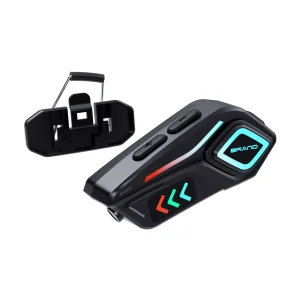
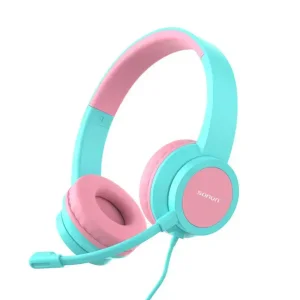
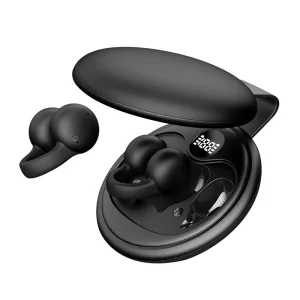
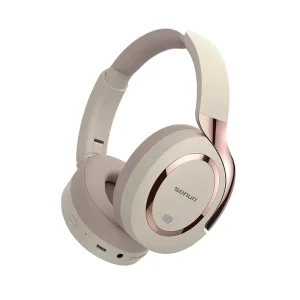
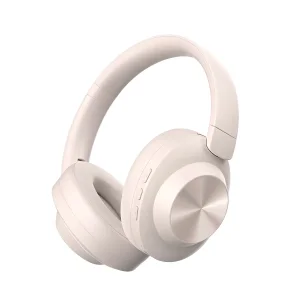
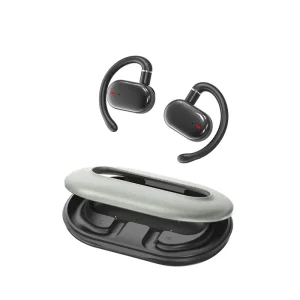
Additional OEM/ODM Wireless & Sports Headsets Catalog
Explore additional direct-from-factory headsets customized for cycling, sports, active noise cancellation, and high-fidelity mobile gaming.
Frequently Asked Questions (B2B Sourcing & Pricing FAQ)
Expert guidance on minimum order quantities, factory audits, tooling investment, lead times, and customization options.
Is Shenzhen Sonun Technology Co., Ltd. a direct headphone factory or a trading company? +
How does Sonun optimize China Gaming Headset Cost without sacrificing quality? +
What is the difference between your OEM and ODM gaming headset services? +
ODM (Original Design Manufacturing): Our engineering team works from your initial concept brief to build a completely unique product. This includes 3D CAD industrial design, custom acoustic cavity engineering, PCB layout design, custom plastic/metal tooling creation, and bespoke firmware tuning.