
Explore our flagship direct-from-factory audio solutions engineered for extreme battery life, low-latency transmission, precision ANC, and custom private-label branding.
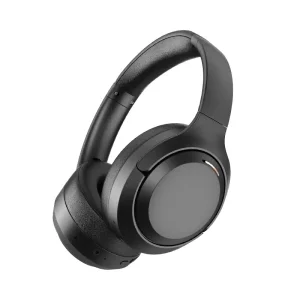
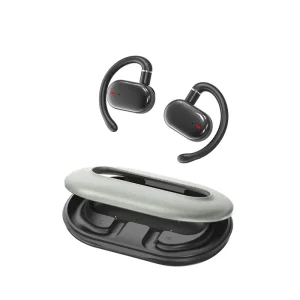
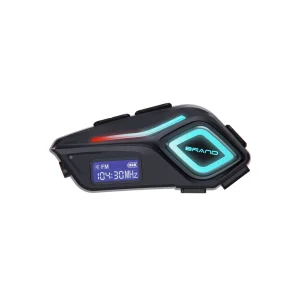
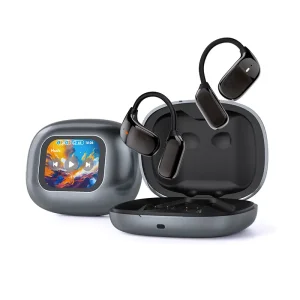
1. Macro Commercial & Industrial Status of the Global Gaming TWS Industry
The global True Wireless Stereo (TWS) market has undergone a fundamental structural paradigm shift. What began as a consumer audio segment dominated by casual music listening has converged rapidly with the eSports and mobile gaming ecosystems. According to recent supply chain data, the global gaming TWS sub-segment is expanding at a Compound Annual Growth Rate (CAGR) exceeding 18.4%, outpacing conventional Bluetooth audio hardware. This growth is propelled by the global explosion of mobile eSports platforms (PUBG Mobile, Call of Duty Mobile, Free Fire) alongside the rapid integration of high-bandwidth, ultra-low-latency wireless chipsets.
At the epicenter of this hardware evolution is China’s Greater Bay Area (Shenzhen, Dongguan, Huizhou), which manufactures over 85% of the world's wireless gaming earphones. China gaming TWS factories have transitioned from basic assembly facilities into full-stack research, acoustic engineering, and System-on-Chip (SoC) customization hubs. Modern B2B audio buyers no longer source off-the-shelf plastic enclosures; they require custom PCB layouts, proprietary 2.4GHz RF dongle integration, high-definition LC3/LHDC codec support, and specialized algorithmic Environmental Noise Cancellation (ENC) for clear multiplayer voice communications.
As a leading China gaming TWS factory and exporter, established manufacturing partners like Shenzhen Sonun Technology Co., Ltd. leverage vertical supply chain integration to deliver enterprise-grade ODM/OEM solutions. By managing the full production lifecycle—from acoustic cavity simulation and SMT (Surface Mount Technology) assembly to final RF spectrum testing—Chinese exporters provide international brands with unmatched cost efficiencies, speed-to-market, and strict international compliance.
2. Technology Roadmap & Emerging Architectural Trends in Gaming TWS
The primary historical friction point in gaming TWS adoption was signal latency. Traditional Bluetooth audio architectures (A2DP profile with SBC or AAC codecs) typically introduce 120ms to 200ms of audio delay—unacceptable in fast-paced competitive FPS (First-Person Shooter) games where audio cues determine survival. Chinese gaming TWS manufacturing research has driven breakthroughs across four key technical pillars:
Dual-Mode 2.4GHz Dongle + Bluetooth 5.4 Integration
Leading China exporters now utilize hybrid chipsets combining Bluetooth 5.4 with a ultra-compact USB-C 2.4GHz ISM-band transceiver dongle. By bypassing standard Bluetooth stack overhead, audio latency drops down to an imperceptible 15ms - 25ms, bringing true desktop-grade wireless performance to mobile and console platforms.
Spatial Audio & Multi-Driver Acoustic Chambers
Hardware engineering has advanced from single dynamic drivers to composite architecture: DLC (Diamond-Like Carbon) and Graphene diaphragms paired with custom DSP (Digital Signal Processor) algorithms. This creates a 3D binaural spatial soundstage, enabling gamers to pinpoint directional footsteps and gunshots with pinpoint accuracy.
Dual-Mic Environmental Noise Cancellation (ENC)
In-game team voice comms require isolation from background noise. Neural-network-trained ENC chips process inputs from a dedicated voice microphone and an ambient noise microphone, suppressing up to 35dB of surrounding noise (keyboard clicks, fans, street noise) while preserving natural voice dynamics.
Thermal Management & High-Density Battery Cells
High-speed wireless processing increases power consumption. Chinese factories integrate custom LIR/button-cell battery architectures with automated BMS (Battery Management Systems), achieving up to 7-8 hours of continuous gaming playback per charge, backed by fast-charging charging cases.
Industrial Technology Timeline for Chinese Audio Exporters
Basic latency reduction via software codec compression (~80ms - 100ms latency). High power drain, susceptible to 2.4GHz Wi-Fi interference.
Adoption of specialized chipset solutions (PixArt, Actions, JL, Airoha) achieving sub-50ms latency over standard Bluetooth. Integration of RGB lighting effects into charging cases.
Simultaneous connection to phone and PC/Console via USB-C dongle. Latency squeezed below 20ms. AI-powered deep-neural-network ENC, customized companion apps, and eco-friendly recyclable polymer builds.
3. Localized B2B Application Scenarios & Macro Industry Solutions
As a qualified China TWS exporter, understanding the final deployment environment of audio hardware is critical for tailored engineering. Overseas brand owners, distributors, and private-label buyers utilize Chinese OEM capabilities across distinct market segments:
eSports Brands & Mobile Gaming Retailers
Requirement: Aggressive industrial design (cyberpunk aesthetics, customizable RGB LED channels), sub-20ms dongle latency, zero audio lag during live tournament streaming.
Factory Solution: Custom tooling molds with transparent PC/ABS housings, proprietary 2.4G USB-C/Lightning dongles, custom EQ tuning pre-sets tailored for FPS gunshots and spatial steps.
Commuter & Daily Hybrid Consumer Brands
Requirement: Dual-purpose functionality. Seamless switching between music listening (ANC active noise cancellation) and low-latency gaming mode.
Factory Solution: Hybrid Active Noise Cancelling SoCs (up to -38dB noise suppression) paired with instant tap-to-switch low-latency mode, comfortable ergonomic ear-tips, and sleek metallic matte packaging.
Commercial Gaming Cafes & Fleet Leasing
Requirement: Heavy physical durability, anti-bacterial silicone ear hooks, long-cycle battery life, and cost-effective bulk OEM packaging.
Factory Solution: IPX5 water/sweat resistant coatings, UV-C sterilization charging cases, reinforced hinge structures, and long-range RF connectivity for crowded wireless environments.
Turnkey OEM/ODM White-Label Sourcing Framework
For global importers navigating China's manufacturing ecosystem, factory partners like Shenzhen Sonun Technology offer a streamlined B2B customization pathway to minimize risk and accelerate product deployment:
1. Private-Label OEM Branding
Ideal for established distributors seeking fast turnaround (3-4 weeks). Includes custom silk-screen/laser engraving logos, bespoke Pantone color matching for earbuds and charging case, custom silk-printed gift boxes, localized user manuals, and customized Bluetooth pair naming in firmware.
2. Full ODM Hardware Customization
Designed for tech brands building unique market assets. Involves 3D CAD industrial design, rapid 3D prototyping, custom tooling injection mold creation, proprietary PCB circuit design, custom DSP acoustic tuning curves, and bespoke companion smartphone app development (iOS/Android).
Expand your product catalog with our full spectrum of specialized acoustic hardware, engineered in Shenzhen with rigorous quality control, high compliance standards, and competitive export pricing.
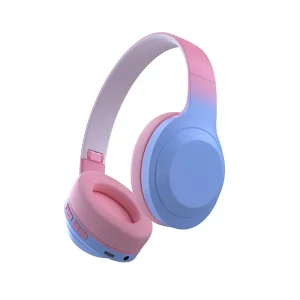
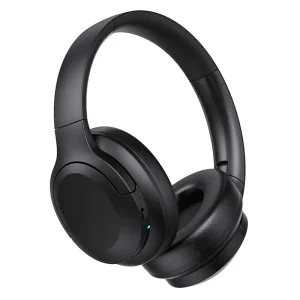
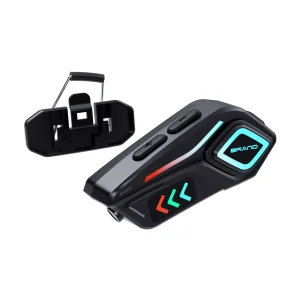
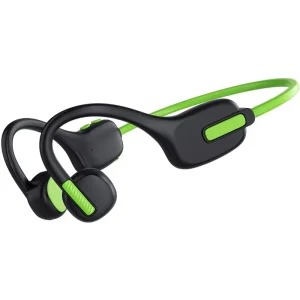
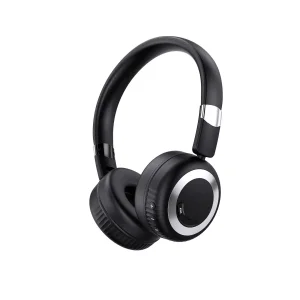
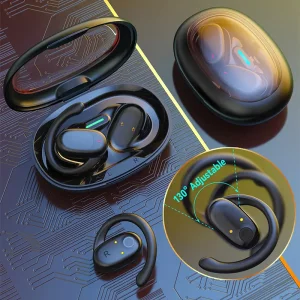
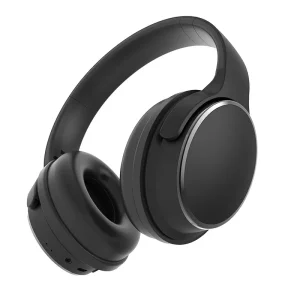
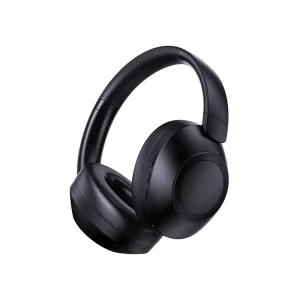
4. Strict Quality Assurance Protocols & Global Regulatory Compliance
In high-tech B2B procurement, product failure rates directly jeopardize brand equity. Established China headphone manufacturers like Shenzhen Sonun operate under strict ISO9001 quality management systems, conducting multi-stage quality control across every production node:
1. IQC (Incoming Quality Control)
Rigorous testing of raw materials prior to assembly: Bluetooth SoCs are verified via spectrum analyzers, battery cells undergo 100% capacity and safety testing, and speaker drivers are tested for frequency response consistency in anechoic chambers.
2. IPQC (In-Process Quality Control)
Automated optical inspection (AOI) during SMT PCB mounting, automated laser welding verification for battery tabs, real-time acoustic sweep testing during earpiece shell ultrasonic bonding.
3. FQC & Reliability Testing
100% finished product audio curve testing (AP - Audio Precision analysis). Environmental testing includes drop testing (1.2m onto hardwood), button actuation endurance (100,000 cycles), thermal shock (-20°C to +60°C), and salt spray corrosion testing for charging pins.
Global Compliance & Export Certifications
To ensure smooth customs clearance and legal retail distribution across North America, Europe, Japan, and the Asia-Pacific, all exported gaming TWS models can be configured to meet mandatory regional standards:
- North America (US & Canada): FCC ID wireless spectrum approval, Bluetooth SIG QPL licensing, CA Prop 65 chemical compliance, UL2054 / UN38.3 battery transport safety documentation.
- European Union (EU): CE-RED (Radio Equipment Directive), RoHS 2.0 hazardous substance restriction, REACH chemical safety, WEEE electronic waste management, EN 50332 acoustic safety compliance for safe sound pressure levels.
- Japan & South Korea: TELEC / MIC radio mark certification for Japan, KC (Korea Certification) wireless and battery safety approval.
- Environmental Sustainability: Post-Consumer Recycled (PCR) plastics integration, plastic-free eco-friendly soy-ink retail packaging options.
5. Frequently Asked Questions (B2B Procurement & Technical Buyer FAQ)
Gain critical insights before placing your OEM/ODM order. Below are key technical and commercial answers directly from our factory engineering team.
What is the realistic latency difference between standard Bluetooth and 2.4GHz Dongle Gaming TWS?
Is Shenzhen Sonun a direct headphone manufacturer or a trading company?
What are the typical Minimum Order Quantities (MOQ) for custom private-label branding?
- Custom Logo & Packaging on Existing Tooling Molds: Standard MOQ is typically 1,000 to 2,000 units per colorway.
- Custom Pantone Color Housing & Bespoke Packaging: Standard MOQ is 2,000 to 3,000 units.
- Full ODM Projects (New Plastic Injection Molds & Custom Chipsets): Tooling development opens at 5,000+ units, with mold cost amortization structures available depending on order volume commitments.