
Featured High-Gain Audio Solutions (Part I)
Directly sourcing high-performance acoustic hardware with certified compliance for the US retail, corporate, and e-commerce distribution networks.
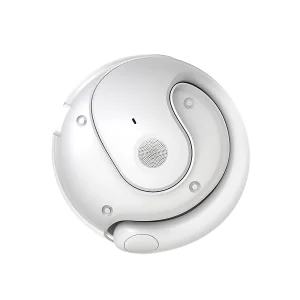
ODM AI Language Translator Open-Ear Bluetooth Earbuds with App Control
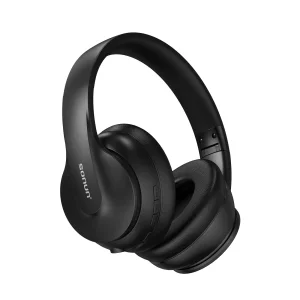
China ANC Headset with Mic & Deep Bass - Trusted OEM Solutions
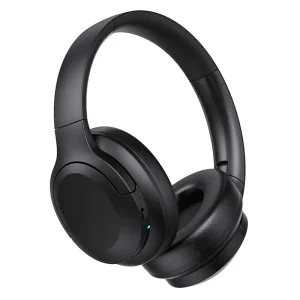
China Deep Bass Wireless Headphones with Microphone & TF Slot
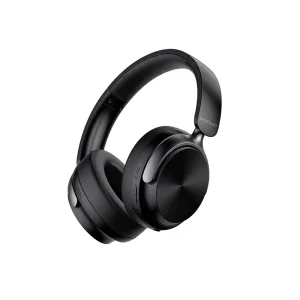
OEM High-Fidelity Passive Noise Isolation Foldable Headsets
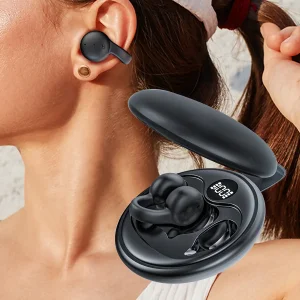
China OEM Hi-Res Audio Ultra Light Sports Earbuds Wireless with Mic
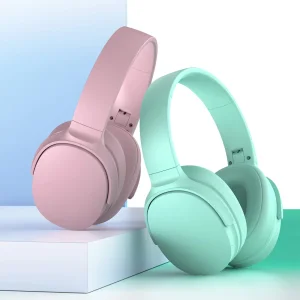
ODM China BL15 Bluetooth Headsets with 24-Hour Standby
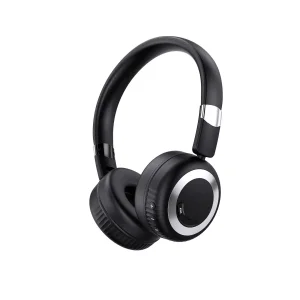
OEM Stereo Active Noise Reduction Kids Headphones with Custom Branding
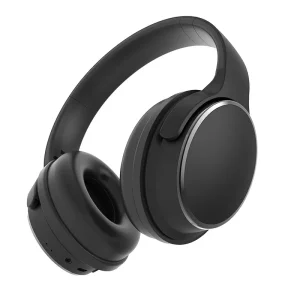
Custom Low Latency Bluetooth 5.4 Gaming Headphones
1. Executive Procurement Analysis: Navigating China-to-US Headphone Supply Chains
The global personal audio market is undergoing a seismic architectural transition. For United States consumer electronics brands, enterprise distributors, educational procurement teams, and private-label retailers, identifying reliable China headphones in US supplier networks and obtaining accurate factory-direct quotes is no longer just a transaction—it is a cornerstone strategic imperative.
Shenzhen and the wider Pearl River Delta region in Guangdong, China, maintain an unshakeable ecosystem controlling over 85% of global wireless audio manufacturing output. By integrating cutting-edge surface-mount technology (SMT), automated acoustic driver assembly, micro-injection molding, and rigorous RF (Radio Frequency) testing, Chinese factories provide unparalleled Bill of Materials (BOM) cost optimization. However, bridging the geographic and regulatory gap between Chinese manufacturing hubs and US distribution infrastructure requires deep institutional expertise in compliance, acoustics, freight optimization, and custom ODM engineering.
2. Structural Advantages of China Headphone Factories for US Importers
Why do leading US brands continuously source audio hardware directly from verified Chinese headphone manufacturers? The advantages extend far beyond basic labor cost differentials to encompass deep industrial cluster synergy and advanced technical agility.
Complete Ecosystem Proximity
Within a 50-kilometer radius in Shenzhen and Dongguan, acoustic engineers have physical access to chipset foundries (WuQi, BES, Realtek, Qualcomm), dynamic driver coil winders, lithium-polymer battery packaging lines, and specialized acoustic testing labs (AP555 analyzers). This reduces prototype iterations from months to days.
Flexible OEM & ODM Customization
Chinese manufacturers excel at transforming conceptual sketches into mass-produced hardware. Whether configuring Active Noise Cancellation (ANC) algorithms, tuning Environmental Noise Cancellation (ENC) dual-microphone arrays, or molding ergonomic open-ear wear hooks, factory-direct OEM/ODM partnerships accommodate tailored hardware specifications.
Scalable Automated Manufacturing
Modern Chinese headphone facilities operate automated SMT surface pick-and-place lines, robotic spot welding for battery protection circuits, and automated ultrasonic plastic welding. This guarantees tight unit-to-unit consistency, minimal phase deviation in stereo drivers, and industrial-grade throughput.
Anatomy of a Commercial Bluetooth Headphone Quote (Standard BOM Cost Allocation)
To evaluate quotation accuracy when dealing with China headphone suppliers, US buyers must understand typical component cost distribution within a typical mid-range ANC over-ear headphone FOB quote:
| Component Category | Technical Specification Standard | Estimated BOM Share (%) | Impact on Performance & Value |
|---|---|---|---|
| Main IC / Bluetooth SoC | Bluetooth 5.4 / Hybrid ANC / BES or Realtek Chipset | 28% - 35% | Dictates connection stability, latency, battery efficiency, and noise cancellation processing depth. |
| Acoustic Transducers | 40mm Titanium Composite Diaphragm (32Ω) | 18% - 22% | Determines frequency response range, bass extension, clarity, and Total Harmonic Distortion (THD). |
| Power Management & Battery | 600mAh Li-Po with IC Protection (UN38.3 Certified) | 12% - 15% | Controls continuous playback hours (up to 60+ hrs), safety compliance, and thermal stability during fast charging. |
| Housing, Hinge & Cushions | ABS + PC Blend, Memory Foam, Protein Leather Earpads | 15% - 18% | Influences structural durability, flex-life cycles, passive noise isolation, and long-session ergonomic comfort. |
| Testing, Packaging & Labor | Full AP Acoustic Sweep, Custom Retail Gift Box, QC Inspection | 12% - 15% | Ensures AQL 1.0/2.5 defect rates, drop-test survival, and immediate retail-readiness upon US entry. |
3. personal Audio Industry Evolution & Emerging Technology Trends
Sourcing effectively requires anticipating technology shifts. US brands importing headphones from China are transitioning away from standard legacy audio configurations toward next-generation form factors and intelligent software integrations.
1. OWS (Open Wearable Stereo) & Air Conduction
Driven by consumer preference for situational awareness and ear-canal health, open-ear earphones equipped with directional acoustic transmission are capturing significant market share from traditional in-ear TWS designs. Chinese factories lead the innovation curve in minimizing sound leakage via inverse phase acoustic algorithms.
2. AI Edge Integration & Real-Time Translation
Headphones are transforming into intelligent edge-computing devices. Modern ODM solutions integrate low-power neural processing units (NPUs) that execute real-time multi-language translation and AI voice assistance directly through connected mobile applications.
3. Bluetooth 5.4 LE Audio & LC3 Codec
The transition to Bluetooth 5.4 architecture enables Low Energy (LE) Audio and the LC3 codec. This technical upgrade cuts energy consumption by up to 40% while preserving high-resolution audio fidelity and unlocking multi-stream audio sharing capabilities.
4. Hybrid Active Noise Cancellation (ANC + ENC)
Standard passive isolation is insufficient for modern US business and travel buyers. Advanced Chinese OEM designs deploy multi-microphone feedforward and feedback arrays delivering active noise cancellation depths exceeding -45dB alongside beamforming call noise suppression.
4. US Enterprise Application Scenarios & Tailored Product Solutions
Different market verticals within the United States present distinct technical requirements, durability demands, and price-point expectations. China suppliers customize base headphone architectures to align with these specific enterprise channels:
K-12 Education & Institutional E-Learning
Core Requirements: Strict 85dB volume limiting to prevent hearing damage (WHO compliance), chew-resistant braided cables, reinforced 180-degree swiveling headband hinges, and hypoallergenic materials.
Ideal Solution: Dedicated wired and wireless kids' headphones engineered with non-toxic plastics, drop-tested up to 1.5 meters, and available in bulk institutional packaging.
Corporate Remote Work & Call Center Hubs
Core Requirements: Crystal-clear voice capture, all-day ergonomic wearing comfort (<180g weight), dual Bluetooth device connectivity (multipoint), and extended battery life (>40 hours).
Ideal Solution: Lightweight Bluetooth 5.4 over-ear headsets equipped with adjustable noise-canceling boom microphones and soft protein-foam memory cushions.
Fitness, Sports & Outdoor Retail
Core Requirements: IPX7/IPX8 sweat and water resistance, secure ear-hook retention, skin-safe silicone finishes, and open-ear acoustic designs for outdoor road safety.
Ideal Solution: OWS ear-hook earbuds and bone-conduction headsets featuring reflective band accents, 360-degree rotating charging cases, and quick-charge capabilities.
5. Global Enterprise Purchasing Matrix & Quotation Structuring
Evaluating quotes for China headphones in US supplier channels requires transparency across Minimum Order Quantities (MOQ), tooling costs, Incoterms (FOB vs. DDP), and mandatory US regulatory compliance testing. Below is an executive cost and lead-time benchmark table for B2B procurement officers:
| Procurement Tier | Target Product Category | Typical Order MOQ | Estimated Unit FOB Price Range | Sample & Mass Production Lead Times |
|---|---|---|---|---|
| Entry / Promotional | Wired Kids & Basic Bluetooth Headphones | 1,000 - 3,000 Units | $3.50 - $6.80 / Unit | Samples: 3-5 Days Mass Production: 18-22 Days |
| Mid-Tier Retail | Bluetooth 5.4 ENC & Sports OWS Earbuds | 1,000 - 2,000 Units | $8.50 - $14.20 / Unit | Samples: 5-7 Days Mass Production: 25-30 Days |
| Premium Enterprise | Hybrid ANC Over-Ear & AI Translator Earbuds | 500 - 1,000 Units | $18.50 - $32.00 / Unit | Samples: 7-10 Days Mass Production: 30-35 Days |
| Full ODM Custom Mold | Proprietary Acoustic & Industrial Design | 5,000+ Units | Custom Quote + NRE Mold Fee ($8k-$15k) | Tooling: 35-45 Days Mass Production: 30 Days |
6. Quality Assurance & Factory Audit Standards (E-E-A-T Framework)
To uphold high-reliability standards in competitive US retail markets, established China headphone factories enforce strict multi-stage quality assurance (QA) protocols across every phase of production.
IQC (Incoming Quality Control)
Rigorous testing of raw components before line entry: Audio Precision sweeps for raw driver acoustic response, battery capacity verification testing under high/low thermal stress, and chemical analysis of plastics for REACH/RoHS compliance.
IPQC (In-Process Quality Control)
Real-time monitoring during SMT assembly and housing integration. Automatic optical inspection (AOI) verifies solder joint integrity on Bluetooth PCBA boards, while continuous frequency curve matching ensures precise L/R channel balance.
FQC & OQC (Final Outgoing Quality)
100% testing of completed audio units for wireless signal range, button tactile force response, ANC depth attenuation, call noise suppression, cosmetic finish inspection, and drop packaging integrity under AQL 1.0 (Critical) / 2.5 (Major) standards.
7. Deep B2B Sourcing FAQ: China Headphones in US Market Procurement
Expert technical and commercial answers addressing key questions raised by US procurement officers, brand managers, and hardware engineers.
Q1: How do US buyers verify whether a supplier is a real manufacturer or a trading company?
Authentic Chinese headphone manufacturers operate integrated SMT lines, acoustic testing chambers, and assembly workshops under ISO9001 quality management systems. Buyers can request live video factory audits, business license verification showing manufacturing scope, or direct factory site visits at production parks in Shenzhen, Dongguan, or Longhua.
Q2: What is the typical lead time from quote approval to arrival at a US West Coast port (e.g., Long Beach)?
Standard production requires 25-30 days following golden sample sign-off and deposit receipt. Sea freight transit from Shenzhen/Hong Kong port to US West Coast ports typically takes 14-18 days. Adding customs clearance and terminal handling, total door-to-door lead time generally ranges between 45 and 55 days (or 7-10 days via Express Air Freight).
Q3: How are Section 301 tariffs on Chinese headphones handled for US import logistics?
Headphones typically fall under HTS Code 8518.30.20. Depending on current trade policies, Section 301 tariffs may apply. Experienced suppliers collaborate with US freight forwarders to offer DDP (Delivered Duty Paid) terms, consolidating customs duty, tariffs, ocean freight, and final trucking into a single clear unit price.
Q4: What custom branding options can be applied on OEM base headphone models?
OEM customization includes laser-engraved or silk-screened brand logos, custom pantone color matching for housing plastics, customized ear cushion material selection (protein leather, fabric mesh, velour), custom Bluetooth pairing names flashed in firmware, tailored voice prompt audio files, and bespoke retail gift box packaging with die-cut inner trays.
Q5: How is Active Noise Cancellation (ANC) performance measured and validated?
ANC effectiveness is evaluated in an anechoic chamber using artificial head and torso simulators (HATS like B&K or GRAS) and Audio Precision analyzers. The system measures acoustic attenuation across the 20Hz - 2kHz frequency spectrum, measuring both total dB noise reduction (e.g., -35dB to -45dB) and wind-noise rejection algorithms.
Q6: What is the process for executing a custom ODM mold project with a China factory?
ODM workflows proceed through key operational phases: 1) Product specification & 3D CAD design sign-off; 2) Rapid 3D SLA prototyping and acoustic mock-up testing; 3) Steel mold tooling creation (35-45 days); 4) T1/T2 plastic sample approvals; 5) Pre-production pilot run (100-300 units) for compliance testing; 6) Full mass production sign-off.
Featured High-Gain Audio Solutions (Part II)
Select additional factory-direct hardware models available for private label branding, bulk enterprise procurement, and custom ODM development.
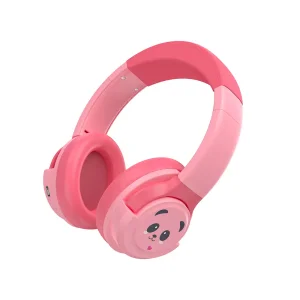
Custom China OEM BL35 Touch Button Wireless Over-Ear Kids Headphones
ODM Deep Bass Stereo Wireless Headphones with Mic & TF Slot
Custom AI Language Translator Open-Ear Bluetooth Earbuds with APP Control
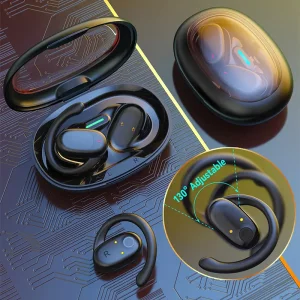
China 15hrs Playtime Wireless Sports Earbuds with Mic OEM
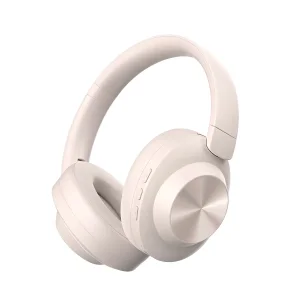
OEM Customized LOGO Wireless Over-Ear Headphone with Cushion Design
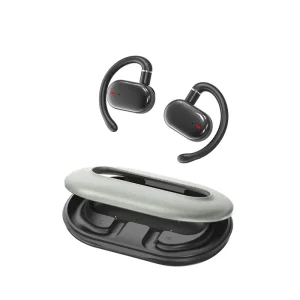
ODM Sport Adjustable Ear-Hook Wireless Earbuds - Custom Metallic Finish
China 360° Rotating Charging Case Earbuds with Soft Silicone Hooks
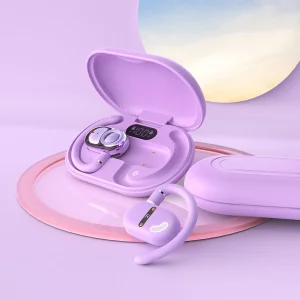
Custom Open Ear Earphones with Logo Customization Exporters
Partnering with Verified China Audio Manufacturers
Navigating personal audio sourcing requires a manufacturing partner with proven engineering capability, scalable production lines, and clear communication standards. By establishing direct OEM/ODM factory channels, US importers achieve rapid market deployment, robust compliance assurance, and sustainable profit margins.