
Explore initial high-performance base models, customizable headsets, and open-ear sports solutions direct from audited China manufacturing hubs.
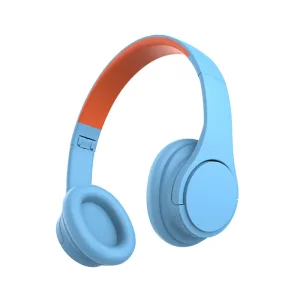
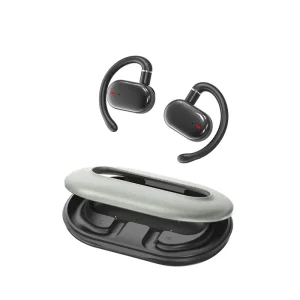
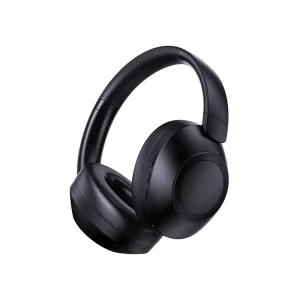
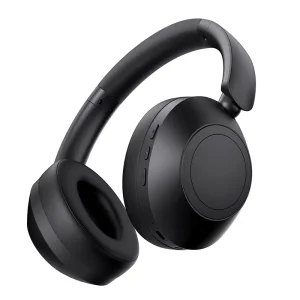
The global gaming audio hardware market is experiencing a structural migration toward ultra-low latency, multi-platform versatility, and spatial acoustic positioning. As enterprise brands, peripheral distributors, and esports hardware integrators navigate this shifting landscape, China remains the undisputed epicenter of gaming headset OEM/ODM production, generating over 82% of world's gaming headset exports.
Concentrated primarily in the Guangdong manufacturing cluster—specifically Shenzhen, Dongguan, and Huizhou—China’s gaming audio supply chain offers unprecedented vertical integration. From precision tooling facilities producing ultra-lightweight ergonomic chassis to acoustic laboratories tuning 50mm Titanium-diaphragm dynamic drivers, Chinese manufacturers provide global buyers with unmatched economies of scale, speed-to-market, and technical innovation.
Unlike regional assembly nodes, Guangdong facilities integrate SMT (Surface Mount Technology) lines for audio chipsets, custom plastic injection tooling, acoustic chamber calibration, and automated packaging within a 30-kilometer radius, slashing development cycles by up to 45%.
Leading factories maintain in-house Anechoic Chambers, Head and Torso Simulators (HATS), and RF spectrum testing equipment. This allows immediate iteration of 2.4GHz wireless dongle antenna layout and Environmental Noise Cancellation (ENC) mic tuning.
Enterprise B2B sourcing of gaming headsets requires navigating complex Bill of Materials (BOM) cost structures, minimum order quantities (MOQs), and OEM vs. ODM manufacturing pathways.
A competitive OEM/ODM quotation from a top-tier Chinese gaming headphone factory consists of four core cost tiers: Electronic Architecture (Chipset & Wireless RF), Acoustic Components (Drivers & Mics), Mechanical & Ergonomic Materials (Memory Foam, RGB, Plastics), and Compliance/Testing overheads.
| Headset Tier | Target Wholesale Price (FOB) | Core Technical Specifications | Typical Target Audience |
|---|---|---|---|
| Entry-Level Wired | $4.50 – $8.50 USD | 40mm Neodymium Driver, 3.5mm + USB (RGB light power), Single Electret Condenser Mic, PVC Cable. | Educational Labs, Mass-Market Retailers, Budget Gaming Bundles. |
| Mid-Tier Wireless 2.4G | $14.00 – $22.00 USD | 50mm Titanium-Plated Driver, 2.4GHz Dongle (<25ms latency), 1000mAh Battery (30+ hrs), Single-Mic ENC. | Mainstream Esports Brands, Mid-Market E-commerce Private Labels. |
| High-End Tri-Mode / Spatial | $28.00 – $45.00 USD | 50mm Neodymium Dual-Chamber, 2.4G + BT 5.4 + 3.5mm, AI Dual-Mic ENC, Custom App EQ, 7.1 Virtual Spatial Surround. | Professional Esports Teams, Premium Gaming Peripheral Brands. |
| Audiophile / Planar Gaming | $65.00 – $110.00 USD | Planar Magnetic Drivers, High-Res Wireless Audio, Active Noise Cancellation (ANC), Aircraft-grade Aluminum Frame. | Boutique Audiophile Gaming Labels, High-End Flagship Lines. |
Standard private-labeling (laser logo, custom colorways, customized retail box) on existing factory tooling typically starts at 1,000 to 2,000 units per batch. However, developing a completely bespoke industrial design (ODM) requires opening proprietary plastic injection molds. Plastic tooling for an over-ear gaming headset (headband, earcups, mic boom, dongle shell) typically ranges from $15,000 to $35,000 USD, with a lead time of 35 to 50 days from 3D CAD sign-off to T1 sample evaluation.
Modern competitive gaming demands sub-frame audio synchronization, precise directional cues, and crystal-clear voice communication. Leading Chinese factories are driving technological adoption in several key engineering domains:
While standard Bluetooth 5.3/5.4 introduces 60ms–100ms latency—unacceptable for First-Person Shooters (FPS) like CS:GO, Valorant, or Call of Duty—proprietary 2.4GHz Nordic or PixArt RF solution sets achieve sub-15ms latency. Chinese audio engineers utilize advanced frequency-hopping algorithms to eliminate interference in dense Wi-Fi environments.
Hardware-level noise cancellation has evolved beyond basic dual-mic subtraction. Integrated DSP chipsets running DNN trained on thousands of environmental noise profiles (mechanical keyboard clicks, background fans, room reverberation) isolate human speech with over 45dB of ambient noise attenuation.
To prevent muddy bass masking critical high-frequency footstep sounds, modern manufacturers employ physical acoustic dual-chamber structures. Separating low frequencies into a dedicated acoustic cavity ensures tight, punchy bass while maintaining mid-to-high frequency clarity.
Ensuring batch consistency and preventing high field-return rates requires establishing rigorous Quality Control (QC) frameworks directly within the supplier’s production agreement (Quality Agreement SLA).
- IQC (Incoming Quality Control): Verification of raw materials—testing battery cell C-rates, IC authenticity, driver impedance tolerance (±15%), and plastic resin purity.
- IPQC (In-Process Quality Control): Automated SMT optical inspection (AOI), 100% soldering joint verification, and acoustic frequency response checks at semi-finished stages.
- FQC/OQC (Final/Outgoing Quality Control): Sampling based on ISO 2859-1 (AQL 1.0 Major / 2.5 Minor) covering physical aesthetic finish, wireless pairing stability, and packaging drop integrity.
- Headband Fatigue Testing: 10,000 cycles of continuous expansion and twisting without structural deformation or headband snap.
- Cable Flex & Strain Relief: 5,000+ cycles of weighted bending under 300g force for wired gaming variants.
- Thermal Shock & Humidity: Operating storage testing from -20°C to +65°C at 95% relative humidity for 48 hours.
- Electroacoustic Calibration: SoundCheck analysis mapping output curve to target Harman Gaming Curve within ±2.5dB tolerance across 20Hz–20kHz.
Importing consumer electronics into North American, European, and Asia-Pacific markets requires compliance with strict radio frequency, safety, and chemical standards. Top China gaming headset manufacturers assist buyers in acquiring full certification passports prior to vessel dispatch.
| Target Destination | Mandatory Radio / EMC Certifications | Safety & Environmental Standards |
|---|---|---|
| United States (US) | FCC Part 15B (EMC) & FCC ID (Part 15C for 2.4G/Bluetooth) | UL62368-1 (Audio/Video Safety), California Proposition 65 (Phthalates/Heavy Metals). |
| European Union (EU) | CE-RED (Radio Equipment Directive 2014/53/EU), EN 300 328 | RoHS 2.0 (2011/65/EU), REACH SVHC compliance, WEEE Recycling symbol registration. |
| Japan (JP) | GITEKI / MIC Radio Certification (Technical Conformity Mark) | PSE Mark (For internal lithium-ion batteries exceeding energy density thresholds). |
| Global / Eco | Bluetooth SIG QDID Licensing | PCR (Post-Consumer Recycled) ABS Plastics, FSC Certified Zero-Plastic Packaging. |
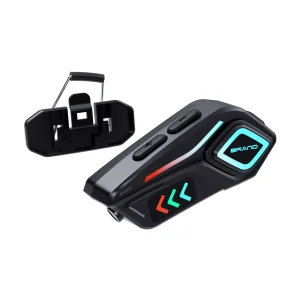
Explore additional high-value wireless headsets, helmet-integrated communications, and noise-canceling gaming solutions available for customization.
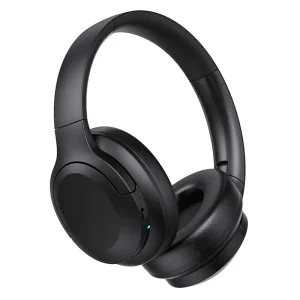
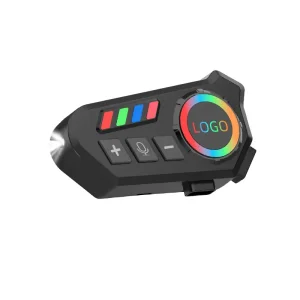
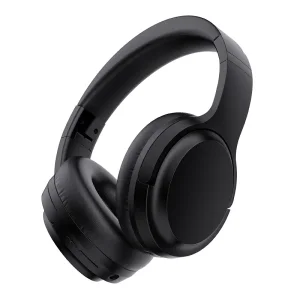
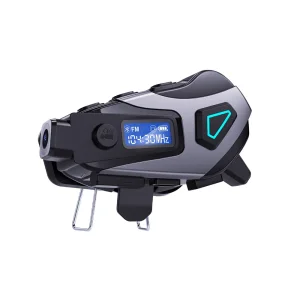

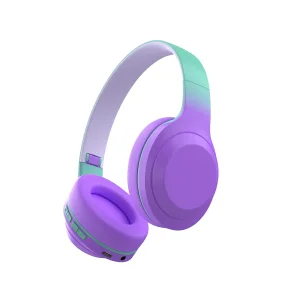
To receive accurate, comprehensive factory quotes and minimize back-and-forth negotiation delays, enterprise procurement officers should structure their Request for Quotation (RFQ) using the standard engineering matrix below:
Specify exact wireless chipsets (e.g., PixArt PAU1800 series for low-latency, Realtek, or JL solutions for budget lines), driver diaphragm material (Titanium, Mylar, PET), battery capacity with C-rate protection ICs, and ear-cushion materials (breathable mesh fabric vs. protein leather with cooling gel inserts).
Detail software expectations: PC companion suite requirements (Virtual 7.1 surround sound toggle, 10-band EQ adjustment), custom USB dongle VID/PID identification, customized Bluetooth pairing broadcast name, and localized voice prompt audio files.
Request clear pricing breakdowns distinguishing FOB unit costs from master carton specifications, spare part allocations (typically 0.5% to 1% FOC units for RMA replacement), tooling payment terms (usually 50% deposit, 50% upon T1 sample approval), and mass production lead times (30 days for reorders, 45 days for initial OEM runs).
Direct technical and commercial answers for sourcing managers, product managers, and hardware brand buyers.