
Top-Rated OEM/ODM Audio Hardware Showcase (Part I)
Explore our flagship private-label audio solutions engineered for global brand owners, importers, and gaming peripheral distributors.
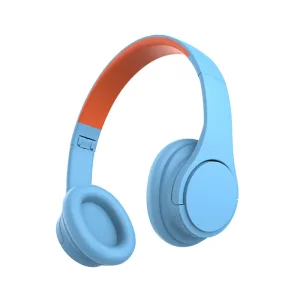
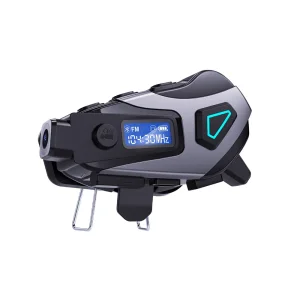
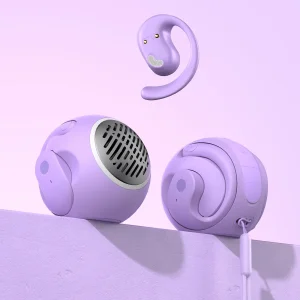
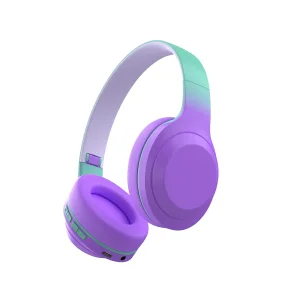
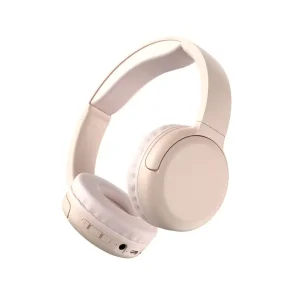
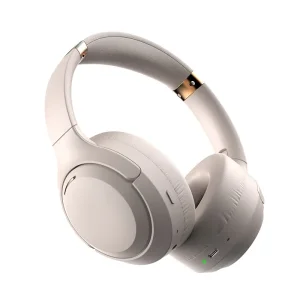
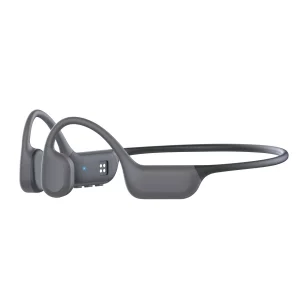
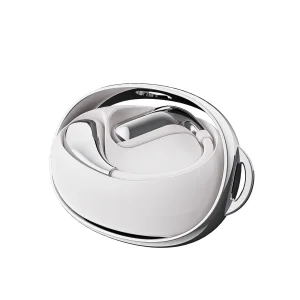
1. Global Gaming Headset Market Reality & Macro Industry Solutions
Analyzing supply chain velocity, consumer audio expectations, and OEM/ODM procurement paradigm shifts across international markets.
The global gaming headset ecosystem is experiencing a profound architectural shift driven by the convergence of interactive eSports platforms, spatial audio algorithms, and dual-mode wireless protocols. Valued at over $5.8 Billion and accelerating at a CAGR of 7.4% toward 2030, gaming headsets are no longer treated as simple peripheral accessories; they are critical real-time spatial communication hubs required for competitive performance.
For international procurement directors, retail brand managers, and cross-border e-commerce brand owners, evaluating China Top Rated Gaming Headsets Pricelist & Quotes requires an engineering-level understanding of the electroacoustic supply chain centered around the Greater Bay Area (Shenzhen, Dongguan, and Huizhou). Over 70% of the world's acoustic transducers, wireless SOC chipsets, and precision injection molds originate from this industrial cluster.
Macro Industry Pain Points & Factory-Level Solutions
Wireless Latency Bottlenecks
Standard Bluetooth (SBC/AAC) introduces 150ms–220ms latency, rendering audio out-of-sync with high-framerate monitors (144Hz+). Solution: Dual-mode chipsets integrating 2.4GHz proprietary RF dongles achieving sub-15ms uncompressed transmission.
Acoustic Driver Distortion
Generic 40mm Mylar drivers suffer from modal breakup at high SPLs, drowning footsteps under boomy bass. Solution: Custom-tuned 50mm Titanium-coated dynamic diaphragms mounted in anti-vibration acoustic chambers.
Microphone Noise Bleed
Unfiltered background noise disrupts voice comms during intense matches. Solution: Dual-microphone Environmental Noise Cancellation (ENC) powered by hardware DSP neural network algorithms.
2. Transparent Pricing Architecture & Quotation Benchmarks
Demystifying the Bill of Materials (BOM), tooling amortizations, and tiered pricing structures for B2B gaming headset bulk orders.
When requesting quotes from China OEM/ODM manufacturers like Sonun Audio (Shenzhen Sonun Technology Co., Ltd.), understanding how specific engineering choices impact unit FOB prices prevents margin compression down the line. B2B gaming headset pricing is strictly anchored to four core acoustic parameters: SOC Chipset Tier, Driver Materiality, Active Noise Cancellation (ANC/ENC) DSPs, and Materials Compliance.
| Tier Category | Target Wholesale Price Range (FOB China) | Core Technical Specifications | Target B2B Market Channel |
|---|---|---|---|
| Entry-Level / Educational Gaming | $4.50 – $8.50 / unit | 3.5mm Wired / USB-A, 40mm Mylar Drivers, Omnidirectional Mic, ABS Shell, Basic RGB Lighting | School Esports Leagues, Budget Amazon Private Labels, Retail Value Chains |
| Mid-Tier Competitive Wireless | $12.80 – $22.00 / unit | 2.4GHz + BT 5.3 Dual Mode, 50mm Titanium Drivers, Single-Mic ENC, Soft Protein Leather, 30H Battery | Mid-range Brand Distribution, Supermarket Consumer Electronics, Cross-Border E-commerce |
| Pro eSports / Audiophile Flagship | $28.00 – $58.00 / unit | 2.4GHz Ultra-Low Latency (<15ms), Hybrid Active Noise Cancelling (ANC), Dual-Mic Neural ENC, Detachable Mic, 50H+ Battery, Custom App Integration | Professional Gaming Accessories Brands, Hardcore PC Gamer Lines, Premium Retail Outlets |
Key drivers behind quote variations include factory minimum order quantities (MOQs). Standard OEM customization (logo silk-screening, custom color matching via Pantone, and customized giftbox packaging) starts at 1,000 units, whereas custom ODM tooling for proprietary ear-cup geometries requires structural tooling amortizations starting at 3,000–5,000 units.
3. Micro-Acoustic Engineering & Hardware Technical Deep Dive
A rigorous examination of acoustic cavity tuning, frequency response curves, and wireless RF signal integrity.
50mm Neodymium Transducer Mechanics
At the heart of any top-rated gaming headset is the dynamic transducer assembly. Standard consumer headphones prioritize warmth (accentuated mid-bass between 100Hz–300Hz), which mud-masks high-frequency positional audio cues in FPS games (such as CS:GO or Call of Duty). Sonun's electroacoustic engineers engineer gaming dynamic drivers with high-grade N52 Neodymium magnet structures coupled with 20um PET-PEEK composite diaphragms.
This delivers a balanced frequency response profile characterized by extended treble detail (5kHz–10kHz) for precise directional footstep isolation and crisp weapon reloading acoustics without harmonic distortion at maximum acoustic output.
Wireless Architecture: 2.4GHz Proprietary vs. Bluetooth 5.4
While Bluetooth 5.4 offers lower power consumption and improved LE Audio capabilities, its native packet transmission protocol still introduces latency variation unsuitable for real-time competitive gaming. Our engineering matrix utilizes dual-chip solution sets combining a dedicated 2.4GHz RF transceiver dongle (using Nordic or Realtek SOCs) with secondary Bluetooth 5.4 connectivity.
The 2.4GHz pipeline operates on an uncompressed 16-bit/48kHz audio stream using custom FHSS (Frequency Hopping Spread Spectrum) algorithms to overcome RF interference in dense Wi-Fi environments.
4. Localized Application Scenarios & Vertical Market Integration
How tailored electroacoustic designs solve unique operational requirements across diverse consumer environments.
Competitive eSports Arenas & LAN Cafe Facilities
Commercial gaming lounges require extreme mechanical durability and hygienic compliance. Headsets designed for this deployment feature steel-reinforced memory bands, detachable, swab-clean synthetic leather earpads, and reinforced strain-relief cabling tested to over 50,000 bending cycles.
Cross-Platform Console & Mobile Ecosystems
Modern gamers switch seamlessly between PC, PlayStation 5, Xbox Series X, Nintendo Switch, and mobile smartphones. Sonun's multi-platform audio solutions utilize multi-connector USB-C/USB-A dongles with hardware toggle switches that alter protocol handshakes based on host OS driver requirements.
Outdoor & Helmet-Mounted Riding Communications
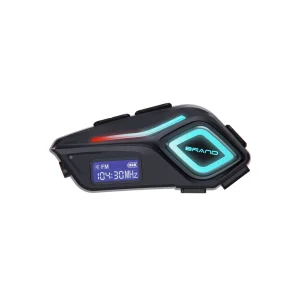
For specialized riding and helmet-integrated audio gear (as featured in Sonun's helmet headset product lines), acoustic engineering must account for extreme wind noise (up to 80 km/h) and severe vibration. Drivers are enclosed in IPX6 weather-sealed housings with directional boom mics utilizing physical acoustic wind screens.
5. Technology Roadmap & Future Outlook (2025–2030)
Anticipating the next decade of gaming electroacoustics: AI neural processing, biometrics, and sustainable manufacturing.
As gaming hardware transforms toward cloud render engines and spatial computing platforms (AR/VR/MR), the audio headset will evolve into a smart sensory portal. Sonun's R&D department is actively investing in three pivotal technology vectors:
1. Edge-AI Real-Time Voice Translation
Integrating ultra-low power Neural Processing Units (NPUs) directly into the headset DSP. This enables real-time sub-50ms voice-to-voice multilingual translation for international multiplayer lobbies without taxing PC host GPU/CPU resources.
2. Dynamic Head-Tracking Spatial Audio
9-axis Inertial Measurement Units (IMUs) embedded inside earcups track subtle head rotations in real time, recalibrating HRTF (Head-Related Transfer Function) spatial audio algorithms to maintain dynamic soundstage realism in VR and simulation gaming.
3. Sustainable Post-Consumer Polymer Tooling
Aligning with European Union Eco-Design mandates and global ESG frameworks, Sonun is transitioning headband and cup housings to 100% Recycled Polycarbonate (PCR-PC) and bio-based memory foams without compromising acoustic resonance integrity.
6. Comprehensive Quality Assurance & Compliance Guarantee
How Shenzhen Sonun Technology Co., Ltd. enforces international testing protocols from raw materials to mass production shipments.
Established in 2006 in Longhua District, Shenzhen, Sonun Audio operates under strict ISO9001 quality management systems. In electroacoustic manufacturing, reliable product quality is the single greatest defense against brand erosion and costly consumer returns.
Our in-house acoustic and reliability testing laboratory subjects every production batch to rigorous stress testing before golden sample approval and bulk dispatch:
Anechoic Audio Testing
Full-frequency dynamic response curves, THD (Total Harmonic Distortion <1%), and phase symmetry measured via SoundCheck and B&K artificial head simulators.
Mechanical Reliability
Headband flex testing (10,000 tension cycles), ear-cup swivel torsion, cable pull force endurance (>8kg), and drop impact simulation from 1.5 meters onto hard concrete.
Environmental Stress
Thermal shock chambers (-20°C to +65°C storage), 95% RH humidity conditioning, and 48-hour continuous salt spray corrosion testing for metallic mesh and connectors.
International Compliance
Full certification support for destination markets: CE, FCC, RoHS, REACH, CA Prop 65, TELEC, and KC documentation provided with every mass order shipment.
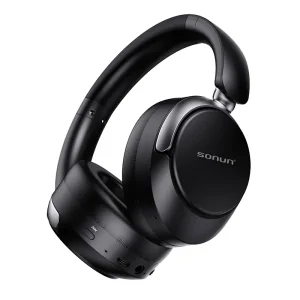
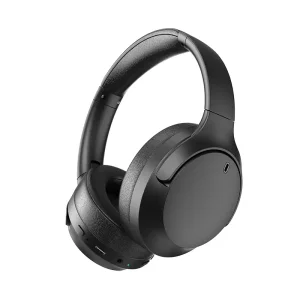
Top-Rated OEM/ODM Audio Hardware Showcase (Part II)
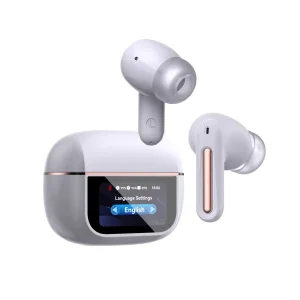
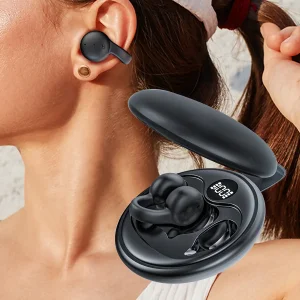
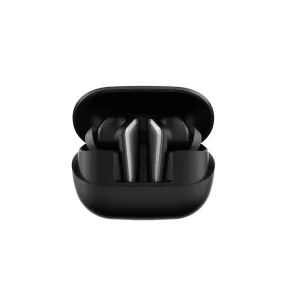
Browse additional customisable audio models available for immediate sample evaluation and mass production scheduling.
7. Comprehensive B2B Buyer FAQ & Intent Mining Guide
Addressing core procurement questions regarding pricelists, OEM customization, factory audits, and production schedules.
Is Sonun Audio a direct headphone factory or a trading company?
Shenzhen Sonun Technology Co., Ltd. is a direct manufacturer established in 2006. We operate our own production facility in Longhua District, Shenzhen, managing acoustic R&D, plastic injection, SMT surface mounting, final assembly, and quality control directly. Buyers are encouraged to visit or conduct third-party factory audits (SGS/Intertek).
How do I obtain an accurate quote and official pricelist for bulk orders?
To receive an itemized FOB quote and volume pricelist, contact our sales engineering team with your required product specifications: base model selection, target order quantity (e.g., 1,000 vs. 10,000 units), customization parameters (logo, colorways, packaging), and target destination country for compliance planning.
What is the standard minimum order quantity (MOQ) for OEM branding?
For standard private labeling (custom brand logo silk-screening, custom Pantone housing colors, tailored user manuals, and customized giftboxes) on existing tooling, the MOQ is typically 1,000 units per model. For bespoke ODM projects requiring custom acoustic housing molds, MOQs start at 3,000 to 5,000 units.
Can Sonun customize the acoustic sound signature and ANC/ENC performance?
Yes. Our electroacoustic engineers can adjust DSP equalizer curves to emphasize sub-bass impact or heighten treble clarity based on your brand target demographic. For ANC and ENC models, we calibrate feedforward and feedback microphone gain stages to achieve optimal noise suppression decibel targets (>30dB cancellation).
What are the typical lead times for sample evaluation and mass production?
Customized pre-production golden samples with your logo and artwork are delivered within 7 to 10 working days. Mass production completion typically requires 25 to 35 calendar days following golden sample confirmation and deposit receipt, depending on raw material component lead times.
Does Sonun provide certification documentation for the EU, US, and Japanese markets?
Yes. All acoustic hardware and battery components are selected to meet CE, FCC, RoHS, REACH, CA Prop 65, TELEC, and KC compliance requirements. We assist buyers in obtaining full testing reports through certified testing agencies prior to bulk shipment.