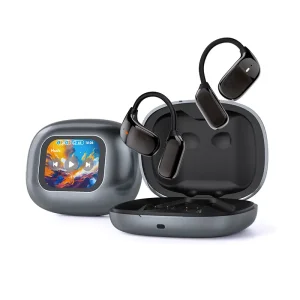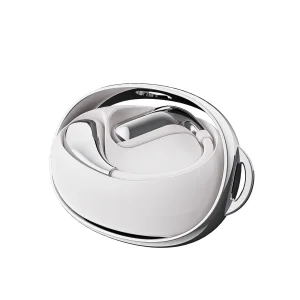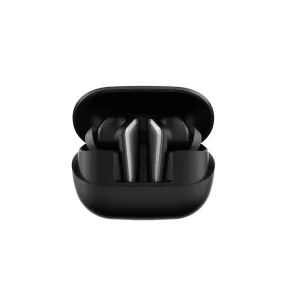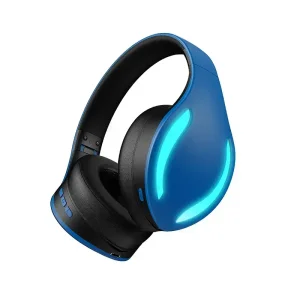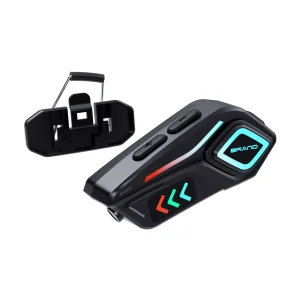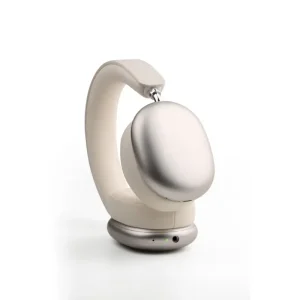
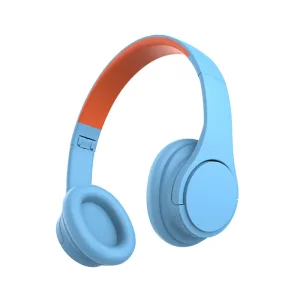
Featured Custom ANC & OEM Audio Portfolio (Part 1)
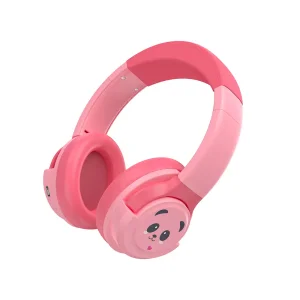
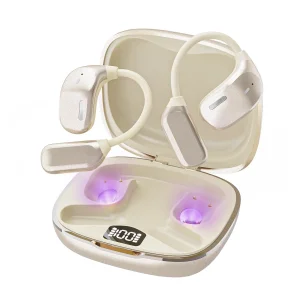
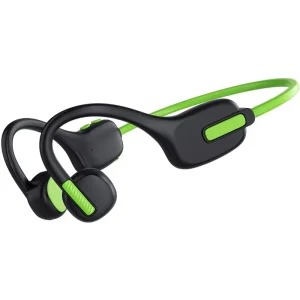
Explore high-performance Active Noise Cancellation, Open-Ear, Bone Conduction, and Kids Smart Headphones ready for enterprise private labeling.
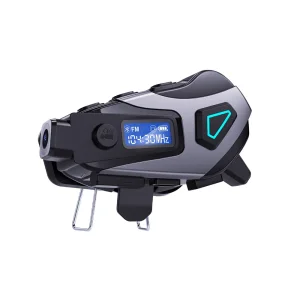
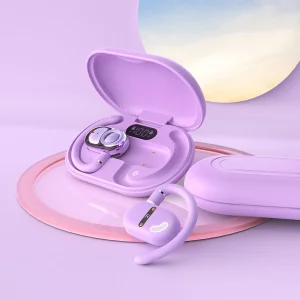
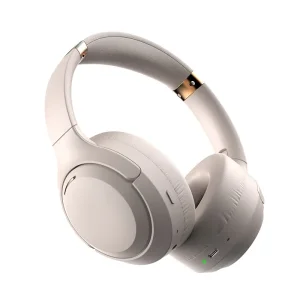
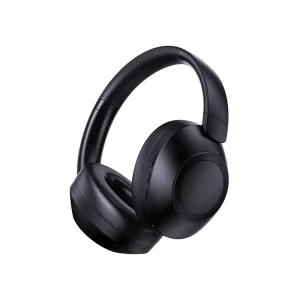
1. Global Commercial Landscape & Industrial State of ANC Headphones
Understanding market demand, supply chain dynamics, and regulatory benchmarks shaping global acoustic procurement.
The global market for Active Noise Cancellation (ANC) headphones and premium wireless audio gear has undergone a fundamental structural shift over the past five years. Driven by the normalization of remote/hybrid work environments, rising consumer demand for high-fidelity personal audio spaces, and rapid integration of advanced System-on-Chip (SoC) architectures, ANC has transitioned from a luxury premium feature to a baseline consumer expectation across consumer, commercial, and enterprise channels.
According to current industrial manufacturing benchmarks, the global smart audio hardware market exceeds $38 Billion, with ANC-enabled headsets commanding over 62% of revenue generation. The primary manufacturing nexus remains centered in Shenzhen, China—specifically within specialized hubs like the Longhua District—where integrated supply chains connect acoustic transducer design, precision injection molding, surface-mount technology (SMT) for Bluetooth SoCs, and automated acoustic chamber calibration under one roof.
For international buyers, brand owners, and OEM distributors requesting custom quotes, securing high-performance ANC hardware requires evaluating vendor capability across four major industrial dimensions:
Compliance & Certification Matrix
Mandatory regional standard compliance including CE (RED), FCC ID, RoHS, REACH, WEEE, and California Proposition 65 for safe materials and RF emissions compliance.
Battery Chemistry & Safety Standards
Integration of UN38.3 certified Lithium-Polymer cells, IEC 62133 safety circuitry, and NTC thermistor protections for rapid charging cycles without thermal degradation.
Acoustic Driver Customization
Options spanning 40mm Composite Titanium Diaphragms for over-ear units to 16.2mm Dynamic Drivers for Open-Ear (OWS) structures requiring specialized bass tuning.
2. Technical Architecture: Active Noise Cancellation (ANC) Engineering & DSP Roadmaps
Deep-dive analysis of hardware micro-architectures, microphone placement topology, and digital signal processing algorithms.
Engineered Active Noise Cancellation works by capturing ambient acoustic waves via external and internal microphones, processing the phase in real-time, and emitting an inverted anti-phase sound wave ($180^\circ$ phase shift) through the audio speaker driver. However, achieving "good ANC" without sacrificing audio frequency response or creating ear-pressure discomfort ("cabin pressure") requires sophisticated DSP tuning.
Noise Cancellation Topology Comparison
When requesting quotes and evaluating OEM engineering proposals, B2B buyers must select the appropriate ANC topological implementation:
Feedforward ANC
Mic Location: Exterior earcup shell.
Performance: Excellent for constant mid-to-high frequency isolation (traffic, wind noise). Easy to calibrate, lower BOM cost.
Typical Depth: -20 dB to -28 dB.
Feedback ANC
Mic Location: Inside earcup cavity near the speaker.
Performance: Directly listens to what the user hears; corrects self-noise and low frequencies (engine hum, sub-bass rumble). Requires careful tuning to prevent acoustic feedback oscillation.
Typical Depth: -25 dB to -32 dB.
Hybrid ANC (Industry Gold Standard)
Mic Location: Dual microphones per side (Feedforward + Feedback).
Performance: Comprehensive multi-frequency noise cancellation up to 2kHz bandwidth. Incorporates dynamic adaptive transparency.
Typical Depth: -35 dB to -45 dB.
SoC Platform & Bluetooth 5.4 LE Audio Roadmap
Modern custom headphones rely on specialized System-on-Chip solutions from world-class chipmakers including Qualcomm (QCC series), Bestechnic (BES), Airoha (MediaTek), and Realtek. Key technical capabilities defined in current B2B specifications include:
- Bluetooth 5.4 Architecture: Enhanced connection stability, reduced power consumption (under 5mA active load), and low latency for gaming and video sync.
- LE Audio & Auracast™: Support for the LC3 (Low Complexity Communication Codec), delivering 50% better sound quality at half the bitrate compared to legacy SBC codecs, alongside multi-receiver audio broadcasting.
- ENC Mic Arrays (Environmental Noise Cancellation): Neural network-trained dual/quad MEMS microphone beamforming algorithms that isolate human voice from 50dB+ background noise during cellular and VoIP calls.
3. B2B Pricing Structure: Custom Good ANC Headphones Pricelist & Cost Drivers
Transparent benchmark quotes, order quantity tiering, and breakdown of Bill of Materials (BOM) cost components.
When procuring custom ANC headphones from direct manufacturers, quotes are influenced by five major variables: SoC chip selection, ANC microphone tiering, battery capacity, housing finish/tooling customization, and certification requirements. Below is an indicative wholesale pricelist matrix for enterprise volume procurement planning:
| Category / Model Specification | MOQ Tier | Key Hardware Features | Est. FOB Price (USD) | Lead Time |
|---|---|---|---|---|
| Entry-Level Bluetooth 5.4 Headset | 1,000 Pcs | 40mm Dynamic Driver, SBC/AAC, 30H Battery, Soft PU Ear Cushions | $6.50 - $9.80 | 20 - 25 Days |
| Passive Noise Reduction / Deep Bass | 1,000 Pcs | High-density Memory Foam, Aux-in, 50H Battery, Custom Brand Logo | $8.20 - $12.50 | 25 - 30 Days |
| Feedforward ANC Wireless Headphone | 500 Pcs | -25dB Noise Reduction, 400mAh Battery, Dual Mic ENC, Foldable Shell | $14.00 - $19.50 | 30 - 35 Days |
| Hybrid Active Noise Cancelling (ANC) | 500 Pcs | -38dB to -45dB Hybrid ANC, BES/Qualcomm Chipset, Transparency Mode, 60H Battery | $22.00 - $32.00 | 30 - 40 Days |
| Kids Volume-Limited ANC Headphone | 1,000 Pcs | Safe 85dB/94dB Limit, Food-Grade Non-Toxic Materials, 60H Playback, Bone Conduction / Wireless | $7.80 - $13.50 | 25 - 30 Days |
| OWS Open-Ear Sports Earbuds | 1,000 Pcs | Bluetooth 5.4, DirectPitch™ Directional Sound, UV Sterilization Case option, IPX5 Waterproof | $11.50 - $18.00 | 25 - 35 Days |
Key Cost Breakdown Elements in OEM Quotes
To accurately negotiate factory quotations, purchasing managers must analyze how hardware decisions alter the Bill of Materials (BOM):
- Silicon Platform (25% - 35% of BOM): Standard JL/Realtek chipsets offer budget affordability, whereas high-tier Qualcomm Snapdragon Sound chips with aptX Lossless certification increase unit costs by $4.00–$9.00.
- Acoustic Transducers & Cavity Engineering (15% - 20% of BOM): PET diaphragms are cost-effective; titanium-coated, beryllium, or bio-cellulose drivers increase acoustic clarity and frequency range up to 40kHz (Hi-Res Audio standards).
- Microphones & ANC Assembly (10% - 15% of BOM): Electret mics vs Digital MEMS mics (Knowles/Goertek). High-end Hybrid ANC requires four matched digital MEMS microphones with tight phase tolerance.
- Custom Tooling & Industrial Design: Off-the-shelf private tooling incurs zero NRE (Non-Recurring Engineering) fees. Custom private molds cost between $12,000 and $35,000 depending on mechanical complexity and earcup articulation.
4. Sector-Specific Application Scenarios & OEM/ODM Engineering Customization
How tailored ANC solutions address distinct acoustic requirements across commercial and enterprise verticals.
Enterprise & Open Office Call Centers
Requires aggressive quad-microphone ENC algorithms to strip away neighboring chatter, combined with multi-device Bluetooth Multipoint pairing for instant switching between laptop video conferences and smartphone voice calls.
Aviation & Commuter Travel
Focuses on ultra-low-frequency noise cancellation (20Hz–300Hz) designed to isolate jet engine roar and train track vibration. Earcup clamping force must be engineered for prolonged 8+ hour comfort without causing cranial tension.
Children & Educational Hearing Protection
Specially customized headphones with hardware-locked decibel limiters (85dB/94dB compliant with WHO standards), flexible indestructible headbands, hypo-allergenic ear pads, and optional bone-conduction acoustics for situational awareness.
Motorsports & Cycling Helmet Audio
Requires specialized ultra-thin acoustic housing structures, glove-friendly mechanical tactile controls, voice-assistant activation (Siri/Google Assistant), FM radio integration, and high wind-noise suppression micro-windscreen covers.
Sports & Open Wearable Stereo (OWS)
Open-ear directional acoustic conduction preventing sound leakage while maintaining full outdoor environmental awareness. Integrated UV sterilization cases sanitize silicon ear hooks between workout cycles.
Gaming & Low-Latency Esports
Requires 2.4GHz Ultra-Low Latency USB dongles (<20ms latency delay), RGB customizable ambient lighting sync, 3D Spatial Audio positional algorithms, and detachable noise-cancelling boom microphones.
5. Advanced Technical Roadmap & Future Outlook (2025–2030)
Emerging acoustic technologies defining the next generation of private-label headwear and personal audio.
As the smart hearables industry evolves, direct manufacturers are integrating next-generation hardware capabilities into standard OEM/ODM platforms. Brands sourcing today should align product roadmaps with these incoming technological shifts:
1. Adaptive AI Spatial ANC 3.0
Next-generation ANC processors utilize edge-AI neural networks running directly on DSPs to perform micro-second scene detection. Rather than static noise cancellation levels, Adaptive ANC dynamic filters auto-adjust attenuation depth based on immediate environmental acoustics—seamlessly transitioning between subways, quiet offices, and windy outdoor streets without manual user intervention.
2. Solid-State MEMS Speakers
Moving away from legacy coil-and-magnet dynamic drivers, micro-electromechanical systems (MEMS) silicons are emerging as mid-to-high frequency drivers. MEMS speakers deliver zero-phase-shift high-frequency fidelity up to 80kHz, drastically reducing weight, improving battery efficiency, and leaving extra cavity room for larger battery cells.
3. Integrated Health & Biometric Monitoring
Future ANC headphones and OWS earbuds are evolving into wearable health monitors. By incorporating photoplethysmography (PPG) optical sensors inside ear tips and earhooks, upcoming OEM platforms enable real-time tracking of heart rate, body temperature, and neck posture analytics fed directly into customized brand companion apps.
6. Quality Assurance, Acoustic Testing Protocols & Compliance Framework
Ensuring absolute mass-production stability and compliance across international retail markets.
Mass manufacturing of precision acoustic equipment demands rigorous quality control protocols at every stage of production. A tier-1 factory partner enforces strict testing parameters prior to export release:
Anechoic Chamber HATS Measurement
100% production curve matching using Head and Torso Simulators (HATS) and SoundCheck® analysis software to ensure frequency response curves match approved golden samples within $\pm1.5\text{ dB}$ tolerances.
Mechanical Reliability Testing
Headband torsion testing (over 10,000 flex cycles), earcup swivel stress tests, drop testing from 1.5 meters onto hard surfaces, and button tactile lifespan tests exceeding 100,000 actuations.
Environmental Aging Chambers
Thermal shock exposure (-20°C to +65°C), high humidity aging (95% RH @ 40°C for 48 hours), and sweat-resistant salt spray tests for IPX4 to IPX7 water protection verification.
7. Strategic OEM/ODM Procurement & Supplier Selection Checklist
Standard operating procedure (SOP) for audio hardware buyers requesting quotes and auditing factories.
To mitigate supply chain risks, eliminate delivery delays, and prevent unexpected cost overruns, enterprise buyers should execute the following sourcing checklist before issuing Purchase Orders (PO):
- Define Destination Compliance Requirements Early: Inform your manufacturer of target sell-through territories (US, EU, Japan, UK) during initial RFQ so components are pre-screened for regional directives (CE-RED, FCC, Telec, RoHS).
- Specify Exact ANC Target Parameters: Define target attenuation in dB (e.g., "-35dB @ 100Hz–500Hz") rather than requesting generic "noise cancelling."
- Clarify Software & Firmware IP Ownership: Confirm whether custom EQ settings, smartphone app support, or unique DSP sound profiles are proprietary to your brand.
- Audit Factory In-House Equipment: Verify that the direct manufacturer maintains SMT production lines, acoustic testing chambers, and aging equipment under ISO9001 quality management systems.
8. Frequently Asked Questions (FAQ) - Sourcing & Customization Insights
Addressing core questions posed by international buyers, product managers, and audio importers.
Featured Custom ANC & OEM Audio Portfolio (Part 2)
Additional enterprise-grade wireless headphones, open-ear sports headsets, and gaming solutions available for private-label order.