
Featured Gaming & OEM Audio Catalog
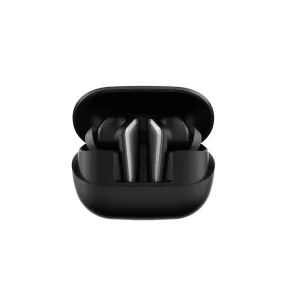
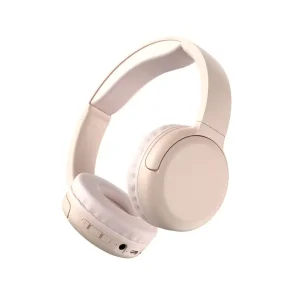
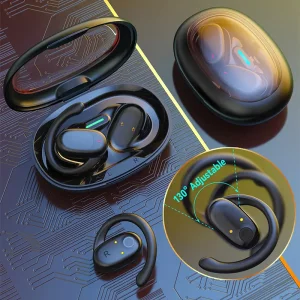
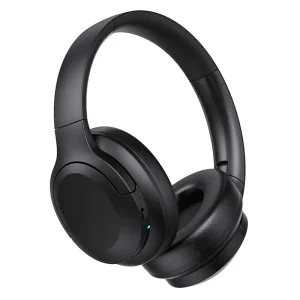
Explore high-performance acoustic solutions available for OEM white-labeling, custom tooling, and global export.
Executive Summary: The Macro Shift in Gaming Acoustics
Analyzing global supply chains, eSports growth drivers, and audio engineering paradigms for enterprise procurement.
The global market for Custom Stereo Headset Gaming Suppliers has undergone a transformative evolutionary shift over the past three years. Driven by the expansion of cross-platform eSports ecosystems, mobile gaming peripherals, and high-fidelity spatial gaming engines, modern audio procurement requires far more than aesthetic LED housings and off-the-shelf dynamic drivers. Brand owners, hardware distributors, and peripheral vendors must navigate complex technical specifications, supply chain cost structures, and strict electromagnetic compliance frameworks.
In 2025, stereo gaming headsets represent a critical revenue vertical within the consumer technology electronics landscape. While multi-channel virtual surround sound (such as 7.1 and object-based spatial audio) remains popular in marketing copy, top-tier competitive gamers and audiophiles overwhelmingly prefer high-precision acoustic stereo tuning. Pure, low-distortion stereo imaging allows players to localize directional audio cues—such as footsteps, reloading mechanics, and ambient spell casts—with sub-degree angular accuracy.
Global Market Expansion
Driven by eSports growth in APAC, North America, and LATAM, gaming headset manufacturing volume is projected to surpass 140 million units globally, demanding scalable OEM solutions.
Stereo Precision vs Surround
Acoustic engineers are shifting focus from software-simulated 7.1 clutter to dual-chamber stereo resonance, lowering Total Harmonic Distortion (THD) below 0.5% at 1kHz.
Tri-Mode Connectivity
Modern gaming hardware mandates seamless switching between 2.4GHz Ultra-Low Latency RF dongles, Bluetooth 5.4 LE Audio, and 3.5mm/USB-C passive wired back-up.
Macro Supply Chain Dynamics: Shenzhen Audio Manufacturing Hub
Over 85% of the world's custom stereo gaming headsets are developed and assembled within the Pearl River Delta, centered in Shenzhen and Dongguan, China. Shenzhen Sonun Technology Co., Ltd. (established in 2006) operates at the heart of this industrial cluster. Operating an in-house manufacturing ecosystem allows OEM/ODM clients to leverage localized component sourcing—ranging from custom Neodymium (NdFeB) magnet drivers to specialized SMT surface-mount PCB assemblies—drastically reducing NPI (New Product Introduction) cycle times.
Technical Architecture & Acoustic Engineering Roadmap
A deep dive into dynamic driver diaphragms, wireless protocols, and AI-driven beamforming microphones.
1. Acoustic Driver & Chamber Architecture
The primary sound engine of any stereo gaming headset lies in its transducer design. Premier OEM manufacturers utilize 50mm Titanium-Coated Composite Diaphragms paired with high-flux N52 Neodymium magnets. Titanium plating stiffens the inner dome, reducing breakup modes at high volume levels while maintaining rapid transient response for punchy lower frequencies.
Furthermore, the shift toward Dual-Chamber Acoustic Enclosures separates bass frequencies from mids and highs. By physically isolating the resonant acoustic space, sound waves do not muddy the voice frequencies (300Hz–3kHz), ensuring clear team communications during intense gaming sessions.
2. Wireless Protocol Engineering: 2.4GHz RF vs Bluetooth 5.4
Latency is the ultimate enemy of the competitive gamer. Traditional Bluetooth SBC codecs introduce 150ms–220ms of audio delay—unacceptable for first-person shooters (FPS). OEM suppliers implement custom 2.4GHz ISM-band proprietary RF chipsets (such as Nordic Semiconductor or PixArt solutions) achieving sub-15ms end-to-end latency via uncompressed 16-bit/48kHz transmission.
Key Acoustic Specs (Enterprise Benchmark)
| Parameter | Standard Gaming Specs | Enterprise OEM Target |
|---|---|---|
| Driver Size | 40mm Mylar Cone | 50mm Titanium Composite |
| THD (Distortion) | < 2.0% @ 1kHz | < 0.5% @ 1kHz (1mW) |
| Wireless Latency | 80ms - 120ms | < 15ms (2.4G Ultra-Low) |
| Frequency Range | 20Hz - 20kHz | 15Hz - 28kHz (Hi-Res) |
| Mic Noise Reduction | Passive Foam Windscreen | Dual-Mic AI ENC (-35dB) |
| Battery Life | 15 - 20 Hours | 50+ Hours (LE Audio) |
3. AI Environmental Noise Cancellation (ENC) Boom Microphones
Microphone voice clarity relies heavily on dual-omnidirectional MEMS microphone arrays paired with hardware DSP algorithms. By measuring the arrival time differential between the primary mouth microphone and the ambient noise microphone, neural network DSPs attenuate background mechanical keyboard clicks, PC fan noise, and ambient HVAC hum by up to 35 decibels without degrading human speech timbre.
Custom Stereo Gaming Headset OEM/ODM Pricelist Framework
Comprehensive Bill of Materials (BOM) cost allocation and volume tier quotes for wholesale buyers.
Understanding factory-direct FOB pricing structures is vital for retail buyers, Amazon brand owners, and regional electronics distributors. Below is an engineering breakdown of cost components for custom stereo gaming headsets based on volume tiers.
| Tier Category | Key Hardware Features | MOQ | Est. FOB Price (USD) | Target Retail MSRP |
|---|---|---|---|---|
| Entry Wired Stereo | 40mm Dynamic Drivers, 3.5mm + USB LED Cable, Single Mic, ABS Plastic Frame | 1,000 Units | $4.80 – $7.50 | $19.99 – $29.99 |
| Mid-Tier RGB Wired | 50mm Neodymium Drivers, USB 7.1/Stereo DAC IC, Noise-Cancelling Boom Mic, Breathable Fabric Ear Pads | 1,000 Units | $8.50 – $13.20 | $39.99 – $59.99 |
| Pro Wireless Dual-Mode | 50mm Titanium Drivers, 2.4GHz RF (<18ms) + Bluetooth 5.3, 30H Battery, Detachable AI Mic | 2,000 Units | $16.50 – $24.00 | $69.99 – $99.99 |
| Flagship Tri-Mode Spatial | 50mm Dual-Chamber Drivers, 2.4G + BT 5.4 + 3.5mm, Custom Software/EQ App, Active Haptic Bass, 50H Battery | 3,000 Units | $28.00 – $42.00 | $129.99 – $189.99 |
Bill of Materials (BOM) Allocation Breakdown
For custom ODM projects requiring private injection molds, structural toolings, and bespoke firmware apps, factory BOM expenses typically divide as follows:
Acoustics & Drivers
Transducers, acoustic damping felt, driver grilles, speaker housings.
PCBA & Chipsets
2.4G RF SOC, Bluetooth IC, power management (PMIC), RGB LEDs, DSP chip.
Mechanical & Plastics
Headband steel slider, earcups, memory foam ear cushions, rotating hinges.
Packaging & QC
Color gift box, retail blister inserts, regulatory compliance testing, final labor.
Localized Application Scenarios & Enterprise Solutions
Tailoring custom gaming headsets for specific commercial markets and user demographics.
Console & PC eSports Arenas
Commercial eSports venues require ultra-durable braided cables, reinforced steel headbands, and replaceable protein leather earpads to withstand 24/7 continuous public use and easy sanitation.
Mobile Gaming & Low Latency
With mobile eSports titles (PUBG Mobile, Free Fire) dominating SEA and LATAM markets, integrated Bluetooth 5.4 LE Audio headsets with under 45ms game-mode switching represent top retail growth drivers.
Hybrid Remote Work & Gaming
Modern professionals demand sleek, non-gamer aesthetics with flip-to-mute or detachable boom mics, allowing seamless switching between Zoom corporate meetings and late-night gaming sessions.
Technology Roadmap: Next-Gen Innovations (2025–2030)
Anticipating the next wave of industrial audio engineering and sensory hardware integration.
1. Real-Time Spatial Head-Tracking AI
Future gaming headsets will integrate 9-axis IMU (Inertial Measurement Unit) gyroscopes directly into the PCBA. Combined with edge-AI DSP algorithms, the headset re-calculates positional audio in real time based on player head movement, rendering hyper-realistic 3D soundscapes without taxing host CPU resources.
2. Planar Magnetic Transducers in Mass Manufacturing
Once reserved for audiophile equipment exceeding $500, scalable OEM automated assembly lines are making ultra-thin Planar Magnetic drivers available for mid-tier gaming headsets. Planar drivers deliver flat frequency response, near-zero phase distortion, and blistering transient speed.
3. Bio-Sensing & Thermal Comfort Fabrics
Long gaming sessions introduce thermal discomfort. Next-gen OEM designs incorporate phase-change cooling gel ear cushions covered in heat-dissipating ice-silk weave. Embedded photoplethysmography (PPG) sensors are also being trialed to track real-time heart rate and stress levels during tournament play.
OEM Strategic Advantage
Partnering early with experienced factories like Sonun Technology allows brand owners to co-develop proprietary molds and firmware features, securing patents and high-margin product exclusivity before market saturation.
More Custom Audio & Headset OEM Solutions
Browse our complete specialized inventory tailored for sports, education, smart audio, and gaming channels.
Frequently Asked Questions (Procurement FAQ)
Expert answers regarding OEM manufacturing, MOQ requirements, custom tooling, and regulatory certifications.