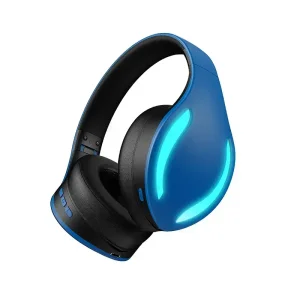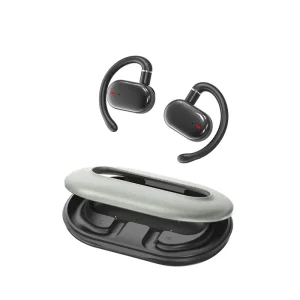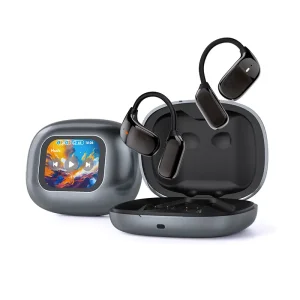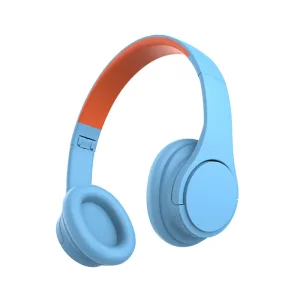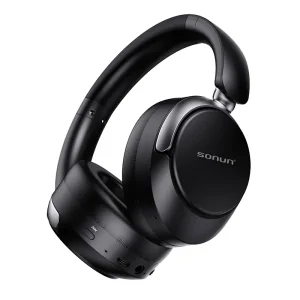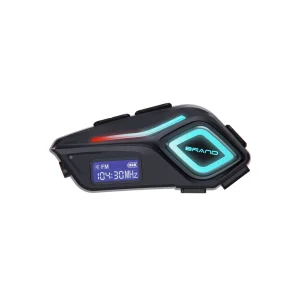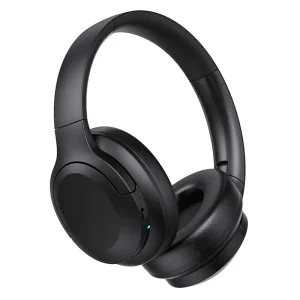
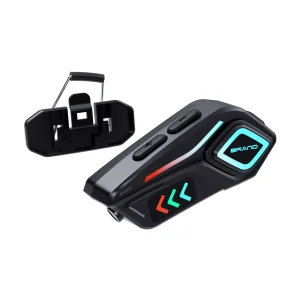
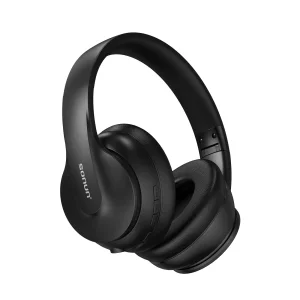
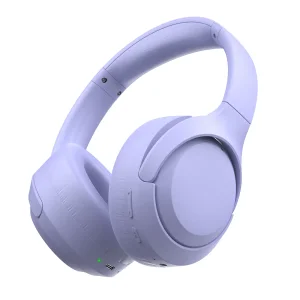
Explore our primary range of gaming and custom wireless headsets engineered with high-definition audio drivers, low-latency Bluetooth/2.4G protocols, and ergonomic designs built for high-volume OEM/ODM distribution.
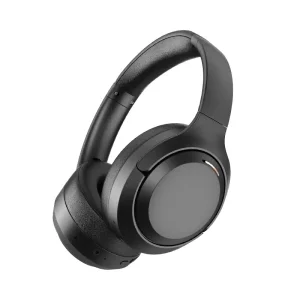
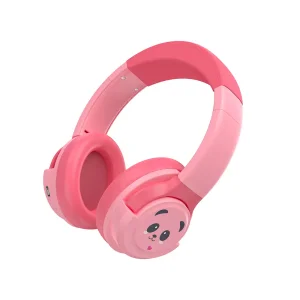
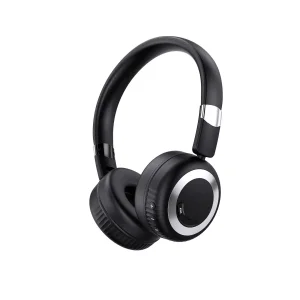
Executive Summary: The Evolution of Custom Surround Sound Gaming Audio
In the rapidly changing global interactive entertainment ecosystem, audio performance has transitioned from a basic sensory add-on to a mission-critical competitive element. The demand for high-performance Custom Surround Sound Gaming Headsets has experienced exponential growth, propelled by the rise of competitive eSports, immersive AAA open-world gaming, and cross-platform multiplayer titles. Modern gamers require precision spatial awareness—the capability to pinpoint footsteps, gunshots, and subtle environmental cues across a 360-degree soundstage in real time.
7.1 Virtual & 3D Spatial Audio
Multi-channel digital signal processing (DSP) mapping software reproduces complex multi-directional acoustics, giving competitive FPS players exact positional audio indicators.
Ultra-Low Latency Protocol
Dual-mode 2.4GHz wireless dongles paired with Bluetooth 5.4 chips reduce audio-to-visual latency below 20ms, eliminating audio desynchronization during fast-paced combat.
AI-Powered Voice Clarity
Integrated Environmental Noise Cancellation (ENC) dual-microphone arrays use deep neural network (DNN) filtering to remove ambient background noise up to 35dB.
Why Global Audio Brands Partner with China Gaming Headset Manufacturers
China’s electro-acoustic manufacturing sector, concentrated in technical hubs like Shenzhen and Dongguan, provides unmatched structural advantages for sourcing custom gaming headsets. From raw acoustic component sourcing to sophisticated automated assembly, Chinese suppliers offer an integrated supply chain ecosystem that guarantees rapid iteration, strict compliance, and favorable unit economics.
1. Fully Integrated Electro-Acoustic Ecosystem
Unlike fragmented manufacturing regions, Shenzhen’s industrial clusters host component micro-suppliers within a 30-mile radius. Diaphragm stamping, neodymium magnet sintering, voice coil winding, plastic injection molding, and Surface Mount Technology (SMT) for PCB assembly occur in parallel. This close proximity slashes prototype iteration cycles from months down to a few days.
2. Precision Acoustic Engineering & DSP Tuning
Leading Chinese OEM/ODM factories house advanced anechoic chambers, SoundCheck electro-acoustic testing suites, and Head & Torso Simulators (HATS). Experienced acoustic engineers fine-tune 50mm neodymium magnetic drivers, crafting customized frequency response curves optimized specifically for FPS positional precision, heavy bass gaming impacts, or balanced voice communications.
3. High-Throughput Automation & Scalability
Utilizing automated glue dispensers, semi-automated ear-cup assembly rigs, and robotic acoustic calibration units, modern Chinese factories ensure batch-to-batch consistency across orders exceeding 100,000 units per month. Scale efficiencies drastically lower fixed costs, granting international brands superior profit margins.
4. Rigorous International Compliance & Testing
Tier-1 Chinese factories operate under strict ISO9001, ISO14001, and BSCI management frameworks. Products are engineered from inception to satisfy stringent international certifications, including CE, FCC, RoHS, REACH, California Proposition 65, and Bluetooth SIG qualifications, streamlining frictionless global distribution.
Key Industry Development & Technological Trends
The gaming audio market is changing rapidly due to breakthroughs in wireless transmission standards, digital signal processing algorithms, materials science, and software customization. Suppliers must constantly adapt their manufacturing capabilities to meet these modern standards.
Dual-Mode Seamless Connectivity
Modern gaming headsets must feature low-latency 2.4GHz RF wireless alongside Bluetooth 5.4. This enables dual-device simultaneous connection, letting gamers answer calls on a mobile device without dropping in-game audio from their console or PC.
Hardware & Algorithmic Spatial Audio
The transition from legacy stereo drivers to physical multi-driver arrays or advanced Head-Related Transfer Function (HRTF) software algorithms delivers authentic 3D spatial surround sound, allowing precise height and depth perception in virtual worlds.
Ergonomics & Thermal Management
Long gaming sessions demand lightweight structural frames (under 270g), suspension headbands, memory foam ear cushions infused with cooling gel, and breathable protein leather, reducing fatigue and heat buildup during extended play.
Addressable RGB & Custom Aesthetics
Dynamic, customizable RGB illumination synchronized with in-game actions or music beats remains an essential aesthetic requirement for gaming setups, streamer gear, and brand identity differentiation.
AI Neural Noise-Cancelling Microphones
By embedding dedicated AI DSP microchips directly into the microphone boom, headsets can filter out keyboard clicks, fan hums, and ambient room chatter, ensuring clear voice comms during competitive matches.
Modular Drivers & App Integration
Global brands now require companion PC and mobile software applications that allow end-users to fine-tune 10-band EQ settings, modify 7.1 spatial positioning, adjust side-tone levels, and update device firmware over-the-air (OTA).
Localized Application Scenarios & Market Use Cases
Understanding localized application environments allows procurement managers to select specifications that best match end-user demands across various consumer touchpoints.
eSports Arenas & Competitive Gaming Centers
In high-density eSports venues, tournament play demands extreme passive noise isolation (high-density foam earcups) and reliable wired USB-A / 3.5mm connectors or interference-free 2.4GHz channels to prevent wireless crowded-spectrum dropouts. Microphones must feature aggressive noise suppression to block background arena applause and broadcast commentary.
Console & Living Room Entertainment Hubs
Console gaming setups (PlayStation 5, Xbox Series X, Nintendo Switch) require seamless plug-and-play USB dongle support, direct spatial audio compliance (e.g., Sony Tempest 3D Audio Tech or Dolby Atmos), and long battery operation (50+ hours per charge) to eliminate frequent charging interruptions.
Immersive VR & Metaverse Spatial Computing
Virtual Reality (VR) headset integration demands ultra-lightweight structural configurations, short modular cabling, or low-latency Bluetooth/2.4G transmission with real-time head-tracking spatial audio mapping, giving users precise directional sound as they physically rotate their heads.
Hybrid Remote Work & Streaming Workstations
Modern gamers frequently use their headsets for content creation, game streaming, and remote video conferencing. Multi-use demand requires detachable boom microphones, sleek muted aesthetics (retractable RGB or subtle branding), and all-day headband wearability.
Macro Industry Solutions & Private-Label Customization
We deliver end-to-end manufacturing solutions tailored to B2B importers, e-commerce brand owners, and global distributors seeking turn-key OEM/ODM services.
Industrial Design & Tooling
Custom housing molding, headband curvature adjustments, metallic surface treatments, UV matte coatings, and ergonomic ear-cup cavity engineering tailored to your brand identity.
Acoustic Tuning & Hardware Options
Selectable dynamic drivers (40mm to 50mm, Neodymium/Titanium/Graphene diaphragms), customizable impedance (32Ω to 64Ω), and custom hardware EQ profiles tuned specifically for FPS, RPG, or audio monitor playback.
Firmware & Software Suite
Customized Bluetooth device pairing names, localized voice prompt audio (English, Spanish, German, French), custom software suites with brand logos, graphic equalizers, and surround sound controls.
Global Procurement Strategy & Tiered Pricelist Matrix
Bulk procurement pricing varies based on hardware chipsets, acoustic driver materials, wireless technology options, and packaging requirements. Below is an indicative B2B factory-direct FOB price matrix based on order volumes and feature specifications.
| Headset Category & Tier | Key Technical Specifications | MOQ | FOB Price (500-2K Units) | FOB Price (5K-10K+ Units) |
|---|---|---|---|---|
| Entry Wired 7.1 Gaming Headset | 50mm Neodymium Drivers, USB-A Surround DSP Cable, Fixed RGB, Static Mic | 1,000 Pcs | $6.50 - $8.20 | $5.10 - $6.20 |
| Mid-Tier Dual-Mode Wireless | 2.4GHz RF + Bluetooth 5.4, 40mm Drivers, Detachable ENC Mic, 30h Playtime | 1,000 Pcs | $14.50 - $17.80 | $12.20 - $14.10 |
| Pro Spatial Audio 2.4G Headset | 50mm Titanium Drivers, 3D Spatial HRTF DSP, Software EQ Suite, 60h Playtime | 500 Pcs | $22.00 - $26.50 | $18.80 - $21.50 |
| Flagship Active ANC + 2.4G Gaming | Hybrid ANC (-35dB), Ultra-low Latency <18ms, Dual-Mic AI-ENC, RGB, Gel Ear-pads | 500 Pcs | $32.00 - $38.00 | $27.50 - $31.00 |
* Note: Prices are indicative FOB Shenzhen rates subject to finalized component bill-of-materials (BOM), custom packaging options, and exchange rate fluctuations.
Quality Assurance, Acoustic Calibration & Testing Protocols
To maintain strict quality standards across high-volume production, every headset undergoes rigorous multi-stage testing before leaving our facilities.
Acoustic Calibration
SoundCheck automated curve matching ensures balance within ±1.5dB across the 20Hz–20kHz spectrum, keeping THD below 1%.
RF Signal Testing
Comprehensive RF chamber validation tests 2.4GHz dongles and Bluetooth chips across 10-meter obstacle-free and multi-wall environments.
Durability Stress Tests
Headbands undergo over 10,000 flex tests, cable strain relief pull tests (5kg), and drop tests (1.2m) to confirm structural resilience.
Environmental & Battery
Lithium polymer batteries pass UN38.3, MSDS, and IEC62133 certifications, paired with thermal aging chamber tests up to 55°C.
Frequently Asked Questions (FAQ) for B2B Importers & Procurement
Find detailed answers to common questions asked by B2B importers, brand owners, and OEM partners when sourcing custom gaming headsets.
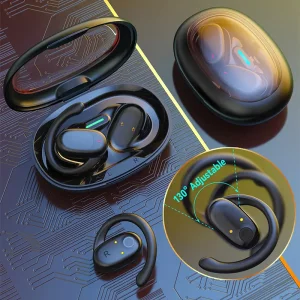
Browse our full series of specialized earphones, RGB low-latency gaming headsets, open-ear sports earbuds, and multi-functional audio products available for factory-direct OEM procurement.