
Featured Industrial Custom Audio Products
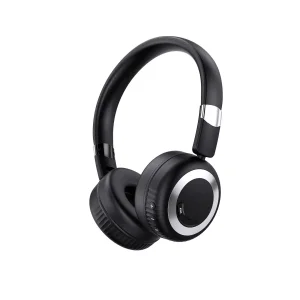
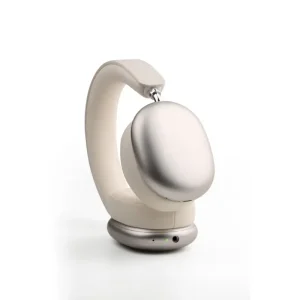
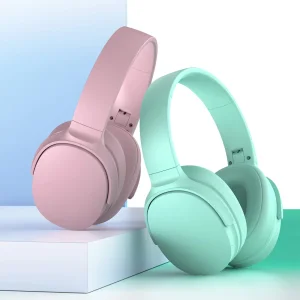
Explore our top-tier OEM & ODM wireless audio lineup, manufactured under strict ISO9001 quality controls with customizable acoustic configurations, private labeling, and regional compliance certifications.
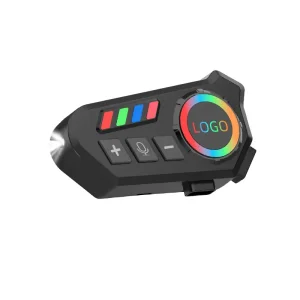
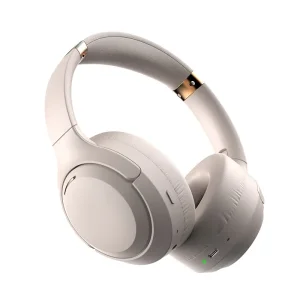
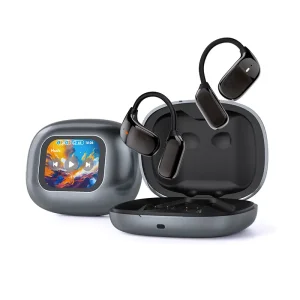
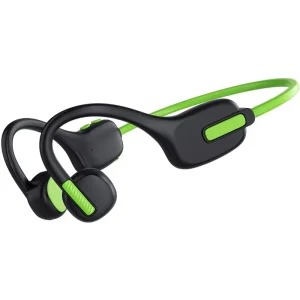
Executive Summary: The Landscape of Custom Earbud Manufacturing
As consumer audio transitions toward high-fidelity wireless, open-ear ergonomics, and AI-driven personal processing, identifying a top-tier manufacturing partner is paramount for global brands, importers, and enterprise clients.
The global True Wireless Stereo (TWS) and smart earbud sector has matured into a multi-billion-dollar industrial ecosystem. Driven by advancements in Bluetooth 5.4 System-on-Chips (SoC), active environmental noise cancellation (ENC), active noise cancellation (ANC), and specialized form factors like Open-Wearable Stereo (OWS), global brands no longer seek basic assembly factories. Instead, they demand highly integrated OEM/ODM original equipment and design manufacturers capable of providing acoustic R&D, precision injection molding, SMT surface-mount technology, automated testing, and comprehensive regional compliance clearance.
This comprehensive industry whitepaper provides an authoritative overview of global earbud manufacturing trends, supply chain economics, China's centralized industrial efficiency advantage, localized application scenarios, and key technical criteria for selecting a top-ten custom earbud factory.
1. Global Commercial & Industrial Status of Custom Wireless Earbuds
Analyzing market saturation, acoustic architectural shifts, and procurement models shaping contemporary enterprise hardware investments.
Market Segmentation & Technological Pivots
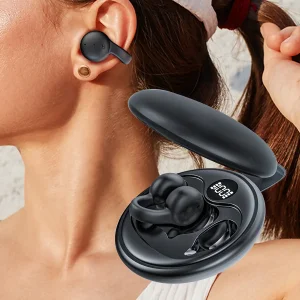
The global wireless audio market has bifurcated into distinct product verticals. While traditional in-ear silicone fit TWS earbuds continue to capture significant volume, there is a rapid surge in demand for non-intrusive form factors. Open-Ear Wearable (OWS) audio and air/bone conduction devices are experiencing explosive growth due to consumer awareness regarding tympanic safety, situational awareness, and extended wearing comfort during sports and workplace activities.
- Entry-Level / Promotional: Focuses on cost-optimized Jerry (JL) or Bestechnic chipsets, standard dynamic drivers, and rapid turnarounds.
- Mid-Tier Retail & Private Label: Features Realtek or Airoha SoCs, dual-mic ENC call isolation, hybrid ANC (-35dB depth), and customized app control.
- High-End Flagship & Enterprise: Powered by Qualcomm QCC series, LC3 audio codec support, low-latency dongles (<20ms), biometrics, and active spatial audio.
Supply Chain Cost Structure Breakdown
Understanding the Bill of Materials (BOM) allows global sourcing procurement managers to negotiate effectively and ensure transparency during factory audits:
| Component Category | Typical BOM Share | Key Quality Indicators |
|---|---|---|
| Main SoC (Bluetooth Chip) | 30% - 40% | Qualcomm, Airoha, BES, Actions; Bluetooth 5.4 stability. |
| Acoustic Drivers & Mics | 15% - 22% | Titanium/Graphene diaphragms, Knowles MEMS microphones. |
| Battery & PMIC Systems | 12% - 18% | A-grade pure cobalt cells, KC/UL certified, protection ICs. |
| Tooling, CMF & Housing | 10% - 15% | Precision ABS/PC molds, UV spray, IPX5-IPX8 sealing. |
| Assembly, QC & Testing | 8% - 12% | SoundCheck electroacoustic testing, AP555 calibration. |
2. China Factory Efficiency & Guangdong Ecosystem Superiority
Why Shenzhen, Dongguan, and Huizhou remain the indisputable global epicenters for precision earbud development and mass production.
Hyper-Clustered Industrial Supply Base
In Guangdong's Greater Bay Area, 95% of required earbud raw components—from micro-SMT resistors and battery protection boards to specialized silicone ear tips and custom packaging—are sourced within a 50-kilometer radius. This geographic concentration drastically cuts component procurement lead times from weeks to mere days.
Rapid Tooling & Prototyping Capabilities
Top-tier Chinese OEM/ODM factories utilize industrial-grade 3D SLA printing and high-speed CNC machining centers. Initial physical prototype validation can be executed within 72 hours, while custom plastic injection steel tooling cycles are compressed down to 25–35 days, accelerating time-to-market.
Automated Electroacoustic QC Testing
Advanced manufacturers integrate automated production lines equipped with Audio Precision (AP) analyzers and SoundCheck testing stations. 100% of manufactured units undergo automatic frequency response curve checks, total harmonic distortion (THD) evaluation, and phase calibration prior to final packaging.
3. Localized Application Scenarios & Customization Vectors
Modern custom earbud development requires tailoring hardware specifications, ergonomic designs, and firmware logic to dedicated end-user environments.
Sports, Fitness & Outdoor Wearables
Athletic applications require robust ingress protection (IPX7 water/sweatproofing), secure ergonomic retention systems (flexible silicone ear hooks, memory-wire neckbands), and sound profiles tuned with boosted dynamic bass response. Material selection focuses on anti-bacterial TPU coatings and corrosion-resistant charging contacts (Pogo pins with gold plating) to prevent sweat degradation.
Enterprise Unified Communications (UC) & Remote Work
For office and work-from-home environments, clarity of speech transmission overrides music reproduction dynamics. Custom specifications incorporate multi-microphone beamforming array chips driven by AI neural-network environmental noise cancellation (ENC) algorithms to eliminate up to 45dB of surrounding room noise, keyboard clicks, and HVAC hums.
EdTech & Child Safe Listening Devices
Educational institutions and pediatric brands mandate strict output sound pressure level (SPL) constraints. Custom headphones engineered for children utilize hardware-level volume limiters restricted to 85dB (standard) or 94dB (for noisier transit environments) in full compliance with WHO hearing safety benchmarks, paired with hypo-allergenic materials.
AI Smart Earbuds & Real-Time Translation
The convergence of edge-computing AI and wireless audio has birthed smart translation earbuds. Incorporating specialized firmware, customized dual-mode Bluetooth bridges, and cloud API SDK integrations (ChatGPT, Google Translate, DeepL), these devices provide low-latency bi-directional voice interpretation directly into the user's ear.
4. Technical Sourcing Matrix & Strategic Quality Standards
Essential technical requirements global procurement teams must define prior to executing high-volume OEM/ODM purchase orders.
When selecting a top-ten custom earbuds manufacturer, procurement managers must move beyond price-per-unit metrics. A rigorous vendor evaluation checklist must include hardware engineering competence, electroacoustic testing rigs, certification portfolios, and factory quality assurance protocols (AQL standards).
Acoustic Driver Specifications
Specify driver size (e.g., 6mm dynamic for deep fit, 10mm-14.2mm for open-ear/OWS), diaphragm material composition (Composite PET, Titanium plating, Graphene, or Carbon Nanotube), magnetic grade (Neodymium N52), and voice coil impedance matching.
RF Hardware & Antenna Design
RF performance dictates connection stability. Verify whether the factory uses Ceramic Chip Antennas, FPC (Flexible Printed Circuit) antennas, or LDS (Laser Direct Structuring) technology to guarantee reliable 10-15 meter wireless transmission without dropouts.
Regulatory & Environmental Compliance
Ensure the manufacturer provides authentic testing documentation for target destination markets: CE (EU), FCC (USA), RoHS/REACH (Hazardous Substances), UN38.3 & MSDS (Lithium Battery Transport Safety), and Bluetooth SIG BQB licensing.
Complete Earbud Product Portfolio & Solutions
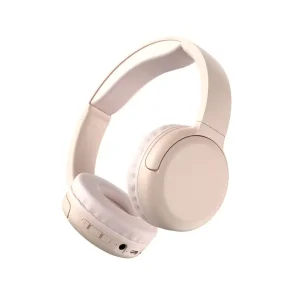
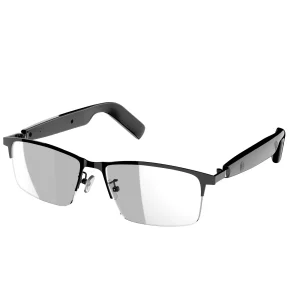
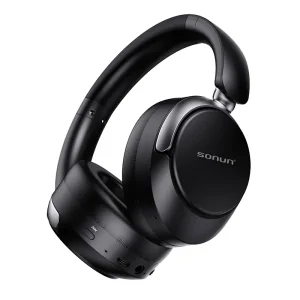
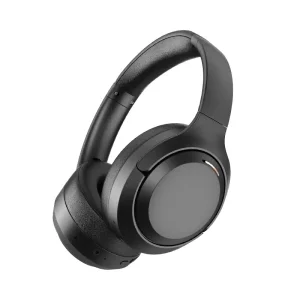
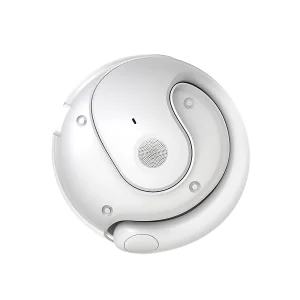
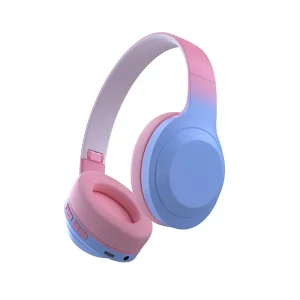
Discover addition customizable audio solutions available for volume wholesale, private brand labeling, and specialized industrial engineering projects.

Frequently Asked Questions (Sourcing & Procurement FAQ)
Detailed answers addressing common inquiries from enterprise buyers, brand managers, and sourcing agents evaluating earbud manufacturing partnerships.