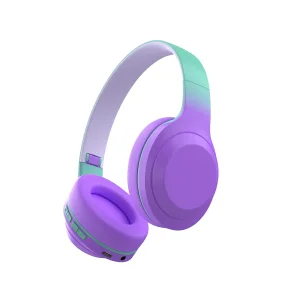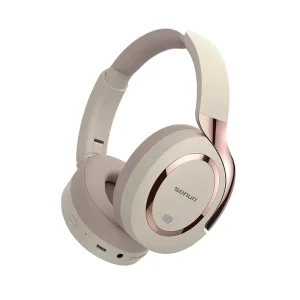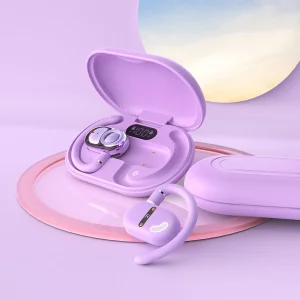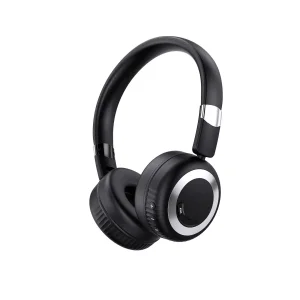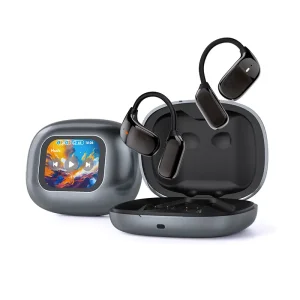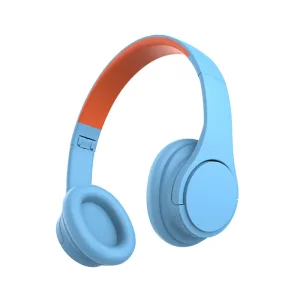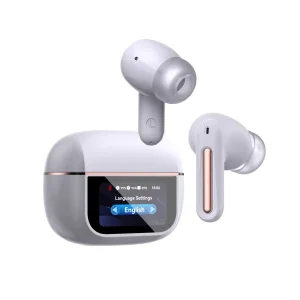
Featured ODM/OEM Headphone Series (Top Tier)
High-performance acoustic solutions engineered for global export and private-label distribution.
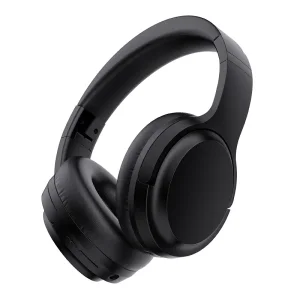
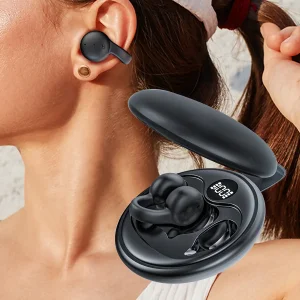
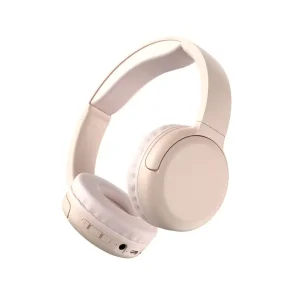
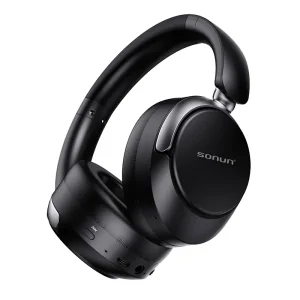
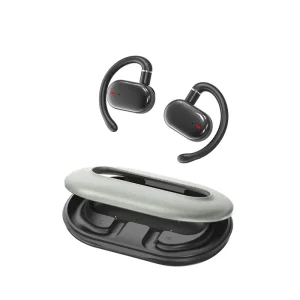
Global Commercial & Industrial Landscape of Gaming Audio Hardware
Understanding the shift toward high-durability, ultra-ergonomic gaming peripherals in international B2B supply chains.
Evolution of User Intent & Sourcing Shift
The global gaming hardware sector has evolved rapidly from purely aesthetics-driven RGB headsets to prioritizing long-session ergonomics, acoustic precision, and cross-platform versatility. Modern gamers, esports professionals, and remote office hybrid users demand headsets capable of sustained 8+ hour wear without heat accumulation, temporal pressure points, or neck fatigue. For global brands and ODM exporters, this shifts the manufacturing priority toward acoustic tuning, clamp force calibration, and advanced thermal management materials.
The Shenzhen ODM Manufacturing Advantage
As the world's primary audio hub, Shenzhen provides unmatched Bill of Materials (BOM) integration. From custom 50mm dynamic driver diaphragm pressing to specialized memory foam molding and dual-mode 2.4GHz/Bluetooth 5.4 chipset programming, Chinese original design manufacturers (ODMs) offer scalable production lines. Global exporters leverage these direct factory capabilities to achieve strict compliance, rapid tooling turnaround, and competitive unit pricing.
Engineering Comfortable Gaming Headsets: Technical Metrics
Key physical and acoustic parameters engineered to achieve superior long-session comfort and gaming clarity.
Clamping Force Optimization
The headband clamping force directly determines wearer comfort and acoustic seal. Our engineering benchmarks dictate an optimal range of 3.2 N to 4.2 N (Newtons) across standard head breadth spectrums (145mm to 165mm). Forces exceeding 4.8 N trigger jaw fatigue (temporomandibular joint stress), while forces below 2.8 N degrade low-frequency bass seal.
Ear Cushion Material Science
To mitigate ear-cup thermal buildup, our ODM designs incorporate hybrid cushions featuring high-density (45 kg/m³) slow-rebound memory foam wrapped in breathable ice-silk fabric contact surfaces with protein leather outer ring seals. Integrated cooling-gel layers reduce contact area skin temperature by up to 2.8°C during prolonged gameplay.
Kinematic Weight Distribution
Keeping raw headset mass under 275 grams (for wireless models including lithium battery) is achieved via glass-fiber reinforced headband frames and hollowed aluminum yoke geometry. Floating suspension headbands dynamically distribute load across 38 cm² of cranial surface area to eliminate vertex pressure points.
Acoustic performance relies on customized 50mm dynamic drivers utilizing N52 Neodymium magnets and PET-Titanium composite diaphragms. Tuning is optimized for HRTF (Head-Related Transfer Function) spatial positional cues: a linear midrange response combined with precise high-frequency staging (+3dB boost at 2.5kHz - 5kHz) ensures footstep detection and directional gunshots without causing acoustic fatigue.
| Specification Metric | Standard OEM Baseline | Premium ODM Benchmark | Impact on User Ergonomics & Performance |
|---|---|---|---|
| Headset Mass (g) | 320g - 360g | 240g - 275g | Reduces cervical spine stress by up to 32% during 4+ hour sessions. |
| Clamping Force (N) | 4.8 N - 5.5 N | 3.4 N - 4.1 N | Eliminates cranial pressure headaches while maintaining passive noise isolation. |
| Wireless Latency (ms) | 40ms - 80ms (Standard BT) | 12ms - 18ms (2.4GHz LC3) | Enables real-time lipsync and immediate spatial audio response in competitive FPS games. |
| Ear Cushion Fill | Standard Foam (25 kg/m³) | Cooling Gel + Memory Foam (50 kg/m³) | Dramatically reduces heat retention and prevents ear cartridge cartilage compression. |
| Mic SNR & ENC Tech | Single Omnidirectional (-42dB) | Dual MEMS Beamforming (-48dB ENC) | Suppresses up to 35dB of ambient room noise for crystal-clear voice comms. |
Localized Application Scenarios & Commercial Segments
Customizing ODM gaming headsets for specialized industrial, commercial, and retail channel specifications.
Competitive Esports Arenas
Requires extreme passive noise isolation (high-density acoustic chamber walls, target >22dB attenuation at 1kHz) combined with ultra-clear detachable boom microphones to prevent background stadium noise leakage into tournament comms.
Cybercafes & iCafe Chains
Focuses on maximum structural durability: steel-reinforced swivels, strain-relieved braided cables (20,000+ flex cycles test), anti-theft lock connectors, and easily replaceable snap-on ear cushions for daily sanitization.
Hybrid Work & Gaming
Demands subtle design language (retractable or stowable boom mics, neutral colorways), dual connectivity (2.4GHz dongle for PC + Bluetooth 5.4 for smartphone calls), and continuous 40+ hour battery life for multi-day usage.
VR & Immersive Simulation
Requires ultra-short latency wired or wireless connections, lightweight open-back or ventilated acoustic designs to prevent spatial disorientation, and short-length custom angled 3.5mm jack inputs tailored for VR headsets.
ODM Technology Roadmap & Future Outlook (2025–2030)
Next-generation hardware capabilities currently in ODM development and prototyping pipelines.
AI-Driven Adaptive ANC & Voice Separation
Integrating neural processing units (NPUs) into headset DSPs to dynamically filter out mechanical keyboard clack, vacuum cleaners, and background chatter while maintaining natural voice timbres via deep-learning noise suppression.
LE Audio & LC3/LC3plus Integration
Transitioning from legacy SBC/AAC codecs to Bluetooth LE Audio with LC3 compression. This yields superior audio fidelity at half the bit-rate, reduces wireless power consumption by 40%, and enables multi-receiver audio broadcasting.
Biometric & Modular Hardware Integration
Incorporating heart-rate photoplethysmography (PPG) sensors and micro-thermal sensors directly inside the ear-cup cushion wall. Modular architectures allow easy DIY swapping of boom mics, headband straps, and batteries for zero-waste circular lifecycles.
Macro Industry Solutions: From Design Brief to Export Delivery
Streamlined end-to-end OEM/ODM manufacturing workflows for enterprise brand partners.
1. CMF & Tooling Customization
Complete custom Colors, Materials, and Finishes (CMF). Choice of metallic spray paints, rubberized matte coatings, laser-etched RGB light guides, and CNC machined aluminum badges. New tooling molds executed in 28 to 35 business days.
2. DSP & Firmware Tuning
Factory-flashed microcode customized with your brand's unique startup sound prompts, personalized EQ acoustic curves (FPS Mode, MOBA Mode, Music Mode), and localized voice prompt languages (EN, DE, JP, ES, FR).
3. QA & Acoustic Testing
Every batch undergoes testing in anechoic chambers using Bruel & Kjaer HATS (Head and Torso Simulators). Mechanical testing includes 10,000 headband stretch cycles, micro-drop testing (1.2m onto concrete), and thermal-humidity aging.
4. Certification & Export
Full compliance management for target import regions: CE, FCC, RoHS, REACH, CA Prop 65, TELEC, and KC certification dossiers ready for customs clearance. Turnkey packaging designs with FSC-certified eco-friendly gift boxes.
ODM Gaming Headset Wholesale Pricelist & Cost Drivers
Transparent FOB Shenzhen tier estimates to assist brand procurement and supply chain budgeting.
| Headset Product Category | Key Hardware Features & Specifications | MOQ 1,000 units (FOB) | MOQ 5,000 units (FOB) | MOQ 20,000+ units (FOB) |
|---|---|---|---|---|
| Entry-Level Wired Gaming | 40mm Drivers, Single PVC Cable, Rotatable Mic, Mesh Cushions | $4.80 - $5.50 | $4.10 - $4.60 | $3.50 - $3.90 |
| Mid-Tier 2.4G + BT Wireless | 50mm Neodymium Drivers, 2.4GHz USB Dongle, 30H Battery, Memory Foam | $14.50 - $16.80 | $12.80 - $14.20 | $11.20 - $12.30 |
| Pro Esports Ergonomic ANC | 50mm Titanium Drivers, Dual MEMS ENC Mic, Active Noise Cancellation, Ice-Silk Gel | $22.00 - $25.50 | $19.50 - $21.80 | $17.20 - $18.90 |
| Ultra-Low Latency Tri-Mode | 2.4G / BT 5.4 / 3.5mm Wired, OLED Battery Indicator, Custom RGB, 60H Battery | $28.50 - $32.00 | $24.80 - $27.50 | $21.50 - $23.80 |
Unit pricing varies depending on three main factors: 1) Wireless Chipset Selection (Nordic / PixArt / Realtek low-latency ICs vs. generic Bluetooth solutions); 2) Ear Cushion Material Chemistry (Cooling-gel composite foam vs. standard polyurethane); and 3) Acoustic Certification Requirements (Hi-Res Audio certification, Dolby Atmos licensing readiness, or specialized lab test documentation).
Frequently Asked Questions (B2B ODM Sourcing)
Expert responses to critical questions buyers ask prior to initiating manufacturing contracts.
Full ODM & OEM Product Catalog Selections
Explore our extended headphone, earbud, and specialized wearable audio hardware portfolio.