Tier-1 Factory ODM & OEM Earbud Offers
Direct-from-factory quotes and customizable hardware designs equipped with Bluetooth 5.4, Active Noise Cancellation, and Low-Latency DSP architecture.
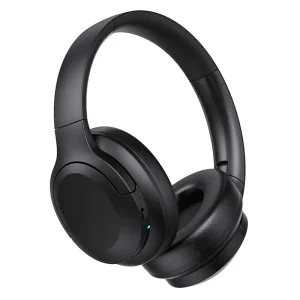
China Heavy Bass ODM Wireless Over-Ear Headset with Mic, Custom Branding
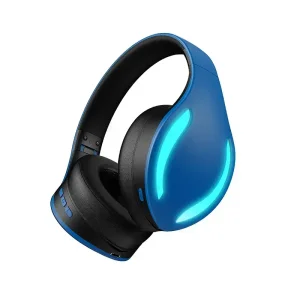
ODM OEM Low Latency RGB Light Gaming Headsets Exporter & Quotes
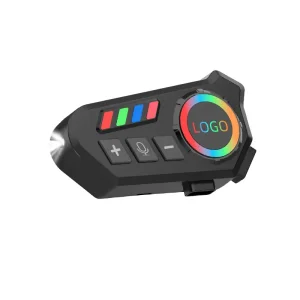
OEM Bluetooth 5.4 Wireless Helmet Headset 33H Battery Life for Business

ODM Open Ear Earphones with Custom Logo - Comfortable Bluetooth 5.4
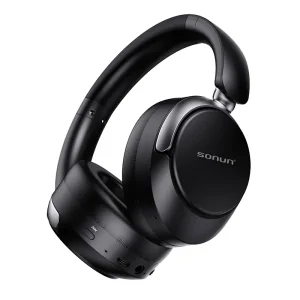
Customizable OEM Over-Ear Wireless Headset Heavy Bass & Mic Quotes
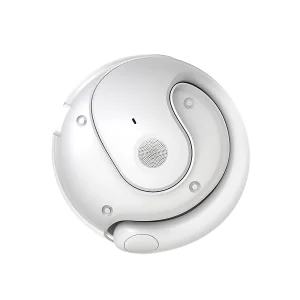
ODM AI Language Translator Open-Ear Bluetooth Earbuds App Control
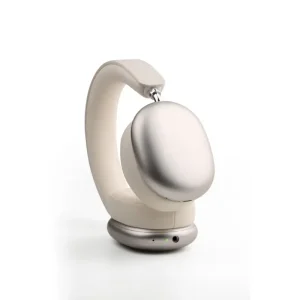
ODM OEM Active Noise Cancelling Wireless Headphones with ENC
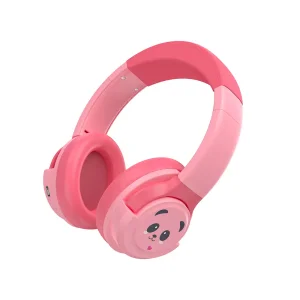
ODM BL35 Touch Button Wireless Kids Headphone 60+ Hours Battery
Macro Dynamics in Global ODM Earbud Manufacturing
Analyzing shifting supply chain economics, acoustic engineering benchmarks, and volume RFQ parameters for corporate enterprise buyers in 2025–2030.
1. The Evolving Landscape of B2B Earbud Sourcing & Factory Quotes
The global consumer electro-acoustics market is undergoing a structural paradigm shift. No longer constrained to traditional True Wireless Stereo (TWS) in-ear form factors, the industry has diverged into specialized acoustics: Open-Wearable Stereo (OWS), AI-integrated smart translation earbuds, hyper-durable sports wear, and high-precision spatial gaming headsets. For global enterprise buyers, retail brand managers, and tier-1 electronics distributors, securing competitive ODM earbud quotes requires a deep understanding of underlying engineering architecture, component costs, and factory-level production yields.
When evaluating an Original Design Manufacturer (ODM) vs. an Original Equipment Manufacturer (OEM), procurement executives must look beyond surface unit prices (FOB/CIF). A comprehensive quote analysis evaluates dynamic variables including Chipset System-on-Chip (SoC) integration, Acoustic Chamber Driver design, Active Noise Cancellation (ANC) tuning, Printed Circuit Board Assembly (PCBA) density, automated SMT testing protocols, and international regulatory compliance overheads.
Information Gain Key Takeaway: Traditional RFQs that only compare basic FOB price points fail to capture total cost of ownership (TCO). True margin advantage is unlocked by optimizing initial NRE (Non-Recurring Engineering) tooling costs against long-term BOM yields and localized compliance readiness.
As wireless audio protocols advance toward Bluetooth 5.4 and LE Audio (Low Energy Audio featuring LC3 codecs), contract manufacturing hubs in Shenzhen and Guangdong continue to dominate the global supply matrix. A streamlined ODM partner provides not merely automated assembly lines, but turnkey engineering solutions—from industrial design (ID) rendering and 3D prototyping to custom acoustics calibration and localized regulatory packaging.
Enterprise Sourcing & Bill of Materials (BOM) Breakdown
Deconstructing the unit cost matrix, Minimum Order Quantities (MOQs), and tooling amortizations for high-volume audio production.
SoC Chipset & DSP Engine
Accounting for 30%–45% of total PCBA costs. Premium quotes incorporate Realtek, BES, Airoha, or Qualcomm platforms capable of hybrid ANC, dual-mode Bluetooth 5.4, and low-latency gaming protocols.
Acoustic Drivers & Chambers
Driver diaphragms (Titanium-coated, Graphene, or Dynamic Bio-cellulose ranging from 6mm to 16.2mm for OWS) determine frequency response curve dynamics and soundstage clarity.
Battery Management & Protection
Safety-certified Lithium-ion pouch and button cells featuring dedicated IC protection circuits prevent swelling, overheating, and loss of cycle capacity over 500+ charges.
Comparative Cost-Benefit Matrix: Off-the-Shelf vs. Full ODM Tooling
Enterprise procurement officers must navigate the strategic trade-offs between standard white-label private branding and complete proprietary ODM custom molding. The table below outlines key parameters evaluated during high-volume sourcing audits:
| Sourcing Metric | Standard OEM Private Label | Custom ODM Tooling & Architecture |
|---|---|---|
| Initial NRE / Tooling Cost | $0 – $1,500 (Logo & Packaging tooling only) | $15,000 – $45,000 (Steel injection molds & PCB layout) |
| Development Lead Time | 2 – 3 Weeks to Mass Production | 8 – 14 Weeks (Design, T1 sample, Acoustic tuning) |
| Minimum Order Quantity (MOQ) | 1,000 – 2,000 Units | 3,000 – 5,000 Units per run |
| Market Differentiation | Moderate (Shared aesthetic form factor) | Maximum (100% Proprietary IP & Design Patents) |
| Target Gross Margins | 35% – 50% Retail Margin | 60% – 80% Retail Margin |
Tailored Acoustic Hardware for Specialized Industry Verticals
Enterprise wireless audio solutions optimized for gaming, equestrian & cycling helmets, educational compliance, and AI-enabled cross-lingual communication.
Low-Latency eSports Gaming Headsets
Featuring 2.4GHz Ultra-low latency dongle integration (<20ms), multi-zone RGB lighting arrays, detachable ENC boom microphones, and custom EQ presets for spatial audio positional awareness in competitive eSports channels.
OWS & Open-Ear Air Conduction
Engineered with directional sound transmission algorithms to prevent sound leakage, liquid silicone memory wire earhooks, and IPX7 waterproof nano-coatings tailored for extreme sports and outdoor situational awareness.
Cycling & Riding Helmet Systems
Ruggedized internal helmet communication systems with high-wind noise suppression microphones, FM radio modules, tactile gloved-hand button layouts, and extended 33H+ lithium battery endurance for industrial & recreational riders.
AI Translation & Smart Wearables
Integrating dedicated mobile SDKs and Cloud AI engine connectivity for zero-latency bidirectional voice translation across 40+ languages, combined with health tracking PPG optical biometric sensors.
Auditory-Safe Kids Headsets
Factory-calibrated hardware volume limiters (85dB / 94dB WHO standards), ultra-durable food-grade non-toxic plastics, foldable flex-headbands, and shared audio daisy-chain jack ports for classroom environments.
Hybrid ANC Corporate Communications
Dual FF+FB feedforward/feedback noise reduction delivering up to -42dB active cancellation depth, paired with dual-mic Environmental Noise Cancellation (ENC) beamforming for office call clarity.
Engineering Trends Reshaping Next-Gen Wireless Audio
A technical dive into Bluetooth 5.4, LE Audio architecture, AI-driven adaptive soundscapes, and advanced electro-acoustic transducers.
Architectural Shift 1: Bluetooth 5.4, LE Audio & LC3 Codec Integration
The adoption of Bluetooth 5.4 marks a fundamental milestone in wireless audio transmission. The transition from legacy SBC/AAC codecs to the LC3 (Low Complexity Communication Codec) allows ODM factories to achieve significantly higher audio fidelity at less than half the bit rate. This drastically reduces current consumption on the PCBA, extending battery operational lifespans from standard 6 hours up to 12+ hours per single charge without increasing lithium-ion physical dimensions.
Furthermore, Auracast™ broadcast audio capability is now built directly into top-tier ODM chipsets. Enterprise buyers can offer products capable of receiving synchronized public audio broadcasts in airports, conference centers, and multi-screen sports venues—opening up entirely new enterprise promotional and B2B deployment channels.
Architectural Shift 2: Adaptive Hybrid ANC & AI-DSP Noise Suppression
First-generation Active Noise Cancellation relied on fixed gain curves that frequently caused user ear pressure (acoustic fatigue). Modern ODM production lines utilize Adaptive Hybrid ANC, leveraging inside and outside MEMS microphones that continually sample ambient room acoustic profiles at 48kHz. The internal Digital Signal Processor (DSP) calculates inverse phase soundwaves in real-time, dynamically tuning cancellation depth based on ear canal seals and external wind velocities.
Shenzhen Manufacturing Standards & Quality Control
Inside the electro-acoustic production workflow: From automated Surface Mount Technology (SMT) to SoundCheck testing chambers.
Automated SMT & AOI Inspection
High-speed Yamaha/Panasonic SMT lines place micro-components onto high-density PCBAs. Automated Optical Inspection (AOI) scans 100% of boards for solder bridge defects and component alignment before encapsulation.
Acoustic Anechoic Chamber Testing
Every batch undergoes automated frequency curve curve-matching against golden reference samples using Head Acoustics or Audio Precision (APX555) analyzers, verifying THD (Total Harmonic Distortion) <1%.
Environmental & Life Aging Stress Tests
Products are subjected to extreme thermal cycling (-20°C to +65°C), salt spray corrosion tests, button actuation lifetime endurance (50,000+ clicks), and tumble drop reliability checks before mass release.
International Regulatory Compliance & Supply Chain Security
Ensuring frictionless cross-border customs entry and market legality across North America, the European Union, UK, and Asia-Pacific regions.
Global Regulatory Compliance Baseline
Exporting wireless audio devices requires rigorous adherence to regional electromagnetic compatibility, RF frequency allocation, environmental chemical restrictions, and battery safety laws. Professional ODM factories provide complete pre-certification testing documentation to reduce time-to-market:
North America (US & Canada)
FCC ID (Part 15C), California Proposition 65 chemical screening, NRTL safety, and UN38.3 + MSDS battery air shipment certification.
European Union (CE / RED)
Radio Equipment Directive (RED), RoHS 2.0 hazardous substance compliance, REACH SVHC testing, and WEEE recycling registration.
Asia-Pacific & Japan
TELEC / MIC radio certification for Japan, KC certification for South Korea, and SRRC radio approvals for mainland China distributions.
Additional Factory Offers & Specialty Audio Molds
Explore sports ear-hook earbuds, riding communication systems, long-battery life kids headsets, and custom deep-bass headphones ready for immediate OEM production.
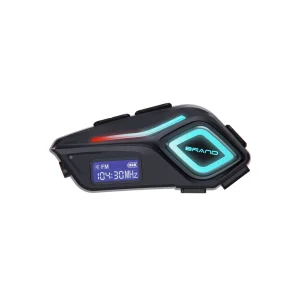
ODM OEM Bluetooth Riding Headset with FM Radio & Hands-Free Calling
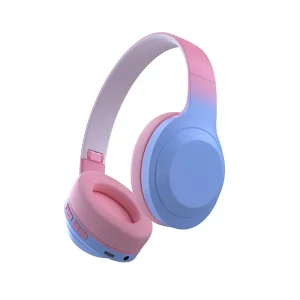
China B11 Foldable Wireless Over-Ear Kids Headphones - Long Battery
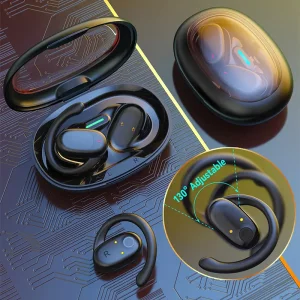
OEM 15hrs Playtime Wireless Sports Earbuds with Mic - China Factory
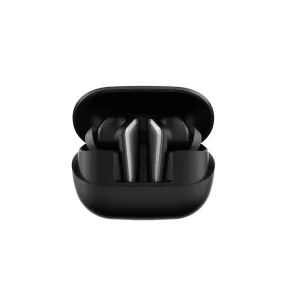
ODM China OEM Wireless 5.4 Bluetooth Earbuds with Voice Control
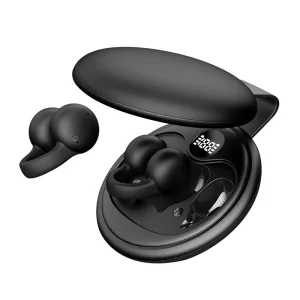
China Hi-Res Audio Ultra Light Sports Earbuds Wireless with Mic
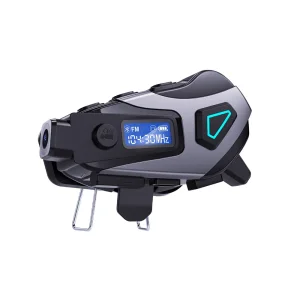
OEM Customizable Bluetooth Helmet Headset with FM Radio - Voice Assistant
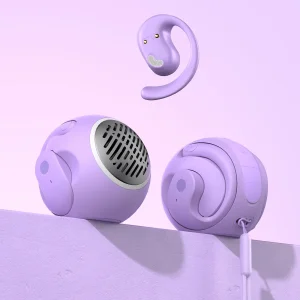
Custom OEM Ball Shape Ear-Hook Wireless Earphones & Speaker Combo
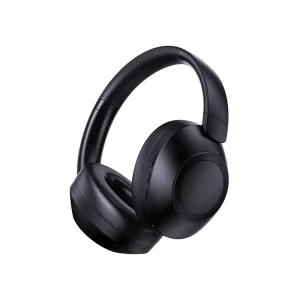
Custom LOGO Passive Deep Bass Headphones - Rotatable 50+ Hours
Frequently Asked Questions (FAQ) for ODM Sourcing
Expert engineering and commercial guidance for purchasing officers preparing high-volume earbud RFQs and factory audits.
What is the typical turnaround lead time from initial RFQ to golden sample approval for ODM projects?
For standard OEM private labeling (using existing open tooling with customized laser-engraved logos, Pantone color matching, and custom retail gift boxes), lead time is typically 15 to 20 days. For full custom ODM tooling projects (including industrial aesthetic 3D rendering, acoustic chamber calculation, PCB layout design, and T1 plastic injection trials), golden samples are delivered in 35 to 45 business days depending on mold complexity and ANC algorithm tuning requirements.
How do ODM factories calculate Non-Recurring Engineering (NRE) tooling charges?
NRE charges cover CAD/UG structural engineering, steel injection mold machining (usually S136 or NAK80 hardened steel for 500,000-shot mold life), PCB layout design, and acoustic jig fabrication. NRE cost averages between $15,000 and $35,000. Most tier-1 factories offer an NRE rebate program where tooling charges are 100% refunded once mass production volume reaches a pre-agreed threshold (e.g., 50,000 units within 12 months).
What key acoustic parameters should be specified in an ODM technical specification sheet?
A comprehensive engineering specification sheet should explicitly define: Driver Diameter & Impedance (e.g., 10mm Dynamic Graphene, 32Ω ±15%), Target Frequency Curve (e.g., 20Hz–20kHz aligned with Harman Target Curve), Total Harmonic Distortion (THD <1% at 1kHz 94dB SPL), Active Noise Cancellation Bandwidth & Depth (e.g., Hybrid ANC -38dB to -42dB across 50Hz–1.5kHz), Bluetooth Chipset Protocol (Bluetooth 5.4 LE Audio ready), and IPX Waterproof Rating (e.g., IPX5 or IPX7 nano-coated).
How are Minimum Order Quantities (MOQs) structured for custom colors and custom firmware?
Standard factory MOQs start at 1,000 units per colorway for existing stock tooling with standard packaging. For custom Pantone color injection molding, MOQ is usually 2,000 to 3,000 units to justify plastic raw material dye-mixing minimums. Custom Bluetooth firmware (e.g., custom pairing names, localized voice prompt language recordings, custom companion app integration, and tailored touch-control mappings) requires an MOQ of 3,000 units or a nominal software development setup fee.
What quality control inspection standards (AQL) are applied prior to ex-factory shipment?
Tier-1 acoustic factories adhere strictly to ISO9001 quality management systems and ANSI/ASQ Z1.4 (ISO 2859-1) sampling procedures. Critical defects (e.g., battery safety hazards, exposed wiring) have an AQL benchmark of 0. Major defects (e.g., audio dropouts, Bluetooth pairing failure, ANC hiss noise, plastic cosmetic cracks) are held to AQL 0.65 or 1.0. Minor defects (e.g., minor packaging scuffs, slight color variance) are held to AQL 2.5.