
Featured ODM/OEM Active Noise Cancelling Lineup
Direct factory-engineered wireless audio platforms equipped with Bluetooth 5.4, hybrid ANC/ENC digital architectures, and fully customizable industrial designs.

The Evolution of Wireless Noise-Cancelling Audio Tech
Understanding the paradigm shift from single-feedforward acoustic suppression to multi-core hybrid ANC, neural network DSP algorithms, and open-ear acoustic steering.
The global market for wireless noise-cancelling earphones has fundamentally transformed over the past five years. Where basic passive sound isolation once defined consumer expectations, modern procurement demands Adaptive Hybrid Active Noise Cancellation (ANC) capable of dynamically altering attenuation profiles based on real-time ambient acoustic monitoring. Enterprise buyers sourcing through ODM (Original Design Manufacturer) channels are no longer purchasing off-the-shelf plastic housings; they are acquiring complex Electro-Acoustic Platforms integrated with specialized System-on-Chips (SoCs), ultra-low noise MEMS microphone arrays, and sophisticated digital signal processing (DSP) firmware.
At the core of this technical evolution is the shift from analog noise-inversion circuits to digital dual-core DSP architectures. Modern ODM noise-cancelling platforms utilize Feedforward (FF) + Feedback (FB) micro-microphone setups. The Feedforward microphone, situated on the exterior of the earphone housing, captures external acoustic waves before they enter the ear canal. Concurrently, the Feedback microphone positioned inside the acoustic cavity measures the exact acoustic output reaching the eardrum, allowing the internal DSP to calculate and execute real-time phase-inverted anti-noise waves within milliseconds.
AI Environmental Noise Cancellation (ENC)
Multi-microphone beamforming arrays driven by deep neural network (DNN) algorithms isolate human vocal frequencies from background environmental clutter, guaranteeing crystal-clear voice transmission during corporate calls or hazardous industrial operation.
Open Wearable Stereo (OWS) Steering
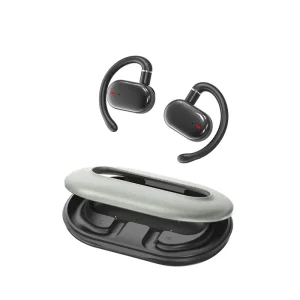
The emerging non-in-ear audio market utilizes reverse-phase acoustic wave directional transmission to project sound directly into the ear canal while suppressing sound leakage, achieving high situational awareness without sacrificing bass response.
High-Resolution Audio Codecs
Support for next-generation Bluetooth LE Audio, LC3, LDAC, and aptX Adaptive guarantees robust wireless bandwidth, transmitting 24-bit/96kHz audio with minimal packet loss over complex wireless RF environments.
Global Procurement Dynamics & B2B Sourcing Intent
Analyzing key market triggers, enterprise tier breakdowns, and total cost of ownership (TCO) considerations for international importers and brand managers.
Procurement officers and audio product managers navigating China's manufacturing ecosystems face distinct economic and structural choices. Sourcing wireless noise-cancelling earphones involves balancing unit costs (BOM - Bill of Materials), custom tooling amortizations, firmware localization, and strict international trade compliance. Based on deep supply chain analysis, global buyer intent falls into three operational tiers:
| Procurement Tier | Primary Sourcing Objective | Key Hardware Requirements | Compliance & Quality Focus |
|---|---|---|---|
| Tier-1 Consumer Brands | Proprietary ODM Molds & Custom Sound Signatures | Dual-core High-end SoC (Qualcomm/BES), Custom Target Curve EQ, Hybrid ANC (-45dB) | Full CE-RED, FCC ID, Anatel, KC, REACH, Zero-Defect AQL 0.4 Inspection |
| E-Commerce DTC & Retail Brands | Rapid Turnaround, Low MOQ, Competitive FOB Pricing | Pre-certified Private Label Molds, Bluetooth 5.4 (JL/Airoha), Standard ANC/ENC | CE, RoHS, FCC Part 15B, Amazon FBA Compliant Packaging |
| B2B Enterprise & Educational | Durability, Hearing Protection, Long Standby | Safe Volume Limiter (85dB/93dB), Reinforced Plastics, ENC Microphone Boom | EN50332 Acoustic Safety, IPX5 Water Protection, RoHS Material Clearance |
To eliminate procurement risk, global buyers must demand transparent RFQ breakdowns from noise cancelling exporters. A standard professional ODM quotation must itemize: Chipset Master IC model, Battery Cell Brand and Protection Board Circuitry, Dynamic Driver Diaphragm Material (e.g., Titanium Plated, PET, Composite Biological Membrane), ANC Mic Signal-to-Noise Ratio (SNR), and Packaging Shell Surface Treatment (UV Coating, Rubberized Paint, Metallic Electroplating).
Macro Industrial OEM/ODM Architecture Roadmap
From initial Industrial Design (ID) sketches to mass production tooling and acoustic chamber tuning: How custom noise-cancelling platforms are brought to market.
1. Electro-Acoustic Engineering
Utilizing SoundCheck acoustic analyzer software and Head & Torso Simulators (HATS) to craft precise acoustic cavity volumes. Dynamic drivers are matched with acoustic mesh resistance to prevent back-pressure distortion, achieving pristine Harman-Curve acoustic fidelity.
2. Mechanical Tooling & Mold Precision
Precision CNC plastic injection tooling with tolerances engineered within ±0.02mm guarantees watertight IPX7 assembly sealing, seamless hinge rotatability for over-ear platforms, and long-term mechanical stress resistance under extreme daily use.
3. Custom Firmware & App Integration
Complete software customization including BLE OTA updates, localized voice prompts (English, Spanish, German, French, Japanese), multi-preset graphic EQ controls, touch sensor key remapping, and white-label iOS/Android smartphone companion apps.
Localization Support, Compliance & Quality Safeguards
Navigating global regulatory barriers, electromagnetic compatibility (EMC), environmental directives, and rigorous factory quality control protocols.
Exporting wireless noise-cancelling equipment globally requires strict adherence to international legal frameworks. Failure to comply can lead to customs seizures, heavy regulatory fines, and Amazon account suspensions. A tier-1 China manufacturing partner guarantees compliant bill of materials from day one.
North American Regulations
Strict compliance with FCC Part 15 Subpart C for intentional radiators, ensuring RF power output and frequency spectrum stability. Battery safety validated via UN38.3, UL1642, and UL2054 transport certifications.
European Union Directives
Full alignment with CE-RED (Radio Equipment Directive), RoHS 2.0 heavy metal restrictions, REACH SVHC chemical safety compliance, and WEEE waste electronics recycling framework registration support.
Acoustic Health & Safety
Compliance with EN50332-1/2 standards governing sound pressure level limits for personal music players, protecting end-user hearing health via hardware max-volume clamps and intelligent listening duration limiters.
Technology Roadmap: Next-Gen Noise-Cancelling Audio
Exploring upcoming technological breakthroughs: Bluetooth 6.0 Channel Sounding, Spatial Audio with Dynamic Head Tracking, and Neural-NPU Integrated ANC.
As we look toward the next three to five years, the wireless audio manufacturing landscape is shifting from reactive noise cancellation to predictive acoustic intelligence. Exporters and ODM engineering hubs are investing heavily in several key innovation vectors:
1. Bluetooth 6.0 & Channel Sounding: The advent of Bluetooth 6.0 introduces true centimeter-level spatial distance measurement. Integrated into wireless noise-cancelling headphones, this enables precise object tracking via global "Find My" networks while reducing wireless link latency to ultra-negligible levels.
2. On-Device Neural Processing Units (NPUs): Future ANC chipsets will incorporate dedicated ultra-low-power AI accelerators. Rather than relying on simple static filters, these NPUs run real-time acoustic scene classification—instantly distinguishing between a jet engine's rumble, a baby's cry, or wind noise, and dynamically tailoring the phase-inversion curve without introducing audio distortion.
3. Spatial Audio with Dynamic Head Tracking: Enterprise ODM suppliers are embedding 6-axis IMU sensors (gyroscope + accelerometer) directly onto the earphone PCB. Coupled with proprietary spatializer algorithms, this creates a 3D theater-like soundstage that anchors audio elements in space as the user moves their head.
Specialized Custom Audio Solutions & Exporter Portfolio
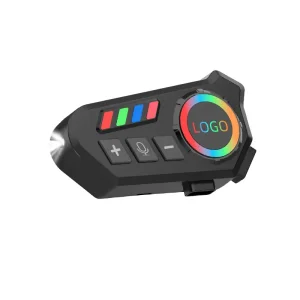
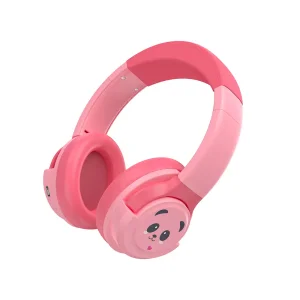
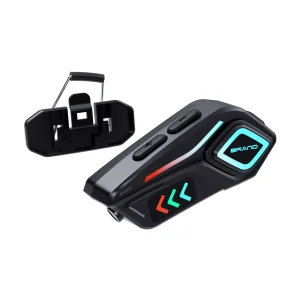
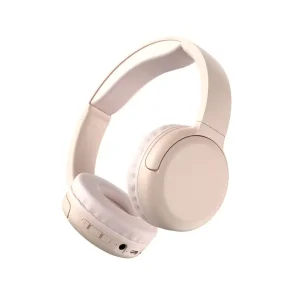
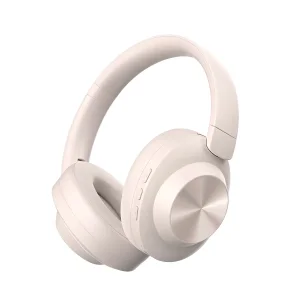
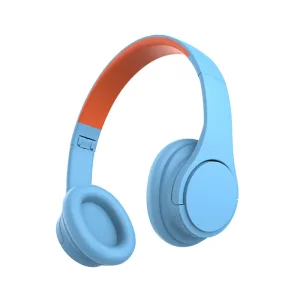
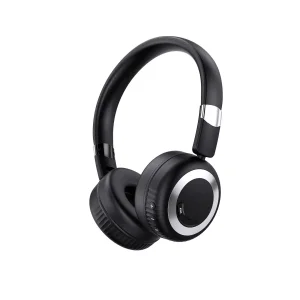
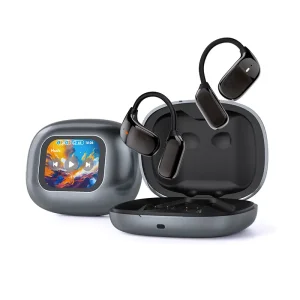
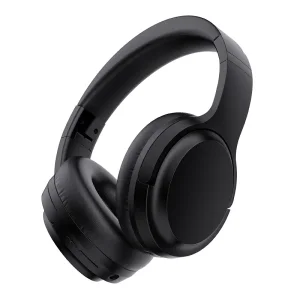
Browse our extended product portfolio including high-performance sport earbuds, safe listening children's headsets, cycling helmet communicators, and custom-branded audio gear.
B2B Sourcing & Procurement FAQ
Direct authoritative answers addressing operational concerns, MOQs, engineering lead times, compliance certificates, and factory auditing.
What is the distinction between OEM and ODM headphone sourcing?
OEM (Original Equipment Manufacturer) involves utilizing existing pre-engineered factory molds and internal PCB layouts while applying your brand's unique logo, custom colorways (Pantone matching), packaging design, and localized firmware prompts. ODM (Original Design Manufacturer) is a full-custom service starting from scratch: industrial design (ID) renderings, mechanical tooling creation, custom circuit board routing, bespoke acoustic tuning, and dedicated compliance certifications.
What are the typical Minimum Order Quantities (MOQ) for custom noise-cancelling earphones?
For standard OEM logo branding and custom packaging on existing factory tooling, MOQs generally start at 1,000 units per color. For fully custom ODM projects requiring dedicated plastic injection molds, proprietary chipsets, or customized Bluetooth firmware, the standard threshold is 3,000 to 5,000 units, depending on the complexity of the housing finish and component sourcing.
How do you ensure stable Active Noise Cancellation (ANC) quality across mass production runs?
Quality assurance for ANC platforms relies on automated acoustic test rigs using specialized SoundCheck software and calibrated artificial ears. Every single production earphone is placed into an acoustic test box where feedforward/feedback mic sensitivity, ANC frequency response curve, phase alignment, and total harmonic distortion (THD) are tested against approved Golden Samples. Units deviating by more than ±1.5dB are automatically rejected by the inline assembly software.
What lead times should international importers plan for sampling and mass production?
Existing model samples with laser-engraved branding take approximately 5 to 7 business days. Pre-production functional golden samples with custom silk-screened packaging require 15 days. Mass production lead time is typically 30 to 35 days following golden sample sign-off and deposit confirmation. Fully custom ODM projects requiring original tooling add 35 to 45 days for mold creation and T1 plastic sample verification.
Can your factory assist with destination market certification (FCC, CE, RoHS, Telec)?
Yes. We partner directly with accredited third-party laboratory facilities (such as SGS, TUV, and Intertek). We provide complete engineering schematics, bill of materials (BOM), antenna gain reports, and unsealed test samples required to obtain official FCC ID (US), CE-RED (Europe), Telec (Japan), and Anatel (Brazil) certificates registered under your brand name.
What warranty terms and defective unit policies (RMA) are provided for B2B exporters?
Standard enterprise export agreements include a 12-month manufacturer quality warranty. We maintain an allowable Defect Rate (AQL standard) below 0.5%. To mitigate cross-border return logistics costs, we offer buyers a choice between 0.5% to 1% spare units included free-of-charge with the bulk shipment or direct financial credit for verified defective units on subsequent purchase orders.