
High-Performance Wireless Audio Solutions (Catalog Part I)
Explore turnkey ODM & OEM manufacturing models equipped with advanced wireless chipsets, ergonomic housings, and industrial-grade acoustic tuning.
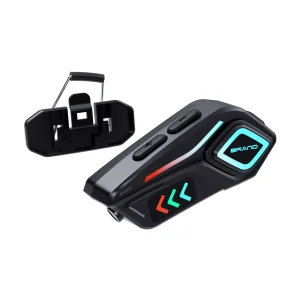
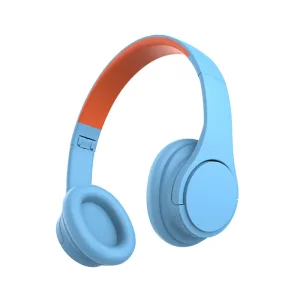
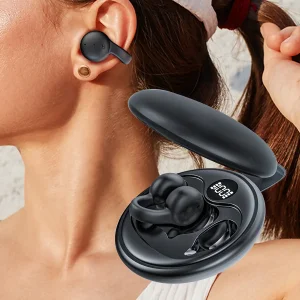
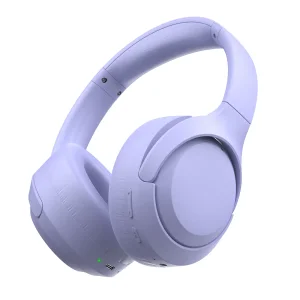
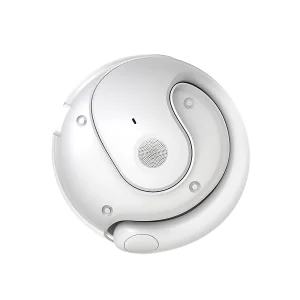
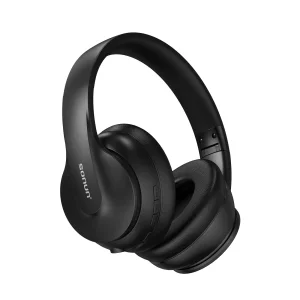
Global Commercial & Industrial Status of Wireless Gaming Headsets
An in-depth evaluation of supply chain dynamics, technological convergence, and sourcing economics governing high-performance gaming audio manufacturing.
Cross-Platform Connectivity Expansion
Modern gaming ecosystems demand hardware capable of seamlessly transitioning between PC platforms, consoles (PS5, Xbox Series X), and mobile devices. Premier ODM factories must supply dual-mode architectures incorporating both proprietary 2.4GHz ultra-low latency RF dongles and Bluetooth 5.4 LE Audio codecs to eliminate platform lock-in.
Acoustic Engineering Precision
The global e-Sports market has shifted user expectations from boomy, distorted bass toward spatial audio separation and pinpoint directional accuracy. Leading manufacturers leverage state-of-the-art acoustic cavity modeling, customized N52 magnet structures, and ultra-thin diaphragms to ensure high dynamic range and minimal harmonic distortion.
Supply Chain Rigor & Component Sourcing
With global hardware standards enforcing strict environmental and electrical guidelines, turnkey ODM operations in Shenzhen integrate vertical component supply chains. From raw tooling and PCB SMT placement to electroacoustic testing in anechoic chambers, real-time quality assurance guarantees consistent batch-to-batch excellence.
Information Gain Insight: The OEM vs. ODM Strategic Paradigm
When selecting a manufacturing partner for wireless gaming headsets, global brands must distinguish between basic OEM (assembling pre-designed housings with minor logo placement) and true ODM partnership. An advanced ODM partner designs proprietary PCB layouts, custom RF antenna matching networks, and tuned back-cavity acoustic chambers that deliver distinct acoustic signatures and proprietary software customization (EQ, RGB lighting, spatial surround algorithms).
Macro Industry Solutions: Technical & System Architecture
A granular breakdown of the critical hardware and firmware components required to produce market-leading wireless gaming headsets.
2.4GHz + BT 5.4 Dual Engine
Integration of low-power SoC chipsets supporting concurrent 2.4GHz RF (with USB dongle) and Bluetooth 5.4 connectivity. Allows gamers to answer phone calls via mobile Bluetooth while maintaining uncompressed 2.4GHz gaming audio from their PC or console.
Ultra-Low Latency <15ms
Implementation of custom proprietary transmission protocols and optimized buffer management. By utilizing low-complexity communication codecs (LC3/LC3plus) and pipeline acceleration, frame delay is minimized to under 15 milliseconds for instant tactical response.
AI Beamforming ENC Mic
Dual-microphone array combined with Deep Neural Network (DNN) environmental noise cancellation algorithms. Effectively isolates human voice from mechanical keyboard switches, ambient fan noise, and room reverb with up to 35dB noise reduction.
Advanced Power Optimization
High-density Lithium-polymer battery cells combined with intelligent power-management ICs (PMIC). Delivers 50 to 80 hours of continuous wireless playback (RGB off) and fast USB-C charging yielding 5 hours of operation from a 15-minute charge.
| Architecture Feature | Standard Consumer Headset | Professional ODM Gaming Headset Standard | Technical Differentiation Impact |
|---|---|---|---|
| Wireless Protocol | Standard Bluetooth 5.0 / SBC Codec | Dual-Mode 2.4GHz Dongle + Bluetooth 5.4 LE Audio | Eliminates lip-sync lag; enables cross-platform switching |
| Latency Performance | 150ms – 220ms delay | <15ms Ultra-Low Latency RF Mode | Instant audio feedback essential for competitive FPS games |
| Transducer Driver | 40mm Mylar / PET Diaphragm | 50mm Titanium-Coated / Graphene Composite | Wider frequency response (20Hz–40kHz) and zero distortion |
| Microphone System | Single Omnidirectional Electret | Dual-Beamforming ECM/MEMS + AI-ENC DSP Chip | Crystal-clear squad communications in noisy tournament environments |
| Battery Management | 400mAh (12-15 Hours Playback) | 1000mAh+ High-Density Cell (50-80 Hours Playback) | Extended marathon gaming sessions without frequent recharging |
Localization Support & International Regulatory Standards
Ensuring frictionless international distribution with full market access certification, regional firmware adaptation, and strict environmental compliance.
Wireless Radio & Safety Compliance
All ODM wireless gaming headsets undergo rigorous testing for target destination approvals: FCC (North America), CE-RED (European Union), TELEC/JIS (Japan), NCC (Taiwan), and SRRC (China). RF output power and spurious emissions are fully tuned within authorized spectrum bands.
Environmental & Chemical Security
Full adherence to hazardous substance standards including RoHS 2.0, REACH SVHC, and California Proposition 65. Battery packs are certified under UN38.3, MSDS, IEC 62133, and BIS standards to guarantee safety during international air and maritime transport.
Localized UI & Firmware Customization
Complete multilingual customization of localized voice prompts (English, Japanese, German, French, Spanish, etc.), multi-tier packaging structural engineering, localized software companion apps, and custom driver installation packages for seamless end-user onboarding.
Localized Application Scenarios for Wireless Audio Systems
How specialized ODM gaming headsets deliver tailored acoustic profiles across distinct commercial, professional, and consumer environments.
Competitive e-Sports Arenas
High-pressure tournament environments require absolute passive noise isolation (25dB+ attenuation), reinforced aluminum headbands, zero-latency 2.4GHz wireless links, and optimized mid-high frequencies for accurate audio cues such as enemy footsteps and reloading sounds.
Cross-Platform Mobile & Cloud Gaming
Gamers utilizing handheld consoles (Steam Deck, Nintendo Switch) or smartphones require lightweight, foldable designs featuring low-latency Bluetooth LE Audio, compact travel cases, and intuitive touch controls for gaming on the go.
Live Streaming & Content Creation
Streamers demand high-fidelity vocal capture via broadcast-grade cardioid microphones, customizable RGB lighting sync with desktop ecosystems, software-based EQ management, and long-wear memory foam ear cushions for extended live broadcasts.
Hybrid Enterprise & Unified Comms
Dual-purpose usage in remote office environments. Users leverage hybrid active noise cancellation (ANC) for concentration, boom-arm mute functions, and multi-device connection switching between work laptops and personal mobile devices.
Technology Roadmap & Future Outlook (2025–2030)
Strategic R&D trajectories shaping the next generation of intelligent, personalized, and eco-friendly wireless audio hardware.
AI Spatial Audio & Real-Time HRTF Tuning
Integration of embedded Neural Processing Units (NPUs) into headphone SoCs to render head-tracked 3D spatial soundscapes in real-time. Customized Head-Related Transfer Function (HRTF) algorithms dynamically adjust sound positioning based on user ear anatomy captured via smartphone app scans.
Ultra-Wideband (UWB) Uncompressed Audio Links
Transitioning beyond traditional 2.4GHz RF to Ultra-Wideband (UWB) wireless connectivity. UWB provides massive bandwidth capable of streaming true bit-for-bit lossless 24-bit / 96kHz audio with sub-5ms latency while consuming 30% less battery power.
Biometric Sensing & Sustainable Materials Architecture
Integration of continuous heart rate monitoring, body temperature sensors, and posture tracking directly into ear-cup cushions. Manufacturing pipelines transition fully to Post-Consumer Recycled (PCR) plastics, ocean-bound plastic housing components, and plastic-free bio-degradable retail packaging.
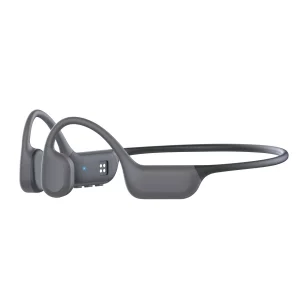
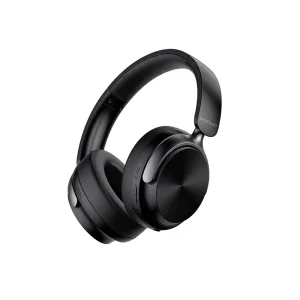
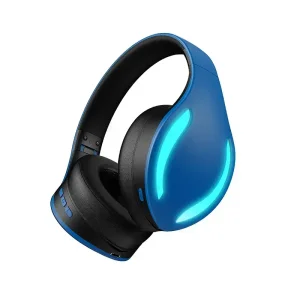
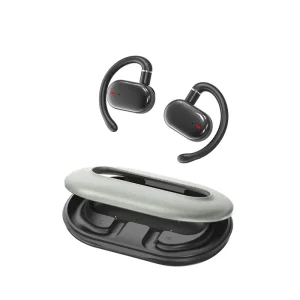
High-Performance Wireless Audio Solutions (Catalog Part II)
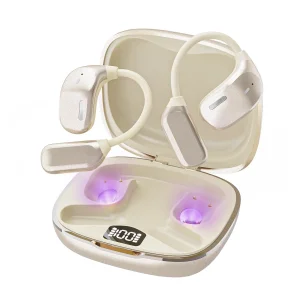
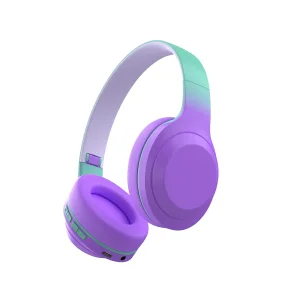
Explore specialized OEM/ODM options ranging from active noise isolation over-ear models to open-ear sports and ultra-long battery headsets.
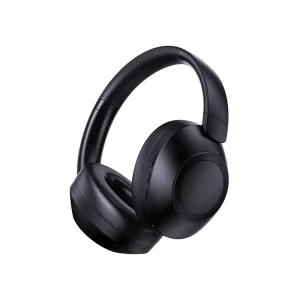
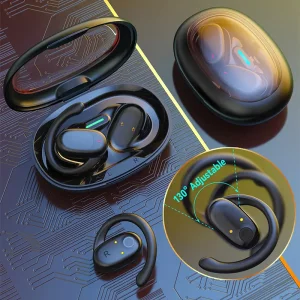
Frequently Asked Technical & Sourcing Questions
Essential answers for brand managers, audio engineers, and procurement directors evaluating OEM/ODM gaming headset production.
What is the typical NRE cost and timeline for custom ODM gaming headset tooling?
Full ODM headset development—including custom industrial design (ID), mechanical design (MD), plastic injection mold creation, acoustic cavity tuning, and PCB layout—typically requires 60 to 90 days. Non-Recurring Engineering (NRE) tooling costs range depending on mold complexity, headband sliding mechanism structures, and housing surface finishes. Rapid 3D SLA prototyping and acoustic mockups are validated prior to steel cutting.
How does the factory achieve ultra-low latency (<15ms) in 2.4GHz wireless modes?
Ultra-low latency is accomplished by bypassing standard Bluetooth protocol stack overhead. Our engineering team utilizes customized wireless SoCs paired with proprietary 2.4GHz RF firmware. By employing compressed LC3/LC3plus codecs, reducing packet frame size, and optimizing DMA (Direct Memory Access) buffers on both the USB dongle receiver and headset DSP, wireless transport latency is consistently locked under 15 milliseconds.
What options exist for branding and customization under OEM agreements?
OEM customization covers extensive aesthetic and functional parameters: laser-engraved or silk-screened logos, custom ear-pad materials (protein leather, breathable athletic mesh, memory foam, or cooling gel), custom RGB LED lighting profiles, custom EQ voice prompts, branded USB dongle housings, and fully customized retail packaging with localized user manuals.
How are ANC and AI-ENC performance validated during mass production?
Every manufactured gaming headset passes through automated testing stations inside calibrated anechoic sound chambers. Active Noise Cancellation (ANC) curve depth and phase inversion are measured using artificial head simulators (IEC 60318-4 / SoundCheck systems). Environmental Noise Cancellation (AI-ENC) microphones are tested against simulated background noise vectors to ensure background attenuation exceeds 30dB before unit sign-off.
What minimum order quantities (MOQ) apply to OEM vs. ODM production runs?
Standard OEM customized production runs (utilizing existing factory molds with custom colorways, logos, and packaging) typically start at an MOQ of 1,000 to 2,000 units per color variant. Fully bespoke ODM projects requiring custom tooling and specialized PCB layouts generally carry a minimum production target of 3,000 to 5,000 units, structured to amortize initial mold development expenses efficiently.
What compliance certifications are supplied for European and North American markets?
We supply full compliance documentation suites required for global customs clearance and commercial sale. This includes FCC Part 15B/15C certification for the United States, CE-RED directives and RoHS/REACH chemical reports for the European Union, IC certification for Canada, and UN38.3, MSDS, and IEC 62133 safety compliance for integrated Lithium-ion batteries.