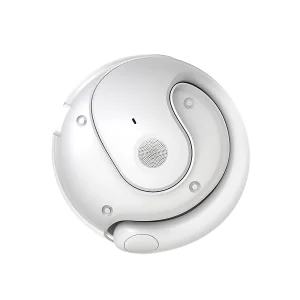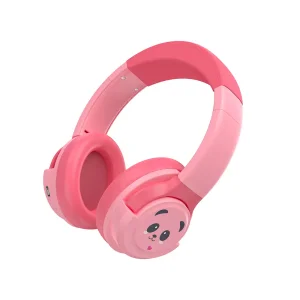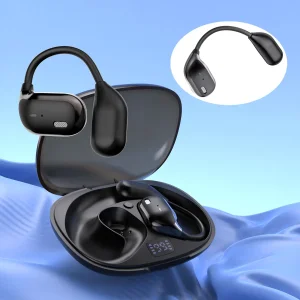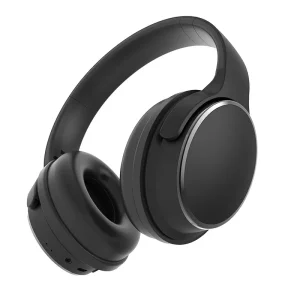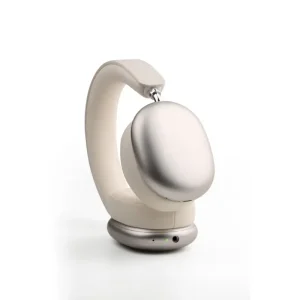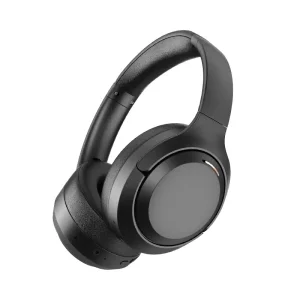
Featured OEM/ODM Headset Product Portfolio (Batch 01)
Verified B2B ODM/OEM audio solutions engineered for high performance, commercial compliance, and rapid market entry.
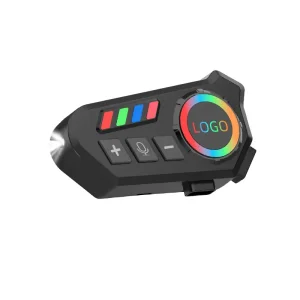
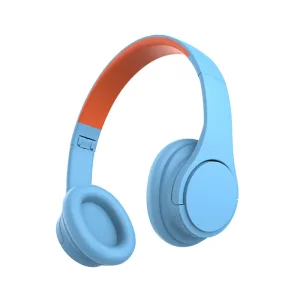
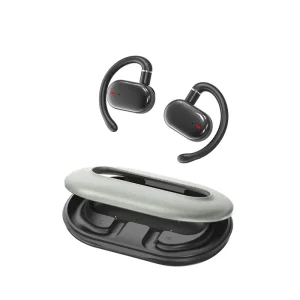
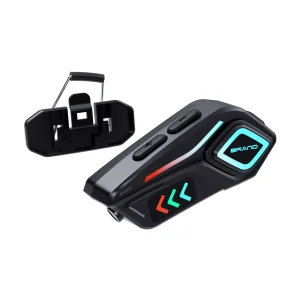
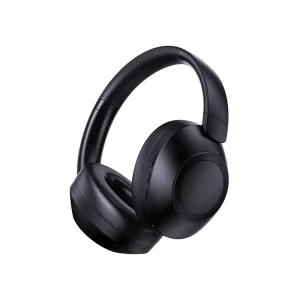
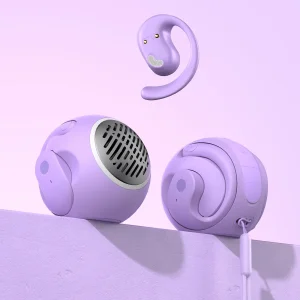
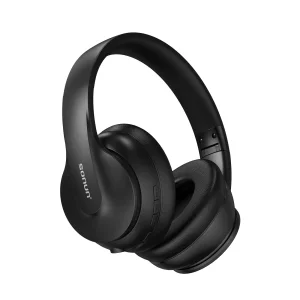
The Evolution of Headset ODM Manufacturing: Market Dynamics & Hardware Architecture
As consumer and enterprise audio requirements shift toward low-latency transmission, hybrid active noise cancellation (ANC), environmental noise cancellation (ENC) for voice isolation, and ergonomic wearable designs, top-tier ODM (Original Design Manufacturer) headset factories have transitioned from simple contract assemblers into deep technology partners.
Selecting an ODM headset supplier is no longer merely an exercise in bill-of-materials (BOM) cost reduction. Modern global brands, enterprise distributors, and specialized hardware vendors require factories capable of co-engineering firmware, tuning acoustics via advanced audio analyzers (e.g., Audio Precision APx555), and guaranteeing localized regulatory compliance (CE, FCC, RoHS, REACH, Anatel). China’s advanced electro-acoustic supply ecosystem—centered in Shenzhen and Dongguan—remains the world's most resilient foundation for turnkey OEM/ODM audio development.
Headset Technology Roadmap: 2025–2030 Architecture
Key technological vectors reshaping ODM headset design, chip integration, and electro-acoustic performance.
Bluetooth 5.4 & LE Audio / LC3 Codec
The transition from classic Bluetooth audio to Bluetooth 5.4 and LE Audio (Low Energy) represents a paradigm shift. The introduction of the LC3 (Low Complexity Communication Codec) allows ODM factories to deliver superior sound quality at half the bitrate compared to SBC. This dramatically reduces power consumption while introducing Auracast™ broadcast audio capabilities, allowing single-source streaming to unlimited headset receivers in public or enterprise settings.
Neural Network ANC & Dual-Mic ENC
Traditional feedforward or feedback ANC is being rapidly superseded by AI-driven Neural Network ANC algorithms. Integrated DSP chipsets execute real-time noise classification, adapting suppression parameters dynamically across varied ambient environments (e.g., transit, open office, high-wind outdoor scenarios). Environmental Noise Cancellation (ENC) utilizes multi-beamforming microphone arrays with Deep Neural Network (DNN) voice extraction to isolate vocal frequencies down to 30dB SNR improvement.
OWS, Air & Bone Conduction Fusion
Open-Wearable Stereo (OWS) and directional air-conduction acoustics are capturing massive market share in sport, cycling, and enterprise awareness segments. Advanced ODM suppliers engineer custom acoustic cavities featuring reverse-phase soundwave cancellation to minimize sound leakage, alongside titanium memory alloy bands for bone-conduction headsets that combine physical durability with long-duration wearing comfort.
Macro-Industry Solutions & Application Vectors
Customized OEM engineering pathways tailored to specialized vertical industry constraints.
1. Sports, Cycling & Outdoor Helmet Integration
Custom helmet-mounted Bluetooth 5.4 systems demand specialized aerodynamic acoustic housings, IPX7 or IPX8 waterproofing, and wind-noise mitigation structures validated up to 50 km/h wind velocity. ODM factories implement ultra-wide physical press buttons or glove-compatible capacitive touch pads, integrated with ultra-long 30H+ power management units (PMU) for multi-day endurance riding.
2. Pediatric Audio & Educational Safety Standards
Children's headphones mandate hardware-enforced volume limiters set at strict 85dB (or switchable 94dB for noisy travel) according to WHO guidelines. Top factories utilize food-grade, hypoallergenic, BPA-free polymers and ultra-durable flexible headbands capable of enduring 10,000+ torsional flex cycles, compliant with CPSIA, EN71, and REACH safety frameworks.
3. Enterprise Unified Communications (UC) & Contact Centers
Professional office and call center headsets focus on continuous 8-hour acoustic ergonomics, lightweight structural engineering (<150g), dynamic sidetone feedback, and dual-device multipoint Bluetooth connectivity. USB dongles equipped with dedicated 2.4GHz RF chipsets eliminate latency issues associated with legacy OS Bluetooth drivers.
4. Esports & Gaming Low-Latency Ecosystems
Esports-grade gaming headsets require dual-mode wireless architecture (2.4GHz ultra-low latency <20ms via Type-C dongle + Bluetooth 5.4). Coupled with 50mm neodymium magnet drivers tuned for spatial audio positioning and custom RGB illumination profiles, top suppliers provide complete custom PC/console software integration.
China Factory 4.0: Supply Chain Resilience & Manufacturing Infrastructure
Understanding the structural operational advantages of Shenzhen and Dongguan audio manufacturing clusters.
Concentrated Supply Chain Density
Within a 30-kilometer radius in the Greater Bay Area, ODM suppliers source raw components—silicone ear cushions, dynamic driver diaphragms, Bluetooth ICs (Realtek, JL, Bestechnic, Qualcomm), lithium protection boards, and custom tooling facilities—reducing component lead times from weeks to days.
Automated SMT & Acoustic QC Testing
Modern Headset Factory 4.0 operations deploy automated Surface Mount Technology (SMT) lines for PCB assembly, fully integrated with Automated Optical Inspection (AOI). Post-assembly audio testing utilizes full-shield anechoic test chambers equipped with artificial ears (IEC 60318-4) to guarantee frequency response curve compliance on 100% of production units.
Rigorous Reliability Assurance Matrix
Leading factories enforce MIL-STD quality sampling. Products undergo rigorous environmental testing including thermal shock (-20°C to +60°C), salt spray corrosion testing for outdoor durability, headband flex stress endurance (15,000+ cycles), button tactile lifespan tests (100,000+ actuations), and IPX water jet immersion testing.
| Manufacturing Dimension | Standard OEM Contract Factory | Advanced ODM Tier-1 Headset Supplier (Factory 4.0) |
|---|---|---|
| R&D / Engineering Depth | Basic housing assembly, off-the-shelf boards | In-house RF antenna tuning, DSP algorithm coding, custom acoustic cavity design |
| Acoustic Quality Control | Manual sample testing (1-5% sampling rate) | 100% automated sweep-frequency testing in anechoic chambers via APx555 software |
| Tooling & Prototyping Lead Time | 45 - 60 Days | 14-21 Days via 3D SLA prototyping and rapid aluminum tooling molds |
| Compliance Support | Basic CE/FCC self-declaration assistance | Full end-to-end lab certification management (CE-RED, FCC ID, RoHS, REACH, Anatel, TELEC) |
Global Compliance & Localization Engineering
Ensuring seamless market authorization across major international jurisdictions.
North American Market Protocols
Headsets entering North America require mandatory FCC Part 15B / 15C certification for intentional radiators, ensuring RF emission control and Bluetooth band compliance. Products designed for children must fulfill CPSIA lead and phthalate restrictions, alongside California Proposition 65 chemical compliance testing.
European Union Frameworks
EU entry demands strict compliance with the Radio Equipment Directive (RED 2014/53/EU). Acoustic output must comply with EN50332 health protection standards regarding sound pressure level limits. Hazardous substance controls require RoHS 3 (EU 2015/863) chemical testing and REACH SVHC identification.
LATAM & APAC Regional Certification
Accessing high-growth markets requires specialized local agency management: Anatel certification in Brazil, TELEC/MIC radio approval in Japan, KC certification in South Korea, and SIRIM in Malaysia. Top China suppliers maintain dedicated compliance teams to expedite local agency testing.
Enterprise Sourcing Guide: The OEM/ODM Customization Matrix
A structured breakdown of customization depth, MOQ expectations, and lead-time benchmarks for enterprise procurement directors.
Level 1: CMF Branding (Low MOQ: 500 - 1,000 units)
Scope: Color, Material, Finish (CMF) customization on existing industrial design molds.
Deliverables: Custom PMS color matching, silk-screen or laser-etched brand logos, custom retail packaging (giftbox, blister pack), customized Bluetooth pairing name, and localized voice prompts.
Production Lead Time: 15 – 20 Days.
Level 2: Firmware & Component Customization (MOQ: 2,000 - 3,000 units)
Scope: Deep electrical and acoustic tuning.
Deliverables: Custom EQ sound profiling (bass boost, vocal clarity curve), modified ANC attenuation tables, custom touch control mapping, battery capacity upgrade, and bespoke chipset selection (e.g., upgrading to Qualcomm aptX HD).
Production Lead Time: 25 – 30 Days.
Level 3: Full ODM Tooling & Design (MOQ: 5,000+ units)
Scope: Ground-up product creation from preliminary sketch to retail box.
Deliverables: 3D CAD modeling, structural engineering, acoustic cavity simulation, custom plastic injection tooling, custom PCB layout, complete compliance certification package, and dedicated assembly line tooling.
Production Lead Time: 60 – 90 Days (including tooling phase).
Frequently Asked Questions: Sourcing & Engineering Insights
Technical and operational answers to common queries raised by international audio brand managers and procurement executives.
Featured OEM/ODM Headset Product Portfolio (Batch 02)
Explore additional production-ready audio hardware configurations for brand customization.