
Flagship OEM/ODM Product Showcase
Engineered with industrial precision: High-definition audio, ultra-low latency chipsets, and compliant manufacturing for world-class acoustic brands.
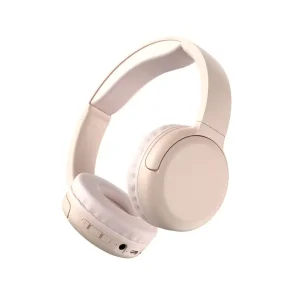
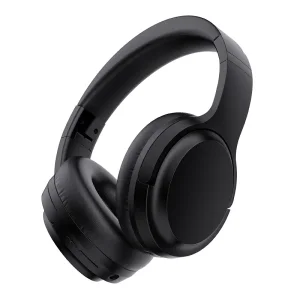
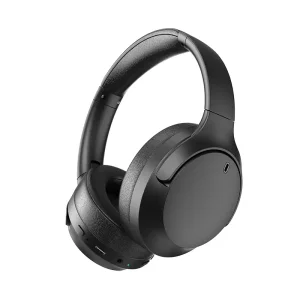
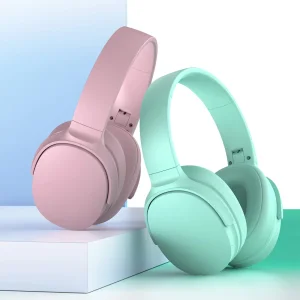
The State of ODM/OEM Wireless Noise-Cancelling Earbuds Manufacturing
The consumer audio landscape has entered a transformative era driven by rapid advancements in Digital Signal Processing (DSP), neural network Environmental Noise Cancellation (ENC), and hybrid Active Noise Cancellation (ANC) architectures. For global audio brands, consumer electronics importers, and private-label distributors, selecting a top-rated Original Design Manufacturer (ODM) or Original Equipment Manufacturer (OEM) in China is no longer merely a pricing decision—it is a strategic technological partnership.
Modern Wireless Noise-Cancelling Earbuds require a seamless integration of electroacoustic chamber design, radio frequency (RF) antenna stability, dynamic power management, and ergonomic structural engineering. As search engines reward true Information Gain and technical depth, this whitepaper breaks down the exact benchmarks, supply chain advantages, regulatory compliance frameworks, and technological breakthroughs that define tier-1 wireless earbud manufacturing today.
1. Technical Architecture: Feedforward vs. Feedback vs. Hybrid ANC Systems
To deliver a competitive "Top Rated" noise cancellation experience, ODM factories must implement sophisticated acoustic algorithms tailored to specific usage environments. The noise cancellation spectrum is governed by three primary engineering topologies:
| ANC Topology | Microphone Placement | Frequency Range | Key ODM Technical Advantages |
|---|---|---|---|
| Feedforward ANC | External (Facing outward) | 100 Hz - 1.5 kHz | Excellent for high-frequency ambient sounds; simple acoustic tuning, lower power consumption. |
| Feedback ANC | Internal (Inside ear canal) | 20 Hz - 500 Hz | Real-time ear-canal acoustics correction; highly effective against low-frequency rumble. |
| Hybrid ANC (Feedforward + Feedback) | Dual Mic Setup (Inner + Outer) | 20 Hz - 4.5 kHz | Peak cancellation depths up to -48dB. Algorithmic transparency modes and adaptive wind noise suppression. |
Our manufacturing facilities deploy advanced dual-core DSPs combined with Bluetooth 5.4 System-on-Chips (SoCs) from leading silicon vendors (Qualcomm, Airoha, Realtek, and BES). By pairing these SoCs with custom-tuned 10mm to 13mm composite titanium diaphragm drivers, our ODM earbuds achieve ultra-low distortion (<0.5% THD @ 1kHz) while eliminating ambient commuter sound, office chatter, and wind turbulence.
The China Manufacturing & Supply Chain Synergy
Why Shenzhen’s Electroacoustic Ecosystem Remains Unmatched for High-Volume B2B Production
Component Ecosystem & BOM Optimization
Located in the heart of Shenzhen’s technology district, our factory maintains direct sourcing agreements with premium battery cell manufacturers (Varta-grade button cells), precision mold tooling shops, and chipset vendors. This localized supply chain reduces Bill of Materials (BOM) costs by 18-25% without compromising build quality.
Rapid Prototyping & Custom Tooling
Our in-house R&D team utilizes 3D SLA acoustic simulation modeling and CNC precision tooling. We can transition a client concept from Industrial Design (ID) and Mechanical Design (MD) to working acoustic samples within 14 business days, significantly accelerating time-to-market.
Rigorous In-Line Quality Control (IPQC)
Every earbud batch undergoes automated SoundCheck acoustic analyzer testing, frequency response curve matching (Harman Target curve alignment), RF wireless chamber testing, IPX5 to IPX8 waterproof pressure tests, and 10,000-cycle mechanical stress evaluations.
Localized Support & Global Compliance Assurance
Ensuring Seamless Market Access Across North America, Europe, Asia-Pacific, and Latin America
Navigating international market entry requires stringent compliance with electrical, environmental, and radio frequency regulations. As an established export-oriented ODM/OEM supplier, we provide fully certified product lines backed by certified third-party testing reports (SGS, TUV, Intertek).
North American Certification Framework
Full compliance with FCC Part 15B/15C for RF emissions, UL 62368-1 audio safety standards, California Proposition 65 chemical testing, and UN38.3/MSDS certification for lithium-ion battery transportation.
European Union Directives
Adherence to CE-RED (Radio Equipment Directive), RoHS 2.0, REACH SVHC compliance, WEEE recycling protocols, and EN 50332 acoustic sound pressure volume limiter guidelines for hearing safety.
Regional Localization Services
Tailored packaging design, multi-lingual instruction manuals (EN, DE, FR, ES, JP, AR), custom Bluetooth pairing names, localized voice prompts, and regional app deployment across global app stores.
Emerging Industry Trends & Localized Use Cases
Aligning Product Manufacturing with Next-Gen Consumer Preferences
The wireless audio industry is rapidly evolving beyond traditional in-ear active noise cancellation. B2B buyers must align their brand portfolio with key high-growth categories:
1. AI Language Translation & Smart Earbuds Ecosystems
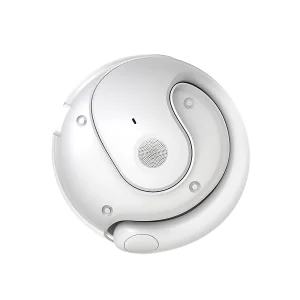
Integrating low-power AI inference models directly into companion mobile applications transforms standard Bluetooth earbuds into real-time multi-lingual translation tools. Ideal for international business travelers, hospitality workers, and cross-border teams.
2. Open-Ear OWS (Open Wearable Stereo) & Air/Bone Conduction
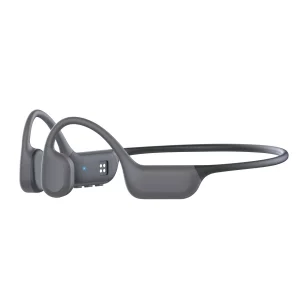
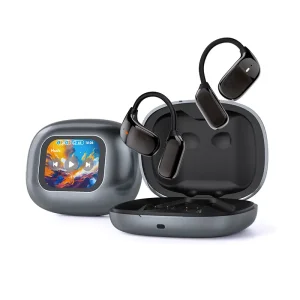
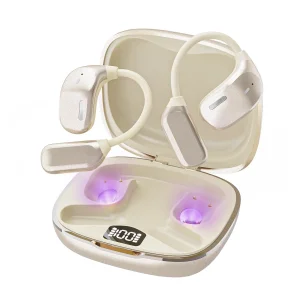
Fitness enthusiasts and outdoor athletes are demanding situational awareness. OWS and air conduction audio products utilize directional acoustic vector technology to project crisp audio into the ear canal without blocking surrounding environmental sounds.
3. Specialized Pediatric Safe-Volume Audio
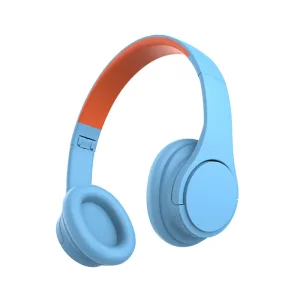
Educational channels and family brands require safe-volume limiting technology (85dB SPL ceiling) built directly into hardware firmware, protecting children's hearing during online learning and transit.
4. IPX8 Waterproofing & Integrated Storage for Aquatic Sports
For swimmers and endurance athletes, Bluetooth signals cannot penetrate water effectively. Our specialized swim earbuds integrate IPX8 immersion sealing with internal Flash memory storage (8GB-32GB), enabling offline playback underwater.
Extended Enterprise Product Catalog
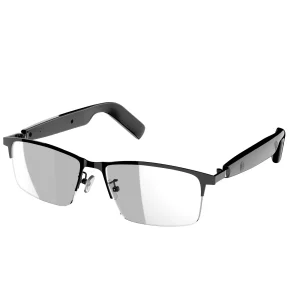
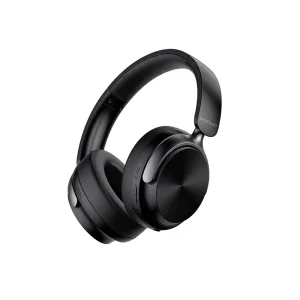
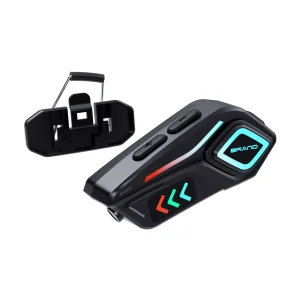
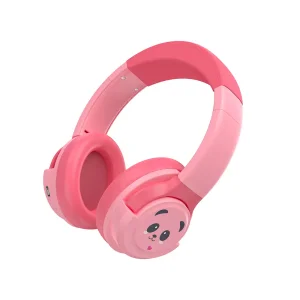
Discover specialized audio solutions: Open-ear sports, AI translation headsets, volume-limited kids earphones, and ultra-long battery standby models.
Enterprise Procurement Q&A (Frequently Asked Questions)
Expert Guidance for Importers, Brand Owners, and Global Audio Buyers
What is the typical Minimum Order Quantity (MOQ) for custom private-label wireless earbuds?
For standard OEM branding (custom logo laser etching, silk printing, customized packaging, and localized voice prompts) on our existing acoustic platforms, the typical MOQ starts at 1,000 units. For fully custom ODM projects requiring dedicated plastic injection tooling, custom PCB layout engineering, and bespoke software/app integration, the baseline MOQ is generally 3,000 to 5,000 units depending on component complexity.
How does your factory ensure acoustic consistency across large production runs?
We enforce a strict Golden Sample verification process. Every production line utilizes automated SoundCheck acoustic analyzers that test 100% of finished earbuds against predetermined frequency response curves, THD tolerances, and ANC attenuation targets. Driver units are pre-sorted and matched within a ±1dB sensitivity tolerance prior to assembly.
Can you assist with local regulatory testing and market certification?
Yes. We work directly with accredited international testing laboratories such as SGS, TUV, and Intertek. We manage the entire submission process for FCC ID, CE-RED, RoHS, REACH, TELEC, and Anatel certifications. Furthermore, we supply UN38.3 and MSDS safety documentation required for global logistics and air/sea transport compliance.
What is the lead time from sample approval to final mass production delivery?
Pre-production golden samples are typically dispatched within 7 to 10 days. Once samples are approved and deposit confirmed, mass production lead time is approximately 25 to 35 calendar days. For repeat orders with pre-forecasted component stock, production lead times can be compressed to 18–20 days.
How are warranty claims and defective units handled for international buyers?
We offer a comprehensive 12-month quality guarantee on all manufactured audio products. Our factory defect rate is strictly controlled below 0.3%. In the rare event of manufacturing defects, we provide spare units (typically 0.5%–1% extra FOC spare parts with the shipment) or issue immediate credit replacement for subsequent order cycles.