
Industrial Customization Lineup (Batch A)
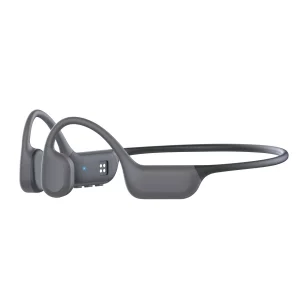
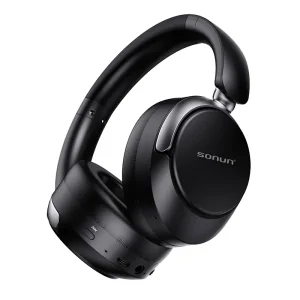
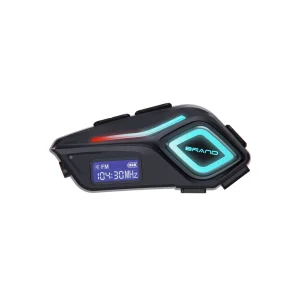
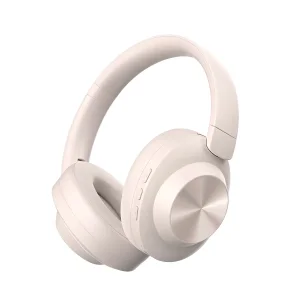
Select pre-engineered acoustic platforms engineered for rapid private-label deployment. Customized housing, driver impedance, cable shielding, and packaging available.
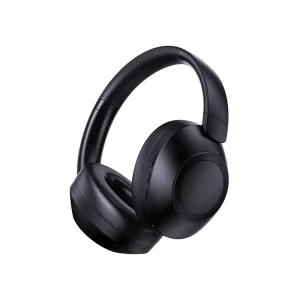
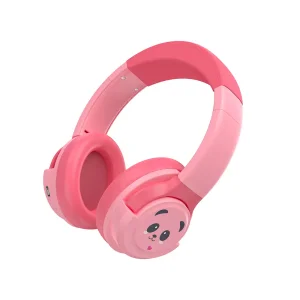
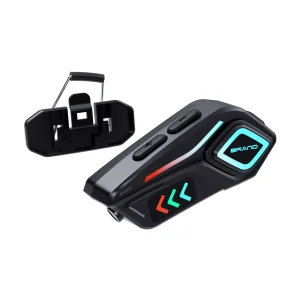
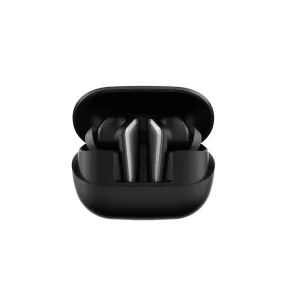
Executive Sourcing Summary: Navigating the ODM Wired Gaming Headphone Landscape
The Zero-Latency Imperative
While wireless audio technologies (Bluetooth 5.4, 2.4GHz ultra-low latency dongles) continue to evolve, high-performance competitive gaming remains fundamentally anchored to wired audio architecture. In esports environments, transmission latency exceeding 5ms introduces cognitive delay, directly impacting player reaction time in first-person shooters (FPS) and real-time strategy (RTS) games.
An experienced ODM wired gaming headphones supplier provides structural and electrical architecture designed to eliminate packet loss, electromagnetic interference (EMI), and battery degradation risk, making wired audio the preferred format for global tournament organizers, esports venues, and demanding hardware distributors.
Key Technical Sourcing Indicators
Modern procurement directors look beyond cosmetic designs to verify critical engineering specifications. Working with a verified China ODM supplier ensures compliance across four critical hardware vectors:
- Transducer Precision: 50mm High-Flux Neodymium dynamic drivers with THD (Total Harmonic Distortion) < 1%.
- Acoustic Isolation: Closed-back structural acoustic cavities offering > 22dB passive noise attenuation.
- Microphone Acoustics: Noise-cancelling electret condenser (ECM) or MEMS arrays with cardioid pickup patterns.
- Interfacing Versatility: Dual 3.5mm TRS, 4-pole TRRS, and integrated 7.1 Virtual Surround DAC via USB-C/USB-A interfaces.
Why China Serves as the Global Hub for Wired Gaming Headphone ODM Production
China’s Pearl River Delta (Shenzhen, Dongguan, Huizhou) represents the most integrated acoustic engineering ecosystem in the world, combining tooling agility, raw material supply chain dominance, and strict acoustic quality assurance.
Vertical Supply Integration
From raw copper wire extrusion for high-purity OFC (Oxygen-Free Copper) braided cables to custom injection-molded ABS housing and CNC-milled aluminum headband sliders, China suppliers manage every step under one ecosystem. This structural proximity reduces product development lead times by up to 45% compared to fragmented regional markets.
Acoustic Testing Infrastructure
Leading ODM factories in Shenzhen are equipped with SoundCheck automated test systems, Brüel & Kjær artificial head simulators (HATS), and full-sized anechoic chambers. This allows engineers to measure frequency response curves, total harmonic distortion, directional mic polar patterns, and passive isolation with laboratory precision before mass tooling authorization.
Scale & Cost Optimization
High-volume procurement of raw materials, automated SMT lines for USB soundcard PCBA fabrication, and skilled mechanical assembly workforces ensure that Chinese ODM suppliers offer unparalleled Bill of Materials (BOM) cost efficiency without compromising compliance standardizations (RoHS, REACH, CE, FCC).
Technological Trends Reshaping Gaming Audio Sourcing (2025–2030)
1. Multi-Platform Hardware Compatibility & USB-C DSP Integration
Cross-platform gaming ecosystems require seamless interoperability across PC, PlayStation 5, Xbox Series X, Nintendo Switch, and mobile platforms. Modern ODM suppliers are integrating inline hardware DSPs with dedicated C-Media or Realtek audio chipsets, offering driver-less hardware 7.1 surround decoding, gain switches, and hardware equalizer presets over universal USB-C connectors with legacy 3.5mm adapters.
2. Environmental Noise Cancellation (ENC) Microphones
Communicating in noisy esports arenas or shared home environments demands clear voice transmission. Modern wired gaming headsets feature dual-microphone ENC arrays. The primary microphone captures vocal frequencies (100Hz–8kHz) while the secondary microphone samples ambient acoustic noise, allowing an onboard DSP algorithm to invert and suppress up to 35dB of unwanted background clutter.
3. Advanced Diaphraphragm Materials (Graphene & Titanium Coated)
To improve impulse response and spatial imaging accuracy—enabling gamers to pinpoint enemy footsteps—ODM manufacturers are replacing traditional Mylar diaphragms with composite PEEK + Titanium or Graphene coated membranes. These ultra-rigid, lightweight films minimize cone breakup at higher sound pressure levels, yielding crisp highs and tight, undistorted bass down to 15Hz.
4. Ergonomic Durability & Heat-Dissipating Materials
Gaming sessions frequently stretch across multiple hours. Leading ODM wired gaming headset suppliers incorporate breathable cooling-gel ear cushions, memory foam pads wrapped in hybrid fabric-leatherette covers, and ultra-flexible manganese steel headband structures tested to survive 10,000+ torsion flex cycles without mechanical fatigue.
Macro Industry Solutions & B2B Sourcing Use-Cases
Custom ODM wired headsets serve diverse global industry verticals, each requiring specialized physical and acoustic tailoring.
Esports Arenas & Tournaments
Focuses on absolute passive noise isolation (high-density earcup acoustic damping), high-clamping-force ergonomics to maintain acoustic seals, detechable boom microphones, and reinforced strain-relief cable connections capable of withstanding heavy daily use.
Internet Cafes & Gaming Lounges
Requires heavy-duty vandalism-resistant housing, braided steel-core reinforced cords, non-removable parts to prevent loss, easily sanitized leatherette ear pads, and loud dynamic drivers capable of enduring high output volumes without voice-coil damage.
Consumer Electronics Retail Brands
Demands high aesthetic polish, customizable RGB lighting effects, customized retail packaging (color box, window display, EVA carrying case), full software suite integration (EQ customization, 3D spatial sound), and strict environmental regulatory certifications.
B2B ODM Wired Headset Engineering Benchmark Matrix
Standardized technical parameters provided by professional ODM suppliers for enterprise procurement evaluation.
| Specification Category | Entry-Level Commercial ODM | Pro-Esports Tournament ODM | Audiophile-Grade Gaming ODM |
|---|---|---|---|
| Driver Diameter | 40mm Dynamic (Mylar) | 50mm Titanium-Coated PET | 53mm Graphene Composite |
| Frequency Response | 20 Hz – 20 kHz | 15 Hz – 25 kHz | 10 Hz – 40 kHz (Hi-Res Certified) |
| Impedance Rating | 32 Ω ± 15% | 32 Ω or 64 Ω Options | 32 Ω / 150 Ω Studio Options |
| Total Harmonic Distortion (THD) | < 3.0% at 1kHz | < 1.0% at 1kHz | < 0.5% at 1kHz |
| Microphone Configuration | Omnidirectional ECM | Cardioid ECM with Passive Noise Filter | Dual-MEMS Array with Hardware ENC Chip |
| Interface Type | Single/Dual 3.5mm Nickel Plug | 3.5mm TRRS + USB 7.1 Sound Card | Full Native USB-C 24bit/96kHz DAC |
| Cable Architecture | 2.0m PVC Cable | 2.2m High-Flex Oxygen-Free Copper Braided | Modular Detachable Paracord Litz Wire |
| Regulatory Certifications | CE, RoHS | CE, FCC, RoHS, REACH | CE, FCC, RoHS, REACH, CA Prop 65 |
The Complete ODM Customization Lifecycle: Concept to Mass Production
Phase 1 Industrial Design (ID)
Clients provide initial aesthetic briefs or target benchmark samples. Supplier design engineers generate 3D CAD renders, ergonomics evaluations, and housing layout mockups optimized for plastic injection molding and structural acoustic resonance.
Phase 2 Acoustic Simulation & Prototyping
Using finite element analysis (FEA) and acoustic cavity simulation, engineers determine optimal porting, dampening mesh resistance, and driver positioning. SLA 3D printed functional prototypes are created to measure frequency curves via SoundCheck.
Phase 3 Tooling & Mold Fabrication
Precision steel molds are milled via CNC machining for earcups, headband brackets, slide rails, and inline controller pods. Tooling fabrication typically takes 30 to 45 days, followed by T1 initial sample mold trials and surface grain texture adjustments.
Phase 4 EVT & DVT Validation
Engineering Verification Testing (EVT) and Design Verification Testing (DVT) confirm structural integrity, cable drop strain relief, headband clamping pressure, thermal aging, salt spray corrosion on metal parts, and ESD safety for inline soundcards.
Phase 5 Golden Sample Approval
Final Production Verification Testing (PVT) units—termed "Golden Samples"—are sealed and agreed upon between the buyer and factory. Every mass production unit is checked against this benchmark for sound signature, cosmetic finishing, and packaging alignment.
Phase 6 Automated Mass Production
Mass assembly takes place on structured conveyor lines. Automated acoustic test jigs run 100% full-check sweeps on driver balance (L/R phase), microphonic sensitivity, and THD before final packaging and international logistics dispatch.
Featured ODM Audio Portfolio (Batch B)
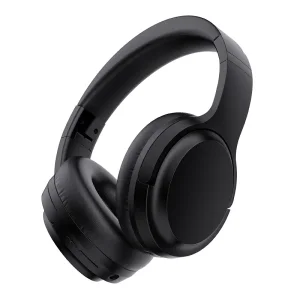
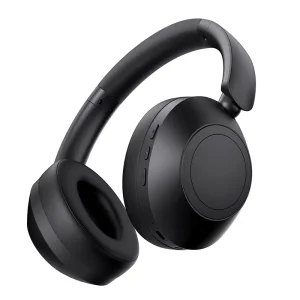
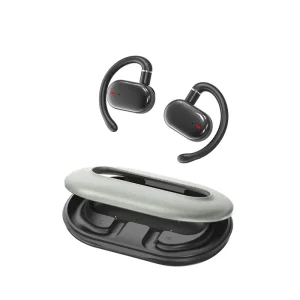
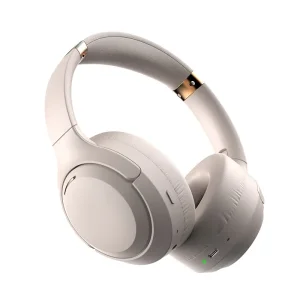
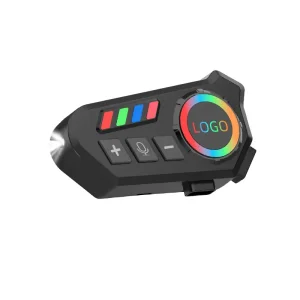
Explore specialized ANC, helmet-integrated, sports, and active audio product platforms engineered by Sonun Audio factory direct.

Enterprise Buyer Knowledge Base & Technical FAQ
Direct engineering answers to technical procurement, quality assurance, tooling, and MOQ questions.
For existing OEM base housing molds with custom brand color-matching (Pantone matching), silk-screened logos, and customized packaging, standard MOQs typically start at 1,000 to 2,000 units per batch. For fully original ODM projects requiring new plastic injection molds, custom driver tuning, and bespoke PCB board engineering, the operational MOQ is generally 3,000 to 5,000 units to amortize initial mold development and tooling setup costs effectively.
Driver size alone does not guarantee superior sound quality; the acoustic rear chamber volume must be precisely mathematically tuned to match the driver's equivalent compliance volume (Vas) and total Q factor (Qts). A 50mm dynamic driver installed inside an under-sized or unvented acoustic cavity will suffer from compressed low-frequency dynamics and heavy harmonic distortion. Our ODM engineering team utilizes internal bass-reflex port tubes, mechanical acoustic dampers, and acoustic foam linings to balance internal air pressure, achieving flat, linear frequency responses critical for positional awareness in gaming.
USB-interfaced gaming headsets containing active DAC/ADC audio ICs are vulnerable to Electrostatic Discharge (ESD) from users touching metal accents, as well as Electromagnetic Interference (EMI) from nearby PC graphics cards and power supplies. Our ODM PCBAs incorporate TVS (Transient Voltage Suppressor) diodes rated for ±8kV contact and ±15kV air discharge protection. Additionally, USB cables feature high-density braided shielding, aluminum foil wrapping, and integrated ferrite cores to block high-frequency hum and signal degradation.
Quality control operates under an AQL 1.0 Major / AQL 1.5 Minor inspection protocol. Raw materials undergo incoming quality control (IQC), including cable flex testing (minimum 5,000 cycles under 300g load), headband expansion cycle testing, and speaker driver matching (pairing L/R drivers within ±1.5dB tolerance across 100Hz–10kHz). During in-line assembly (IPQC), electroacoustic analyzers measure frequency response curves, mic sensitivity, and channel phase balance for 100% of finished headsets prior to outer cartoning.
Yes. Our USB audio solution PCBAs are compatible with major multi-channel spatial sound engines, including Windows Sonic, Dolby Atmos for Headphones, and DTS Headphone:X. We also offer white-label Windows desktop driver software development, enabling clients to provide end-users with a branded UI featuring custom 10-band graphic EQs, 7.1 channel speaker position shifting, voice-changing mic algorithms, and environment effect presets.
Industrial Design & Engineering 3D CAD modeling takes approximately 7 to 10 days. Once signed off, mold fabrication and T1 plastic sample production requires 35 to 45 calendar days. Following golden sample approval by the buyer, raw material procurement and PCBA production takes 25 days, with mass line assembly requiring an additional 15 to 20 days. Total project turnaround from concept design to initial mass shipment container loading ranges between 75 and 90 days.