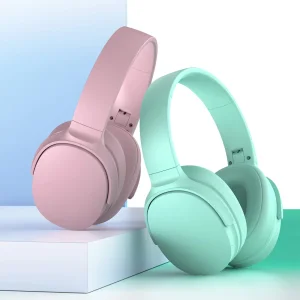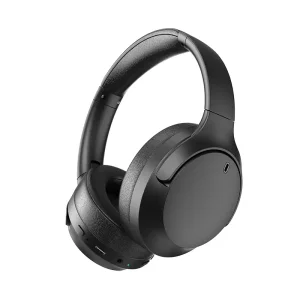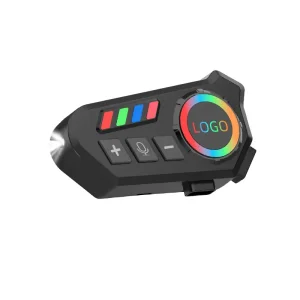
High-Performance OEM ANC & Wireless Hardware

1. Global Industrial & Commercial Status of ANC Acoustic Manufacturing
Active Noise Cancellation (ANC) has evolved from a niche aerospace market feature into a foundational requirement for global consumer, corporate, and industrial audio equipment. Modern B2B procurement directors and private-label brand owners must navigate a highly sophisticated electroacoustic supply chain centered in specialized manufacturing hubs like Shenzhen, China.
The global ANC headphone and earbud export ecosystem is projected to surpass $14.2 Billion USD by 2028, driven by compound annual growth rates (CAGR) exceeding 12.4% in enterprise telecommunications and personal audio.
Modern OEM production lines now deliver ultra-deep, multi-feedforward/feedback hybrid active noise cancellation, achieving broadband attenuation up to -45dB across critical low-to-mid frequencies (50Hz–2000Hz).
Over 88% of the world’s consumer ANC hardware originates from specialized original equipment manufacturers (OEMs) providing full turnkey design, surface-mount technology (SMT), and acoustic engineering.
The OEM Structural Paradigm Shift
Historically, exporting noise-cancelling headphones meant supplying passive acoustic isolation—using high-density memory foam and sealed back-cavities to attenuate high-frequency sound waves mechanically. Today, the role of an OEM ANC Noise Exporter requires deep integration of digital signal processing (DSP), high signal-to-noise ratio (SNR) MEMS microphone arrays, real-time algorithms, and custom Bluetooth chipsets (e.g., Qualcomm, Bestechnic, Realtek). Exporters now act as comprehensive solution architects rather than simple assembly factories.
2. Technology Roadmap & Electroacoustic Engineering Trends
Next-generation OEM/ODM manufacturing leverages artificial intelligence at the edge, neural network processing, and advanced physical acoustic cavity designs. Below is the multi-year technical roadmap defining top-tier ANC exporting practices.
Adaptive AI & Neural Network ANC (A-ANC)
Moving beyond static ANC filters, 2025+ OEM architectures integrate AI-driven Neural Processing Units (NPUs) into the Bluetooth System-on-Chip (SoC). These processors analyze ambient acoustic profiles 48,000 times per second, dynamically matching filter curves to cancel transient background noises—such as sudden jet engine spools, office chatter, or wind turbulence—without introducing vacuum-like eardrum pressure.
Dual-Core Hybrid Mic Topography & ENC
Premier exporters utilize a 4-to-6 microphone setup per headset. Feedforward microphones capture external environmental sounds, while Feedback microphones monitor acoustic output inside the ear canal. Concurrently, Environmental Noise Cancellation (ENC) beamforming algorithms filter outgoing voice communications, achieving crystal-clear telephony even in 80dB stormy or industrial surroundings.
Bluetooth 5.4, LE Audio & LC3 Codecs
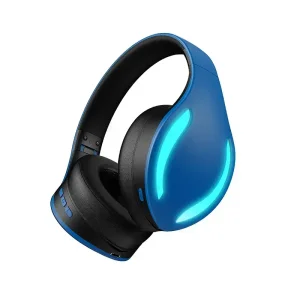
Export models are transitioning to Bluetooth 5.4 specifications supporting Low Energy (LE) Audio and the Low Complexity Communication Codec (LC3). This offers lower latency (<20ms for gaming headsets), extended battery longevity (up to 75 hours of continuous ANC operation), and multi-stream spatial audio capabilities required by modern immersive gaming and VR setups.
Open-Wearable Stereo (OWS) & Bone Conduction ANC
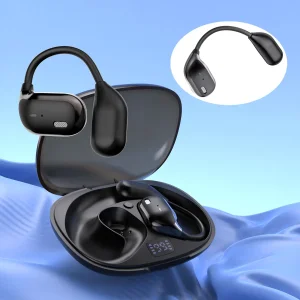
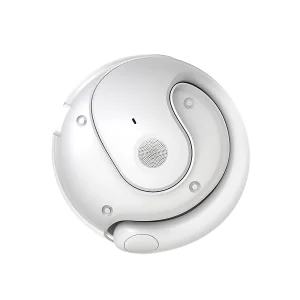
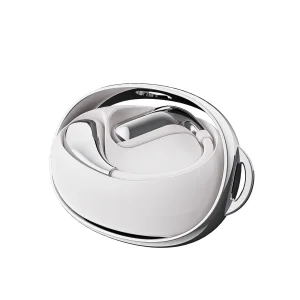
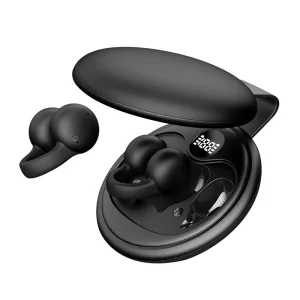
A key growth trend is non-in-ear open audio technology. Exporters now engineer air conduction, bone conduction, and sports ear-hook designs with specialized directional soundwave algorithms and inverse phase cancelation to prevent sound leakage while maintaining situational awareness for urban runners, cyclists, and industrial personnel.
Comparative Electroacoustic Architecture Matrix
| ANC Architecture | Mic Configuration | Noise Reduction Depth | Frequency Bandwidth | Target B2B Application |
|---|---|---|---|---|
| Feedforward ANC | 1 External Mic / Ear | -20dB to -25dB | 100Hz – 800Hz | Entry-Level Consumer / Promotional Audio |
| Feedback ANC | 1 Internal Mic / Ear | -22dB to -28dB | 50Hz – 500Hz | Budget Office Headsets & In-Ear Pods |
| Hybrid Dual-Core ANC | 2 Mics (Feedforward + Feedback) | -35dB to -45dB | 20Hz – 2000Hz | Premium Consumer Over-Ear & Aviation |
| Adaptive AI Dual-Engine | 3+ Mics + DSP NPU Array | -40dB to -50dB Dynamic | 20Hz – 5000Hz Dynamic | Enterprise Unified Communications & Flagship ANC |
3. Localized Application Scenarios & Global Intent Deployment
A successful OEM ANC Exporter must offer specialized hardware configurations tuned to distinct regional lifestyle habits, regulatory frameworks, and enterprise environments across North America, Europe, Asia-Pacific, and Latin America.
High-Density Transit & Aviation Commuting
Engineered specifically for urban subways, high-speed rail networks, and long-haul flights. Primary focus lies on isolating low-frequency rumble (50Hz–300Hz) while featuring multi-level "Transparency / Ambient Modes" activated via touch control, allowing commuters to hear station announcements without removing their headsets.
Open-Plan Workspaces & Unified Communications (UC)
Designed for corporate offices and remote work environments. These models incorporate AI-ENC microphone arrays to eliminate keyboard clicking, background office chatter, and domestic background noise during Zoom, Microsoft Teams, and Google Meet video conferences.
Extreme Sports, Cycling & Helmet Integration
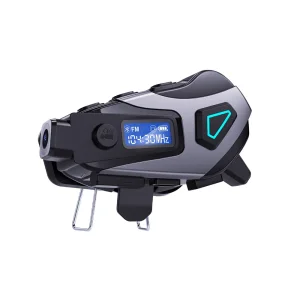
Specialized Bluetooth headsets customized for motorcycle riders, cyclists, and outdoor enthusiasts. Form factors feature physical wind-deflecting micro-cavities, IPX6/IPX7 water-resistant nano-coated PCBs, and secure silicone ear-hooks or helmet-mounted bracket assemblies.
4. OEM/ODM Engineering Workflow, Quality Assurance & Compliance
A reliable Chinese OEM manufacturer maintains stringent ISO 9001 and BSCI-audited production workflows, turning private-label brand concepts into fully certified, retail-ready audio lines.
Acoustic Cavity Simulation
Engineers utilize COMSOL Multiphysics and Audio Precision APx555 analyzers to model acoustic chamber resonances, speaker driver diaphragm displacement, and microphone cavity sealing before opening physical injection molds.
Firmware & DSP Tuning
Customization of ANC filter coefficient gain curves, custom EQ sound signatures (Heavy Bass, Balanced Hi-Fi, Voice Clarity), Bluetooth pairing IDs, customized voice prompts, and companion Android/iOS app integration.
Precision SMT & Mass Assembly
Surface Mount Technology (SMT) lines place Bluetooth chips and MEMS sensors onto multi-layer PCBs. Dust-free cleanrooms host final electroacoustic assembly, driver matching within ±1dB, and laser etching of logos.
Global Compliance & Quality
100% automated acoustic curve testing via artificial ear/head simulators (IEC 60318-4). Full international export certification: CE, FCC, RoHS, REACH, TELEC, Anatel, and UN38.3 battery transport safety documentation.
5. Macro Industry Solutions for Audio Importers & Brands
Standardizing your audio product portfolio requires tailoring product platforms to specialized industry verticals. OEM partners provide specialized turnkey solutions:
B2B Corporate & Call Center Solutions
- Integrated boom microphones with ultra-wideband ENC for customer support hubs.
- Multipoint Bluetooth pairing allowing seamless switching between desk phones and laptops.
- Long-lasting 50+ hour battery packs designed for uninterrupted 8-hour shift operations.
Audiophile & Consumer Electronics Retail Platforms
- Hi-Res Wireless Audio certification with 40mm titanium diaphragm dynamic drivers.
- Hybrid ANC with companion smartphone app for customized touch settings and dynamic EQ.
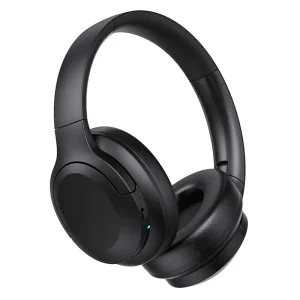
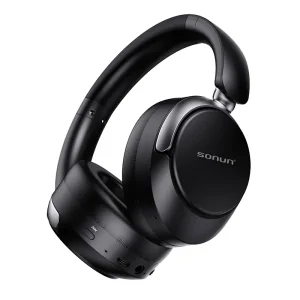
- Premium materials: Protein leather memory foam ear cushions, brushed aluminum sliders, and foldable structures.
6. Sourcing & Technical FAQ for Importers and Procurement Directors
Key questions answered by electroacoustic specialists regarding factory verification, technology selection, and manufacturing risks.
- European Union (EU): CE-RED (Radio Equipment Directive), RoHS chemical compliance, REACH, and EN 50332 acoustic safety testing.
- North America (US/Canada): FCC Part 15B/15C ID certification for Bluetooth spectrum safety and IC (Industry Canada) standards.
- Global Logistics: UN38.3, MSDS, and Air/Sea Transport Safe Drop Test reports for integrated lithium-polymer batteries.
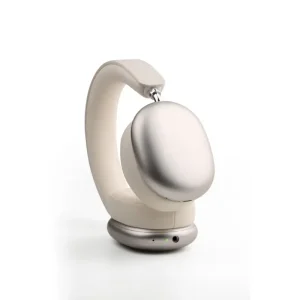
Specialized OEM Audio & Smart Wearable Solutions