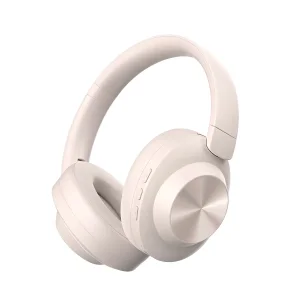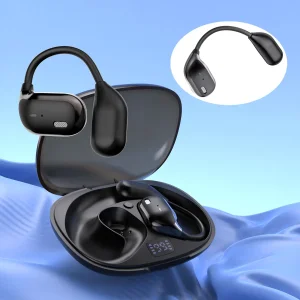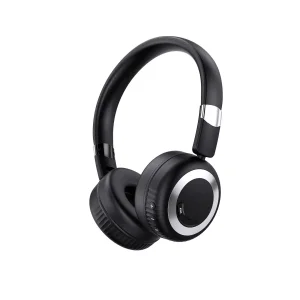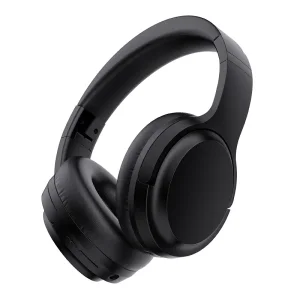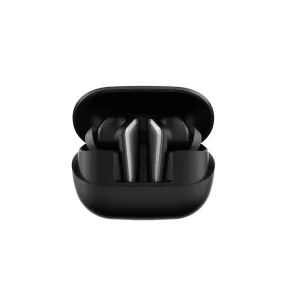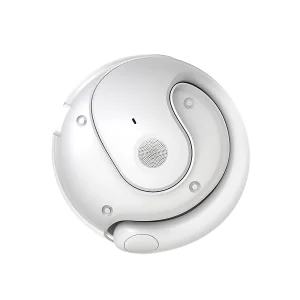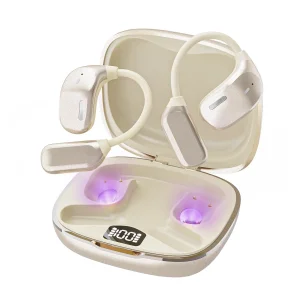
Industrial Grade Audio & OEM Earbuds Series
Select from our benchmark acoustic platforms available for private label branding, custom structural tooling, and regional audio certification compliance.
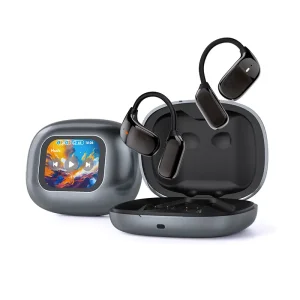
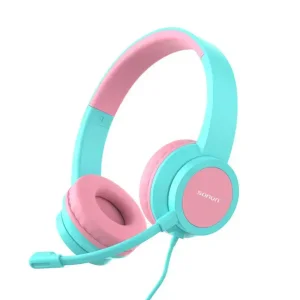
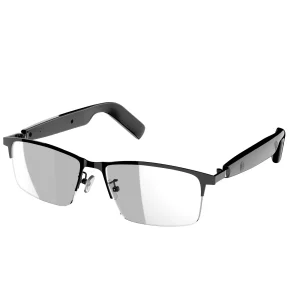
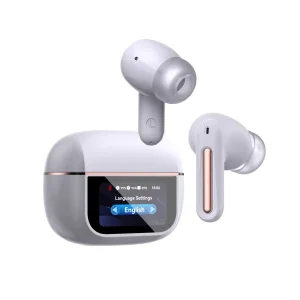
Global Commercial & Industrial Landscape of Wired Noise-Cancelling Earbuds
In an era dominated by True Wireless Stereo (TWS) consumer marketing, enterprise buyers, educational institutions, high-reliability call centers, and audiophile brands are accelerating procurement toward wired noise-cancelling earbuds. The global market for high-performance OEM wired earbuds with integrated Active Noise Cancellation (ANC) and passive isolation geometry is experiencing a structural resurgence. According to industrial audio manufacturing metrics, enterprise-grade wired acoustic solutions represent a multi-billion-dollar global segment, expanding at a CAGR of over 7.2% across North America, Europe, and the Asia-Pacific region.
This market shift is governed by fundamental physics and mission-critical enterprise needs: zero signal latency, battery-free operational longevity, uncompressed digital audio fidelity, and security against RF eavesdropping. While consumer wireless earbuds suffer from RF interference in dense office environments, battery degradation cycles (18–24 months lifespan), and audio compression artifacts (AAC/SBC codec limitations), OEM earbuds wired noise cancelling solutions provide an uncompromised physical conduit for ultra-clear voice communication and high-resolution sound playback.
Zero Latency & Uncompressed Signal
Eliminates the 50ms–200ms latency intrinsic to Bluetooth codecs. Essential for high-stakes BPO call centers, competitive e-sports, audio mixing, and live broadcast monitoring.
Battery-Free Continuous Operation
Direct power draw via 3.5mm or USB Type-C digital interfaces allows 24/7 continuous operation without downtime for recharging or lithium battery thermal decay risks.
Enterprise Hardware Standardization
Plug-and-play compatibility across Windows, macOS, ChromeOS, iOS, Android, and Linux thin clients, bypassing Bluetooth pairing friction and driver incompatibilities.
As leading OEM/ODM exporters operating out of Shenzhen's high-technology manufacturing clusters, specialized audio factories cater to corporate procurement leads who demand custom acoustic tuning, specialized cable jack durability (reinforced strain reliefs, Kevlar-braided wiring), and certified environmental compliance (RoHS 2.0, REACH, WEEE).
Technological Roadmap & Active Noise Cancellation Innovations
Exploring the transition from passive ergonomic acoustic sealing to advanced Type-C DSP active noise cancellation in wired earphone manufacturing.
1. Dual-Engine Noise Cancellation: PNC + ANC Integration
In modern wired noise-cancelling earbud engineering, attenuation is achieved through a two-stage acoustic workflow: Passive Noise Isolation (PNC) and Active Noise Cancellation (ANC).
- Passive Noise Isolation (PNC): Achieved by precision mold design of ergonomic acoustic nozzles, multi-flange silicone tips, and high-density memory foam ear cushions. PNC targets high-frequency noise (1 kHz to 8 kHz), attenuating ambient sound by -15dB to -25dB purely through mechanical sealing.
- Active Noise Cancellation (ANC): Employs external-facing Feedforward MEMS microphones and internal Feedback MEMS microphones. The acoustic DSP processor calculates phase-inverted anti-noise soundwaves (180° phase inversion) in real-time, cancelling low-frequency ambient noise (20 Hz to 1 kHz) such as HVAC humming, jet engine noise, and industrial machinery rumble up to -45dB.
2. USB Type-C Digital Audio Processing & High-Resolution DAC Integration
The legacy 3.5mm AUX connector relied entirely on the host device's internal analog digital-to-analog converter (DAC). Modern enterprise OEM earbuds utilize digital Type-C interfaces integrated with high-performance 24-bit/96kHz or 32-bit/384kHz audio bridge ICs (e.g., Realtek, BES, Synaptics/Conexant chipsets).
| Technical Dimension | Legacy 3.5mm Analog Earbuds | Next-Gen Type-C Digital ANC Earbuds | Enterprise Benefit |
|---|---|---|---|
| Signal Processing | Host device dependent analog pass-through | On-board DSP + DAC / ADC System-on-Chip (SoC) | Consistent acoustic signature across all host devices |
| Power Architecture | Passive dynamic driver only (no native ANC) | Bus-powered VBUS draw from host (minimal 3.3V power draw) | Continuous ANC operation without external batteries |
| Microphone SNR | Standard ECM mic (-38dB sensitivity) | Dual/Triple MEMS mic array with ENC DSP noise reduction | Crystal clear call center & video conference voice pickup |
| Cable Engineering | Standard OFC copper wire (2-core / 4-core) | High-purity Oxygen-Free Copper + Kevlar fiber wrap + TPE jacket | 10,000+ bend test flex lifespan; zero microphonics |
| Audio Latency | 0.0 ms (Analog Direct) | < 0.5 ms (Digital DSP latency) | Real-time synchronization for transcription & voice AI |
3. Micro-Driver Diaphragm Physics & Acoustic Tuning Curves
Achieving deep noise cancellation while preserving audiophile-grade bass response and pristine high-frequency detail requires meticulous speaker dynamic driver engineering. OEM factories utilize dynamic drivers ranging from 6mm to 14.2mm in diameter, featuring advanced diaphragm substrates:
- Beryllium-Coated Polyethylene Naphthalate (PEN): Provides maximum stiffness-to-density ratio, eliminating high-frequency harmonic distortion during intense ANC phase inversion.
- Titanium-Dome Composite Diaphragms: Delivers crisp vocal clarity (1kHz-4kHz) and punchy deep sub-bass (20Hz-100Hz), complying with the industry-standard Harman Target Curve.
- Dual Magnetic Structure (N52 Neodymium): Maximizes flux density (exceeding 1.2 Tesla), allowing rapid driver response required for precise active noise cancelling waveform reproduction.
Factory Testing Standards & Quality Control Systems
Providing complete transparency into our Shenzhen acoustic laboratory workflows, quality inspection procedures, and international compliance certifications.
IEC 60268 Acoustic Measurement Calibration
Every production batch of wired noise-cancelling earbuds undergoes automated testing using SoundCheck® and AP (Audio Precision®) analyzer rigs inside fully anechoic test chambers. Drivers are calibrated to ensure channel balance within ±1dB, THD (Total Harmonic Distortion) < 1% at 1kHz 94dB SPL, and frequency response matching against the buyer's target curve specifications.
Environmental & Mechanical Reliability Testing
B2B buyers require physical durability to prevent return rate spikes. Our standardized lab testing includes cable bend testing (minimum 10,000 cycles under 200g load), jack insertion durability (5,000+ mating cycles), salt spray corrosion resistance (48 hours for metal acoustic housings), thermal shock resistance (-20°C to +60°C), and drop testing from 1.5 meters onto hard concrete.
End-to-End OEM/ODM Quality Control Flowchart
Our ISO9001:2015 certified production lines in Shenzhen implement a strict 4-stage quality management framework to safeguard brand integrity for global exporters and importers:
- IQC (Incoming Quality Control): 100% inspection of MEMS microphones, DAC chipsets, copper wire reels, dynamic driver units, and silicone raw materials.
- IPQC (In-Process Quality Control): Automated soldering inspection, micro-acoustic sealing testing, and laser alignment of acoustic dampeners during assembly.
- FQC (Final Quality Control): 100% full-function acoustic sweep test, active noise cancellation attenuation check in simulated background noise chambers, and mic noise-suppression evaluation.
- OQC (Outgoing Quality Control): AQL 1.0/2.5 statistical sampling, packaging drop verification, barcode scan accuracy, and compliance documentation audits prior to container sealing.
Localized Application Scenarios & Enterprise Vertical Solutions
Tailored OEM product configurations designed to address specific environmental requirements across commercial verticals.
Call Centers & BPO Operations
High-density customer support hubs require wired Type-C earbuds with ENC microphone noise suppression to isolate agent voices from adjacent background conversations while ensuring 24/7 reliability without battery charging cycles.
K-12 Education & Standardized Testing
Educational institutions demand standardized wired earbuds with volume-limiting acoustic safety caps (85dB SPL protection for young ears) to comply with WHO hearing standards during computerized language examinations.
Commercial Travel & Aviation Fleet
Airlines and long-haul rail operators require passenger-grade wired ANC earbuds that cancel engine drone while featuring custom dual-pin flight adapter dongles and hygienic silicone tip bulk packaging.
E-Sports & Mobile Gaming
Professional mobile gamers depend on zero-latency 3.5mm and Type-C wired in-ear monitors (IEMs) with multi-driver hybrid setups (1 Dynamic + 1 Balanced Armature) for sub-millisecond directional audio positioning.
Corporate Gift & Tech Retail Brands
Consumer electronics brands seeking high-margin private-label merchandise benefit from custom anodic aluminum housing finishes, laser-engraved logos, and eco-friendly retail gift box packaging.
Studio Monitoring & Audio Professionals
Sound engineers require linear frequency response curves, high-grade oxygen-free copper (OFC) detachable MMCX braided wiring, and sound isolation upwards of 30dB without digital DSP coloration.
Macro B2B Customization Framework & OEM Workflow
From conceptual industrial design sketches to rapid rapid 3D prototyping, custom tooling mold creation, and mass shipment fulfillment.
Step-by-Step OEM/ODM Procurement Roadmap
Partnering with an established Shenzhen headphone factory ensures predictable lead times and rigid engineering control. Below is our standardized 6-phase engineering workflow for customized wired noise-cancelling earbud programs:
Acoustic Brief & Target Curve Approval
Buyer specifies connector requirements (3.5mm CTIA/OMTP, USB Type-C, Lightning), target noise reduction attenuation (e.g., -30dB ANC), cable length (1.2m to 2.5m), and sound preference profile (Harman target, balanced studio response, or bass-enhanced).
3D CAD Modeling & Rapid Tooling
Our structural engineering team produces 3D CAD models, ergonomic ear-canal simulations, and SLA rapid prototypes within 5 business days. Upon approval, steel injection mold tooling is executed (25-30 day lead time).
Type-C DAC & ANC Firmware Tuning
For digital Type-C ANC models, our firmware engineers program the onboard DSP for custom EQ profiles, mic ENC gain parameters, hardware button mapping (volume, mute, call accept), and host device handshake protocol compatibility.
Physical Golden Sample Sign-Off
Factory produces pre-production golden samples with final CMYK retail packaging, customized silk-screen/laser logos, and Pantone color-matched silicone ear tips for formal client sign-off before mass assembly.
Material Customization Options for Enterprise Buyers
Enterprise clients can customize every tactile and acoustic component across our production line:
- Housing Materials: Precision CNC Aluminum Alloy, Ceramic, PC-ABS high-impact polymer, or eco-friendly Recycled ABS plastics (GRS Certified).
- Cable Sheathing Options: Thermoplastic Elastomer (TPE), Braided Nylon jacket, High-Flex Kevlar reinforced cabling, or Medical-grade TPU (UV-resistant & anti-tangle).
- Silicone Tip Ergonomics: Single-flange, Double-flange, Conical, and Slow-rebound Memory Foam tips in XS, S, M, L, XL sizes.
Frequently Asked Questions by OEM & B2B Buyers
Detailed technical and commercial answers addressing key questions on minimum order quantities, compliance certification, DAC selection, and ANC depth.
What is the difference between active noise cancellation (ANC) and passive noise isolation in wired earbuds?
How do wired Type-C ANC earbuds draw power without an internal battery?
What is the standard Minimum Order Quantity (MOQ) for custom OEM wired earbud projects?
Which international regulatory and environmental certifications do your wired earphones carry?
Why is digital Type-C preferred over 3.5mm analog connectors for enterprise call center deployments?
What custom cable options are available to prevent cable failure and microphonics?
Additional OEM & ODM Audio Equipment Solutions
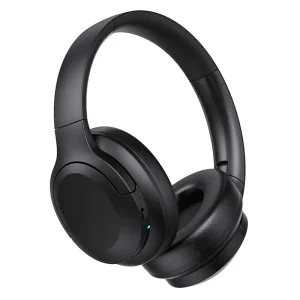
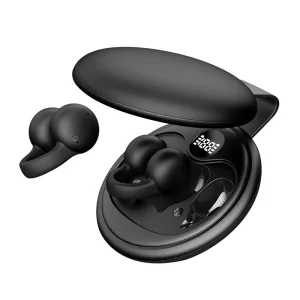
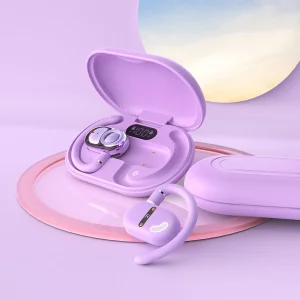
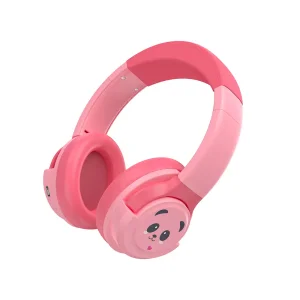
Explore our full exporter line of over-ear ANC headsets, open-ear sport wearables, children's safety volume headphones, and UV-sterilization TWS systems.