Top Rated Wireless Earphones & Headsets Catalog
Direct-from-factory private-label wireless audio solutions pre-certified for global market distribution.
1. Global Wireless Audio Market Landscape & OEM Engineering Dynamics (2025–2030)
The global wireless earphone market has completed a major shift from basic wire-free connectivity to complex, software-defined acoustic platforms. As brands compete for market share across consumer electronics, corporate enterprise communications, sports mobility, and specialized pediatric audio, the role of the Original Equipment Manufacturer (OEM) and Original Design Manufacturer (ODM) has changed dramatically. Sourcing teams no longer just look for cheap assembly; they require integrated acoustic engineering, custom Bluetooth System-on-Chip (SoC) firmware development, and rapid scalability.
Driven by advancements in Bluetooth 5.4 / 5.5 protocols, Bluetooth LE Audio (Low Energy Audio), LC3 Codec integration, and AI-driven Environmental Noise Cancellation (ENC), modern earphones are smart, connected processing units. For global procurement officers, brand owners, and supply chain directors, choosing an OEM partner in China requires a deep understanding of hardware architectures, chipset platforms, thermal dynamics, and strict quality assurance metrics.
Information Gain Insight: The SoC Matrix in B2B Sourcing
The profitability and return-merchandise-authorization (RMA) rates of a private-label wireless earphone line depend heavily on the underlying SoC platform. Understanding the balance between cost, Active Noise Cancellation (ANC) depth, power efficiency, and latency across primary silicon vendors is essential for writing profitable RFQs (Request for Quotations).
| Silicon Vendor / Platform | Target Tier | ANC Performance (dB) | Latency Benchmark | Key OEM Application Scenarios |
|---|---|---|---|---|
| Qualcomm (QCC30xx / QCC51xx) | Premium flagship | Hybrid ANC up to -45dB | Ultra-Low (<29ms via Snapdragon Sound) | Enterprise UC, Hi-Res Audio TWS, Audiophile Wireless Over-Ear |
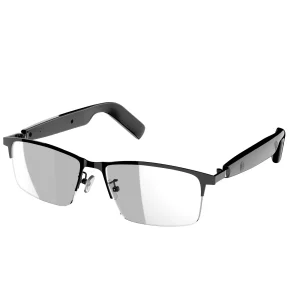
| Bestechnic (BES2600 / BES2700) | High-End to Mid-Tier | Adaptive ANC (-38dB to -42dB) | Low Latency (~40ms) | Open Wearable Stereo (OWS), AI Language Translation Earbuds, Smart Glasses |
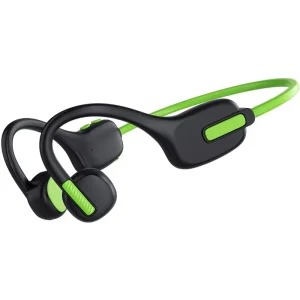
| Airoha / MediaTek (AB156x / AB158x) | Mid-Tier Value Champion | Feedforward/Feedback (-35dB) | Standard to Low (~50ms) | Mass Market ANC TWS, Sports Air Conduction, Kids Safe Listening Wireless |
| Realtek (RTL877x Series) | Commercial & Entry-Mid | Single-Mic Feedforward (-28dB) | Standard (~70ms) | High-Volume Promotional Audio, Basic True Wireless, Work-from-Home Headsets |
| Jieli (JL700x / JL698x) | Cost-Optimized / High Volume | Software ENC / Basic Passive | Standard (~80ms–100ms) | Budget TWS, Kids Wired/Wireless Combos, Novelty Form Factor Earphones |
2. China's Greater Bay Area Cluster: The Unmatched OEM Ecosystem Advantage
Shenzhen and Dongguan remain the world's epicenter for consumer audio acoustics, controlling over 85% of global wireless earphone manufacturing. This concentration offers global audio brands advantages that extend far beyond labor costs:
Unrivaled Component Density
Within a 30-kilometer radius, factories have immediate access to micro-acoustic driver makers, MEMS microphone suppliers, precision mold makers, lithium-ion battery packagers, and Surface Mount Technology (SMT) lines. This density cuts prototype iteration times from months to days.
Acoustic Calibration & Testing
Top-tier Chinese OEM facilities operate full Anechoic Chambers, Klippel Driver Analyzers, and Audio Precision (APx555) acoustic analysis setups directly on site. This ensures every batch meets target frequency response curves (such as Harman Target or custom brand EQs).
Aggressive BOM Cost Control
Direct supply contracts with battery cell manufacturers and silicon fabs allow Chinese factories to optimize the Bill of Materials (BOM). Brands can reallocate margins toward retail packaging, software app integration, or market expansion.
3. Technical Trends Reshaping Next-Generation Wireless Audio Form Factors
Building a top-rated wireless earphone product line requires selecting features that balance battery life, user comfort, and acoustic clarity. Current OEM projects focus heavily on four major architectural innovations:
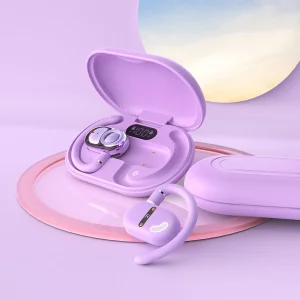
Open Wearable Stereo (OWS) & Directional Sound
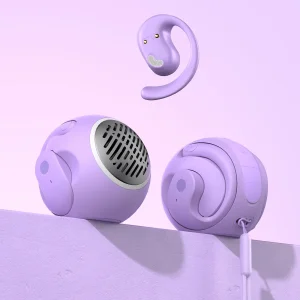
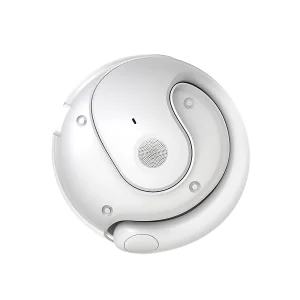
OWS is growing faster than traditional in-ear TWS. By using custom-designed air conduction drivers and beamforming soundguide structures, OWS channels audio straight into the ear canal without plugging it. Reverse sound wave cancelation algorithms reduce audio leakage by over 85%, offering situational awareness for active lifestyle users.
AI Translation & On-Chip Neural Processing
The integration of ultra-low-power NPU blocks inside Bluetooth SoCs enables real-time, bi-directional language translation (supporting up to 135 languages via dedicated mobile apps). OEM products now run low-latency voice detection directly on the headset, opening up new opportunities for business travelers and global retail channels.
Hygiene & Wellness: Integrated UV-C Sterilization
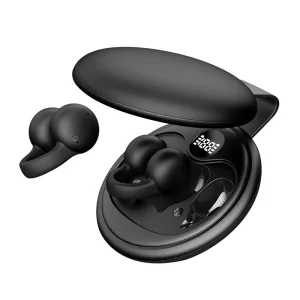
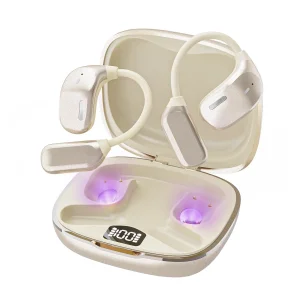
For health-conscious consumers and medical channels, earbuds feature integrated UV-C LED diodes within the charging case. These automatically run a 3-minute sterilization cycle when docked, killing 99.9% of bacteria (such as E. coli and Staphylococcus aureus) on the silicone ear tips and speaker mesh.
4. Micro & Macro Application Scenarios: Vertical OEM Solutions
Generic audio solutions struggle to stand out in saturated markets. Successful buyers work with OEM engineering teams to tailor products for specific user scenarios:
A. Enterprise & Unified Communications (UC)
Primary Requirements: Multi-mic Environmental Noise Cancellation (ENC) with deep neural network (DNN) voice separation, dual Bluetooth device connectivity (Multipoint), and extended battery life (10+ hours of continuous talk time).
OEM Solution: Over-Ear or in-ear form factors powered by Qualcomm/BES chipsets with physical boom mics or 4-mic beamforming arrays calibrated specifically to isolate human speech frequencies (300Hz–3.4kHz) while suppressing ambient office and keyboard noise.
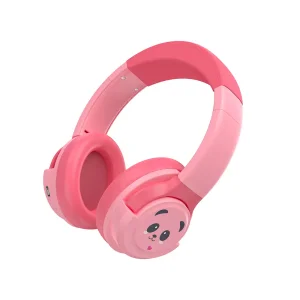
B. Pediatric Audio & Educational Compliance
Primary Requirements: Strict volume limiting to prevent hearing damage, durable eco-friendly non-toxic materials, and comfortable ergonomic fits for long study sessions.
OEM Solution: Dedicated kids' headphones featuring hardware-based volume limiters capped at 85dB (compliant with World Health Organization guidelines) or a selectable 94dB mode for noisy environments like airplanes. Built with food-grade silicone, flexible BPA-free plastics, and anti-strangulation audio cords or safe wireless links.
C. Competitive Gaming & Low Latency Ecosystems
Primary Requirements: Sub-30ms audio-to-video latency, spatial sound positioning, clear team chat mic clarity, and custom RGB lighting setups.
OEM Solution: Gaming wireless earbuds equipped with dual-mode 2.4GHz ultra-low latency USB-C dongles alongside Bluetooth 5.4. Custom firmware tuning emphasizes footsteps, weapon reloads, and directional cues, supported by touch-controlled low-latency gaming modes.
5. Strategic Sourcing Guide & Factory Pricelist Benchmarks (FOB Shenzhen)
To help brand procurement teams budget effectively, the table below provides benchmark FOB Shenzhen factory unit pricing, minimum order quantities (MOQ), customization lead times, and regulatory compliance standards across key categories:
| Product Architecture Tier | Est. FOB Unit Cost (USD) | Standard OEM MOQ | Sample Lead Time | Primary Compliance & Certifications |
|---|---|---|---|---|
| Entry TWS / Basic Wireless Earbuds | $3.80 – $6.50 | 2,000 Pairs | 3 – 5 Days | CE-RED, FCC, RoHS, REACH, UN38.3 (Battery) |
| Mid-Tier Hybrid ANC In-Ear TWS | $11.50 – $18.00 | 1,000 Pairs | 5 – 7 Days | CE, FCC ID, Telec (Japan), BIS (India), KC (Korea) |
| Open Wearable Stereo (OWS) / Air Conduction | $12.80 – $22.50 | 1,000 Pairs | 7 Days | CE, FCC, RoHS, IPX5 Waterproof Rating Reports |
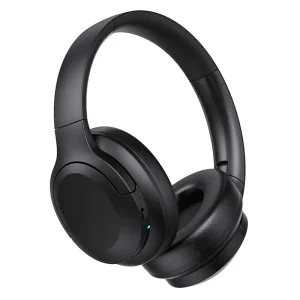
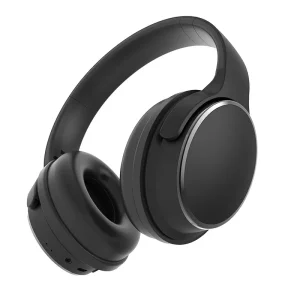
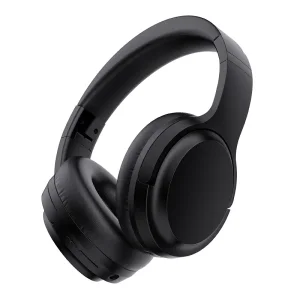
| Over-Ear Active Noise Cancelling Headsets | $16.50 – $32.00 | 1,000 Units | 7 – 10 Days | CE-RED, FCC, RoHS, REACH, Prop 65 (California) |
| AI Language Translation Smart Earbuds | $24.00 – $45.00 | 500 Pairs | 7 – 10 Days | CE, FCC, Software Security Audit, UN38.3 |
| Pediatric Safe Volume Headphones (Wired/BT) | $4.20 – $9.80 | 2,000 Units | 5 Days | EN71 (Child Safety), CPSIA, ASTM F963, Safe Sound 85dB |
*Note: Exact unit pricing varies based on custom tooling requests, specific Bluetooth SoC selections, premium acoustic driver upgrades (e.g., Titanium/Beryllium diaphragms), specialized packaging finishes, and destination country certification needs.
6. Factory Audit Protocol & Quality Control Assurance Framework
A reliable OEM partnership relies on strict quality control workflows at every phase of production. Professional manufacturing facilities follow an end-to-end quality framework before releasing bulk shipments:
1. Incoming Quality Control (IQC)
Every component is tested upon arrival. Chips are checked for functional stability, battery cells undergo 100% capacity grading and internal resistance testing, and plastic housings undergo color-matching tests under standardized D65 light booths.
2. In-Process Quality Control (IPQC)
During SMT circuit assembly and shell fitting, automated optical inspection (AOI) machines verify solder joint accuracy. Audio Precision software tests drivers to ensure frequency response curves match golden sample standards within strict tolerances (±1.5dB).
3. Final QA & Environmental Testing
Completed earphones go through environmental stress testing: tumble/drop tests (1.2m drop onto hardwood), button actuation cycle tests (50,000+ presses), thermal shock testing (-20°C to +60°C), and salt spray corrosion testing for sweatproof IPX ratings.
Frequently Asked Questions for B2B Procurement
Clear answers to common questions about factory operations, branding customization, sample turnaround, and compliance documentation.
What is the typical lead time for custom private-label OEM orders?
How do China factories manage acoustic quality consistency across large production runs?
Can we customize Bluetooth firmware, voice prompts, and companion mobile apps?
What compliance certifications are mandatory for importing wireless earphones into the US and EU?
How are product defect claims and warranty RMA returns handled for overseas buyers?
What is the difference between active noise cancellation (ANC) and environmental noise cancellation (ENC)?
Additional Factory-Direct Audio Models
Explore more high-performance OEM/ODM form factors for specialty markets, pediatric applications, and sports wear.